Feline
noun and adjective (n. / adj.)
Definition
A feline is a digitigrade carnivorous mammal of the family Felidae within the suborder Feliformia. As of 2025, 41 living feline species are recognized, including the lion, tiger, leopard, jaguar, cheetah, lynxes, cougar, and cats. The best-known feline, which has become a domestic animal, is the domestic cat.
Feline vocalizations include hissing, roaring, and meowing, in addition to purring. Only big cats are capable of roaring.
The wildcat is a feline:

Felis silvestris grampia (Scottish wildcat) is a typical feline with its rounded head, dense gray, beige-brown, and black fur, and long whiskers.
Explanations
With the exception of Antarctica, Australia, New Zealand, Madagascar, Japan, and most oceanic islands, native populations of felines occur worldwide, and one species, the domestic cat, has been introduced almost everywhere humans currently live. Although some authorities recognize only a few genera, most classifications of Felidae recognize 14 genera and 41 species (and numerous subspecies, taxonomy valid as of October 2023). Apart from the largest cats, most are skilled climbers and many are proficient swimmers. Most felines are solitary (with the notable exception of the lion, which lives in prides).
Felines are arguably the most morphologically specialized hunters of all carnivores, frequently taking prey as large as themselves and occasionally several times their own size. Unlike other carnivores, felines rely almost exclusively on prey they have killed themselves. They are agile hunters, primarily nocturnal, with a diet consisting of fresh meat or carrion. Felines inhabit all terrestrial environments except treeless tundra and polar ice caps.
List of felines
Felines are often divided into two distinct subgroups: big cats and small cats. Generally, small cats are those unable to roar due to ossification of the hyoid bone.
The family Felidae comprises 2 subfamilies:
✅ Taxonomic revisions regularly shift ranks from species to subspecies or vice versa (list above compiled in October 2023):
- following lengthy taxonomic debate, the Iriomote cat is now treated as an island subspecies of the leopard cat under the taxon Prionailurus bengalensis iriomotensis rather than a distinct species (formerly Prionailurus iriomotensis)
- the Chinese mountain cat, formerly a subspecies (Felis silvestris bieti) of the wildcat, has been elevated to full species status (Felis bieti)
- members of Felis lybica were considered subspecies of the wildcat (Felis silvestris) until a systematic revision in 2017 granted them species status
- the genus Leopardus, particularly what is currently treated as the L. colocolo species complex, may undergo substantial revision, expanding the genus from 8 to 13 species
The family Felidae:

The family Felidae encompasses all extant felines.
✅ Natural hybrids occur between species. For instance, variably colored cats of the Malay Peninsula may be hybrids between the mainland leopard cat (P. bengalensis) and the Sunda leopard cat (P. javanensis).
⭐ The last common ancestor of all modern felines is the extinct genus Pseudaelurus, which lived in Eurasia and North America during the Miocene more than 7.3 million years ago.
Sexing a small feline
To determine the sex of a small feline, such as a kitten, begin by gently lifting its tail to examine the genital region underneath. In male kittens, two small swellings (testicles) are typically visible beneath the anus, along with a wider space between the anus and the urethral opening. In females, these swellings are absent and the distance between the anus and the vaginal opening is shorter.
Consulting a veterinarian can also help ensure reliable sex determination, especially if the kitten is very young and anatomical differences are subtle.
Origin
Early cat-like feliform mammals appeared during the Eocene, and convergent saber-toothed lineages (Nimravidae and Barbourofelidae) culminated in Barbourofelis fricki during the Miocene. However, the phylogeny of these false saber-toothed cats remains debated, and these families went extinct after the Miocene.
True felines (Felidae) first emerged in the early Oligocene, and although the earliest ancestors of modern felids had short upper canines, certain Miocene and Pliocene feline radiations, such as Smilodon, specialized in hunting large herbivores and evolved elongated, saber-like upper canines.
Early felids were divided into two subfamilies: Machairodontinae (saber-toothed cats) and Felinae (conical-toothed cats). The numerous saber-toothed genera are grouped into three tribes (Metailurini, Homotheriini, and Smilodontini). Living and extinct conical-toothed cats are placed within the subfamily Felinae and tribe Felini, though generic classification remains debated. Modern cats are closely related to hyenas, mongooses, and civets; these families, along with Eupleridae and Nandiniidae, belong to the suborder Feliformia.
Habitat
Felines occupy all terrestrial habitats except treeless tundra and polar ice regions. Most species are habitat generalists found across a wide variety of environments, though a few are specialized for restricted habitats. For example, the optimal habitat of the sand cat (Felis margarita) consists of sandy and stony deserts. Domestic cats (Felis catus) are ubiquitous worldwide and particularly abundant in urban and suburban areas.
Synonyms, antonyms
French translation:
félinSpanish translation: felino
3 synonyms (similar meaning) for "feline":
0 antonyms (opposite meaning).
Related words and expressions to FELINE are directly connected by general or specific meaning.
The word FELINE is listed on page 1 of words starting with F in the dictionary glossary.
Related to "feline"
cat

The cat (female cat, kitten) is a small feline (species Felis catus) with solitary habits, a carnivorous mammal with soft fur, a short muzzle, and retractable...
fabrication

Fabrication is the act or process of making, constructing, or inventing something. The manufacturing or fabrication process, whether artisanal or industrial...
famine

Famine is prolonged hunger with acute undernutrition or malnutrition of a population in a region (country).
fang
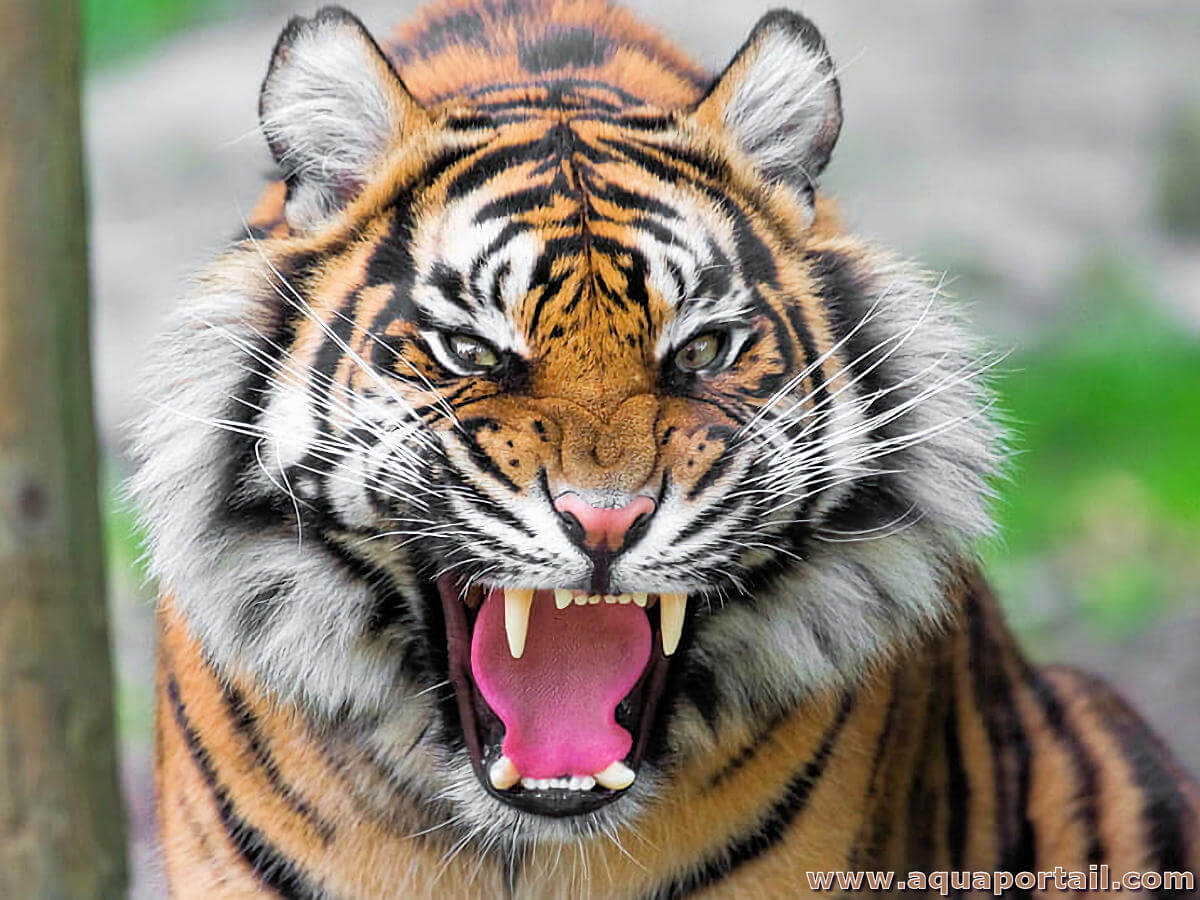
A fang is a long, pointed, and curved tooth. All animals equipped with fangs use them to bite. Whereas in mammals the upper-jaw fangs (called canines)...
Simple summary
A feline is a member of the family Felidae, which includes domestic and wild cats, lions, tigers, and related species. These animals are generally characterized by an agile body, retractable claws, and sharp teeth adapted for hunting and an obligate carnivorous diet. The term can also refer to cat-like traits or behaviors such as grace and independence.
