Antarctica
proper noun
Definition
Antarctica, at the geographical opposite of the Arctic, is the southernmost continent on Earth, surrounded by an ocean. It includes the South Pole and is located at the center of the Southern Ocean (the zone beyond 66.6° south latitude), with which it is often colloquially identified.
Map of the Antarctic Ocean with its continent:

Antarctica viewed from the South Pole encompasses a terrestrial continent and an ocean with numerous seas. The time zone spans UTC-12 to UTC+12, with UTC+0 at the South Pole.
Explanations
Antarctica, sometimes called the white continent, covers an area of approximately 14 million km2 (5.4 million sq mi) and is almost entirely covered by the Antarctic ice sheet.
Since antiquity, the existence of an undiscovered southern continent called Terra Australis ("southern land") had been suspected. With the exploration of the South Pacific, New Zealand, and Australia by Abel Tasman in the 17th century and James Cook in the 18th century, its possible location was narrowed down to the high southern latitudes. However, the sea ice of the Southern Ocean and extreme weather conditions made exploring this region impossible for a long time.
Antarctica is a major part of the Southern Hemisphere, just as the Arctic is a major part of the Northern Hemisphere.
It was not until the end of the 19th century that discoveries showed continental-sized landmasses actually lay within the southern polar region, hence the name Antarctic. The chosen name Antarctica shares the same linguistic root as the Arctic, but in opposition (prefix anti-). "Arctic" comes from the ancient Greek word arktós, for "bear," referring to the constellation Ursa Major (Great Bear). In the Arctic, there is no comparable polar continental landmass.
The dual meaning of the word Antarctic LED to a lack of distinction between region and continent. This criticism was raised, among others, by the German polar explorer and marine biologist Leonid Breitfuß in 1946 in the journal Polar Research. For this reason, the Antarctic Ocean is primarily called the Southern Ocean, while the landmass remains called the Antarctic continent.
Synonyms, antonyms
Spanish translation: Antártida
2 synonyms (similar meaning) for "antarctica":
- Southern Ocean
- white continent
0 antonyms (opposite meaning).
Related words and expressions to ANTARCTICA are directly connected by general or specific meaning.
The word ANTARCTICA is listed on page 1 of words starting with A in the dictionary glossary.
Related to "Antarctica"
abiotic

In biology and ecology, abiotic refers to what is not biotic, that is, not part of living beings.
aboral

Aboral refers to what is situated away from or opposite the mouth in zoology, and especially in marine biology.
absence

Absence refers to non-presence at an expected location, or the complete non-existence of something.
acetyltransferase
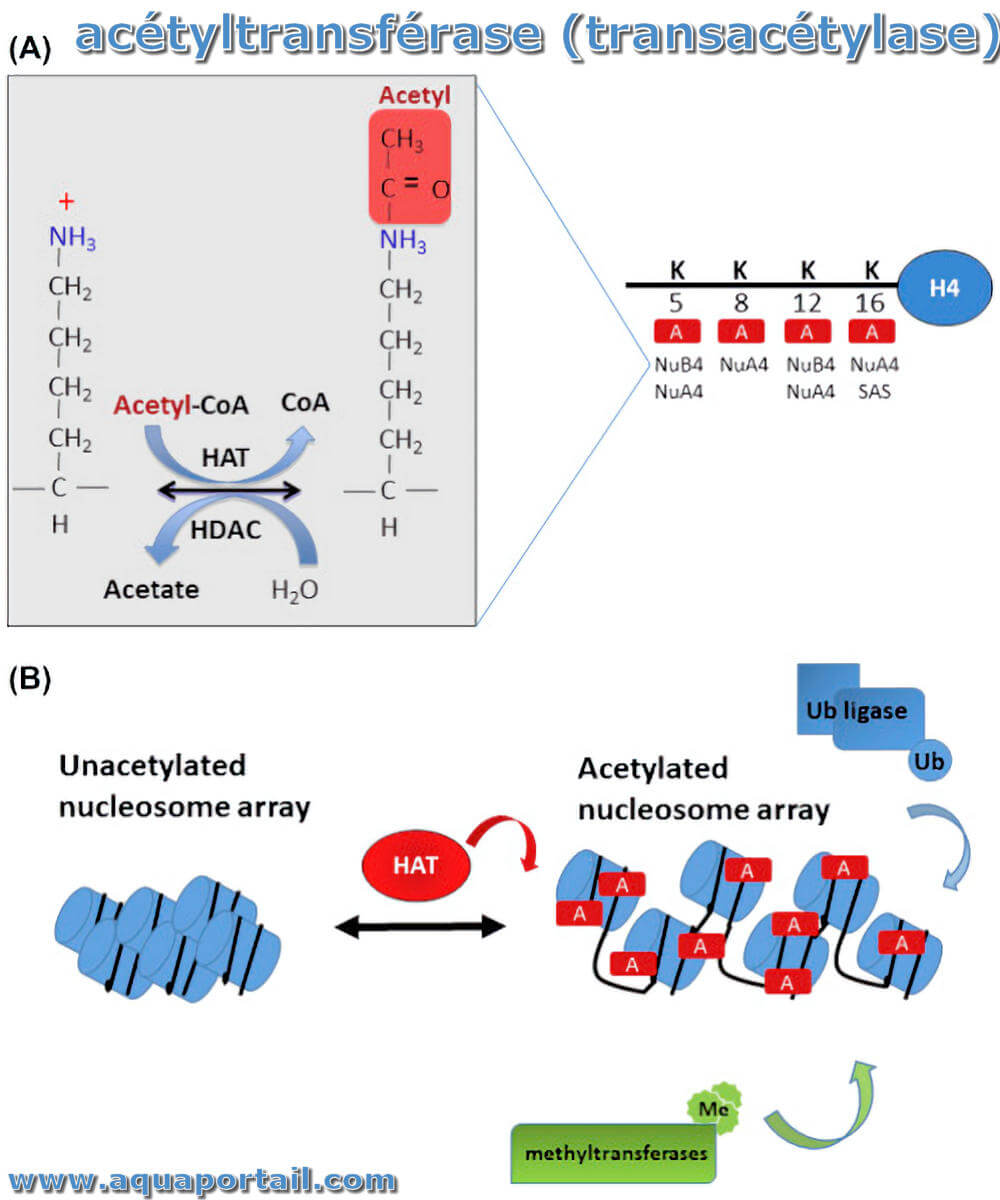
An acetyltransferase is an enzyme that transfers an acetyl group from acetyl-CoA to lysine amino acids.
Simple summary
Antarctica is a vast, ice-covered continent located at the southernmost tip of the Earth. It is characterized by extreme cold, harsh weather conditions, and immense ice sheets covering nearly its entire surface. Unlike other continents, Antarctica is virtually uninhabited by humans, except for temporary occupants and scientific research stations primarily dedicated to studying its environment and unique ecosystems. This continent plays a key role in regulating global climate and supports diverse wildlife adapted to its icy conditions, including penguins, seals, and various bird species.
