Natural environment
noun phrase (n. phr.)
Definition
The natural environment is the environment of nature that characterizes a habitat area with an artificially unmodified biotope, integrating an ecosystem where living organisms interact interdependently. The natural environment relates to the phenomena of the physical world, the life that develops within it, and the biomes that structure this environment.
Mare's-tails in an aquatic natural environment:

The natural environment, terrestrial or aquatic, hosts all kinds of species with rich biodiversity, such as this aquatic plant Hippuris vulgaris.
Explanations
The natural environment encompasses all living and non-living entities that exist spontaneously in a given space, creating a nature not shaped by human activity. This environment relies on the interdependence of living species, climatic dynamics, weather phenomena, and natural resources that govern the life cycle.
Everything pertaining to the natural environment belongs or relates to nature or depends on the quality or property of things. It often delimits a habitat.
The main types of natural environments are both terrestrial and aquatic. The most common are:
- forests (jungles, coniferous, deciduous, taigas...)
- grasslands (plains, valleys, heathlands...)
- deserts (savannas, steppes, tundras...)
- wetlands (marshes, swamps, peatlands...)
- watercourses (rivers, major rivers, streams...)
- bodies of water (ponds, lakes, seas, oceans...)
Principles and general explanations
As a general rule, the natural environment excludes any inclusion of artificial objects or structures resulting from human intervention. However, certain expressions such as "natural setting" or "human nature" may nuance this view by incorporating an anthropocentric perspective. Moreover, the natural is distinguished from the supernatural, the latter broadening the scope to dimensions ranging from the subatomic level to that of galaxies.
The modern notion of naturalness as ecological sites within the physical universe is relatively recent, having emerged and gained popularity with the gradual development of the scientific method over several centuries.
In its various meanings, the term "nature" can designate both the vast array of life forms, including plants and animals, and the processes linked to inanimate phenomena such as meteorology, terrestrial geology, or the matter and energy serving as a substrate for these interactions. Thus, the natural environment is often associated with the concept of natural surroundings.
This framework includes components such as wild species, rock formations, forests, or beaches—in short, everything that persists as is or despite minimal human alteration. This traditional concept of the natural rests on an opposition to the artificial, conceived as the product of conscious human intention or action.
Accordingly, it is appropriate to view the natural environment as an integrated ecological system in which natural functions unfold in the absence of significant human interference. This includes vegetation, microorganisms, soil, geological formations, the atmosphere, and the various natural manifestations operating under their intrinsic conditions.
⭐ Even though an aquarium represents an artificialized captive ecosystem, its model can include a "nature aquarium" comprising only genuine living plants without artificial additions. Similarly, practices stemming from permaculture foster sustainable management of the natural environment in a context such as gardening. Aquaponics, combining fish farming and plant cultivation, illustrates a partial recreation of natural cycles ensuring coherent ecosystem functioning.
Types of natural environments
There are numerous names for specialized biological natural environments such as:
- marshes
- swamps
- peatlands
- meadows
- plains
- valleys
- heathlands
- rivers
- major rivers
- streams
- torrents
- ponds
- lakes
- oceans
- seas
- reefs
- mangroves
- mountains
- forests
- jungles (or primary forests)
- deserts
- savannas
- steppes
- tundras
- taigas
The list of specific names assigned to particular natural biotopes is long.
Synonyms, antonyms
Spanish translation: medio natural
6 synonyms (similar meaning) for "natural environment":
1 antonym (opposite meaning):
Related words and expressions to NATURAL ENVIRONMENT are directly connected by general or specific meaning.
The expression NATURAL ENVIRONMENT is listed on page 1 of words starting with N in the dictionary glossary.
Related to "natural environment"
biotope
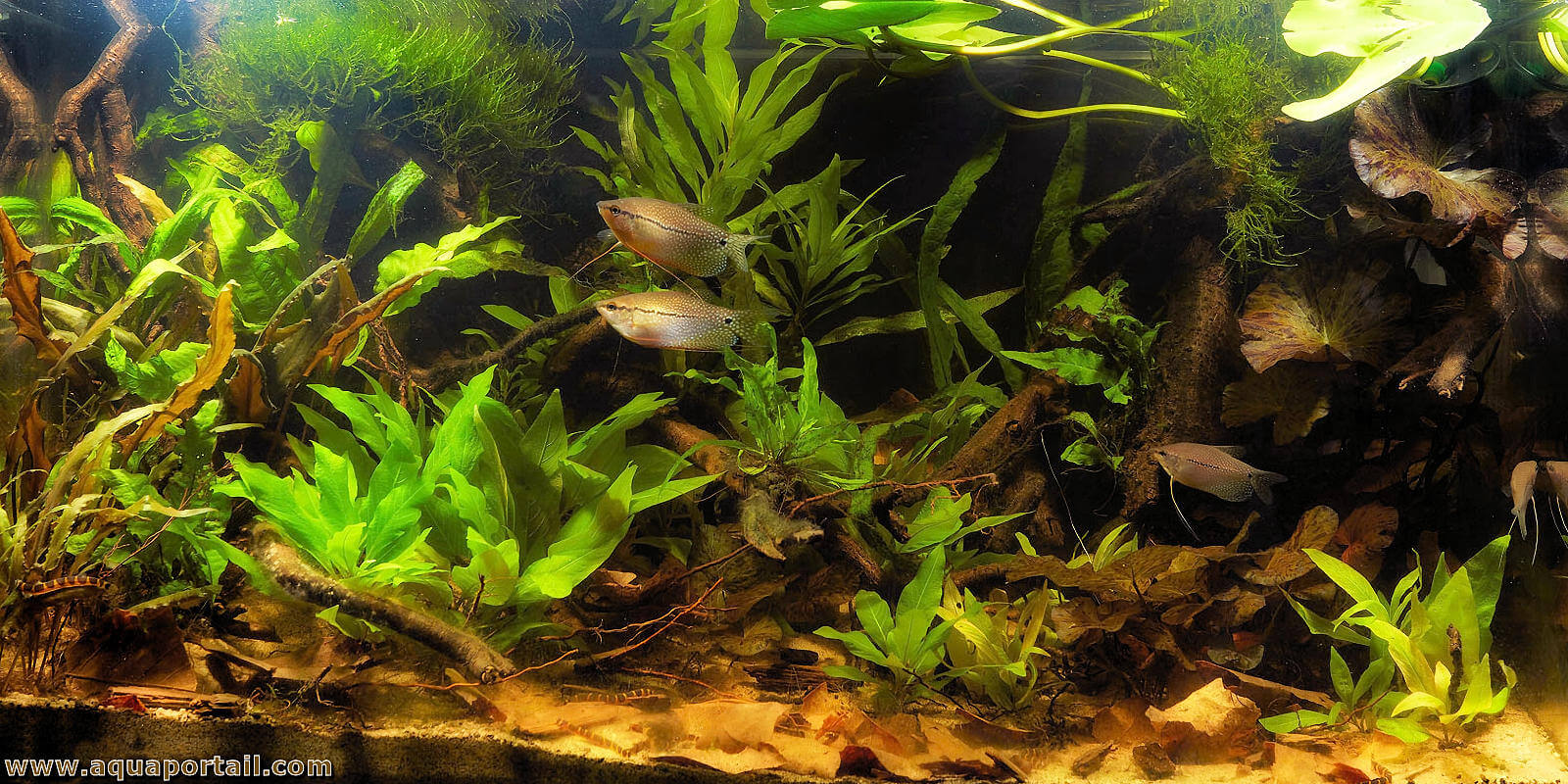
A biotope is a region uniform in its environmental conditions and in the specific populations of animals and plants for which it serves as a habitat.
natural swimming pool

The principle of an ecological swimming pool, or natural swimming pool, is relatively simple : private swimming pools are becoming increasingly numerous...
cohabitation

Cohabitation is the simultaneous coexistence of several elements, similar or different, in the same place (habitat) over the same (extended) period.
nanobacterium
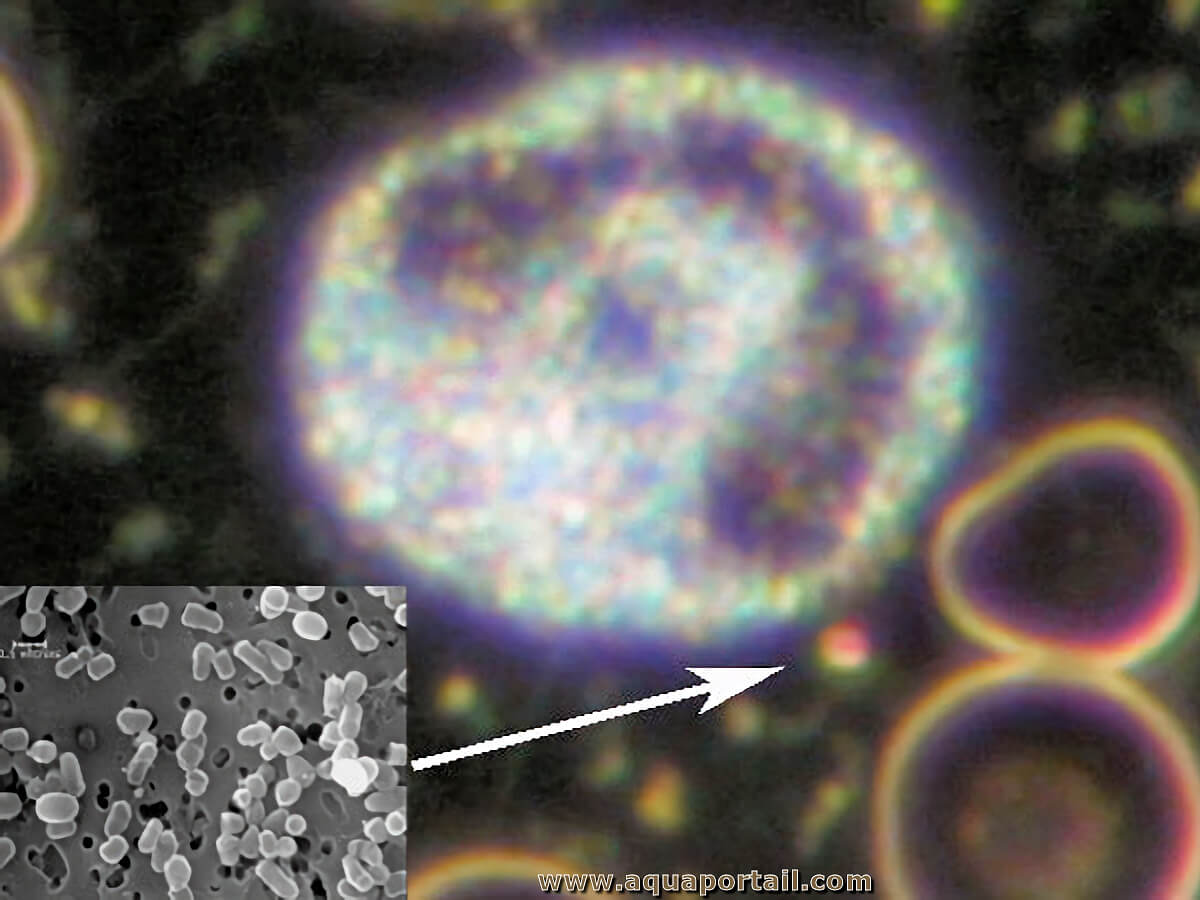
A nanobacterium is a submicron particle initially described as a hypothetical bacterial microorganism the size of a nanobe.
