Absence
noun (n.)
Definition
Absence refers to non-presence at an expected location, or the complete non-existence of something. The concept of absence is recognized across various disciplines, notably philosophy, psychology, medicine, and linguistics.An absence:

Absence is not limited to a mere lack; depending on context, it often entails deeper existential and functional dimensions.
Explanations
Fundamentally, absence denotes the state of what is missing or not present. It can be approached from both tangible and intangible perspectives, offering a wide range of interpretations depending on context.
✅ Absence can have functional consequences. In ecology, for example, the disappearance of a keystone species can cause major disruptions in ecosystem dynamics, affecting biodiversity and environmental stability.
In philosophy
In philosophy, absence is often associated with reflections on nothingness and non-being. Philosophers have long debated the implications of absence, questioning whether it constitutes a form of existence or merely the negation of presence. Such debates address fundamental ontological questions regarding the nature of reality and the essence of being.
In psychology
Psychologically, absence can have a considerable impact on human emotions and behavior. The phenomenon of emotional absence illustrates this: an individual may be physically present yet emotionally distant, creating a sense of lack or emptiness. The absence of loved ones can evoke nostalgia or grief, underscoring the relational dimension of human experience.
In linguistics
Linguistically, absence is expressed through terms conveying lack or omission. This linguistic representation often relies on markers of negation or specific vocabulary denoting missing elements. Thus, an expression such as "the absence of light" refers to darkness, a state defined by what is lacking rather than what is present. Language allows absence to be evoked with nuance, both literally and figuratively.
Absence also carries narrative significance in literature and the arts. Authors and artists often use it as a powerful device to convey themes such as loss, emptiness, and isolation. By deliberately omitting certain elements or characters, creators can elicit emotional responses or highlight specific thematic concerns.
In social sciences
In the social sciences, absence frequently refers to absenteeism, particularly in education and employment. It then serves as an indicator of participation or engagement; high absenteeism rates generally reveal underlying issues, such as dissatisfaction or systemic dysfunction. The metrics used to assess absence in these areas (such as attendance records and participation rates) are essential for evaluating engagement and productivity.
Synonyms, antonyms
Spanish translation: ausencia
9 synonyms (similar meaning) for "absence":
- deficiency
- in absentia
- lack
- momentary memory lapse
- non-existence
- non-presence
- period of absence
- shortage
- temporary interruption
1 antonym (opposite meaning):
Related words and expressions to ABSENCE are directly connected by general or specific meaning.
The word ABSENCE is listed on page 1 of words starting with A in the dictionary glossary.
Related to "absence"
abiotic

In biology and ecology, abiotic refers to what is not biotic, that is, not part of living beings.
aboral

Aboral refers to what is situated away from or opposite the mouth in zoology, and especially in marine biology.
acetyltransferase
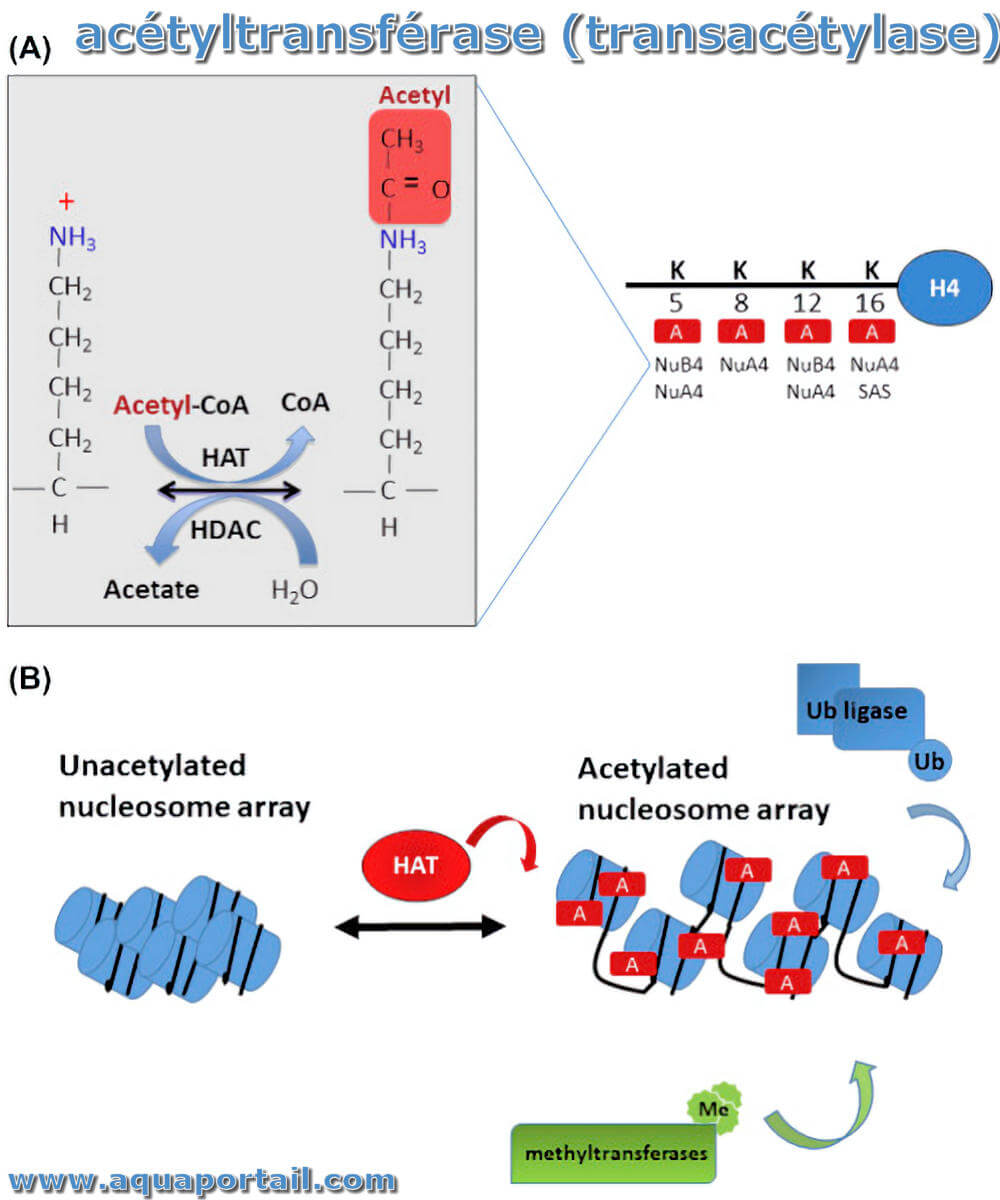
An acetyltransferase is an enzyme that transfers an acetyl group from acetyl-CoA to lysine amino acids.
achene

An achene is a dry, indehiscent fruit (one that does not split open) containing a single seed, such as an acorn, a hazelnut, etc.
