Psychology
noun (n.)
Definition
Psychology is the discipline that studies how people think and behave. It involves conducting an in-depth examination of the attitudes, feelings, and behaviors of individuals as well as those of organizations.Psychology is the scientific study of the human mind (and animal behavior) and its functions, particularly those affecting behavior in a given context (mentality, temperament, character, behavior, mindset).
Psychology:

Psychology studies and uncovers the mental characteristics or attitudes of an individual or group. Psychologists actively investigate and interpret mental processes, brain functions, and behavior.
Explanations
Psychologists employ diverse research strategies and techniques to investigate the complexity of human behavior and mental processes, along with the underlying mechanisms that influence and shape them. They apply their expertise to develop interventions and strategies that help individuals and communities lead healthier, more fulfilling lives.
✅ Interpersonal psychology examines what motivates individuals, as well as the mental and emotional factors governing a situation or interaction.
Fields of study
Psychology investigates the relationships among ideas, feelings, motivations, actions, and experiences. To expand knowledge and develop new theories about the human mind and behavior, psychologists explore these topics from a variety of theoretical perspectives.
The field of psychology is divided into several distinct subdisciplines, notably social, developmental, cognitive, and clinical psychology, among many others.
Numerous facets of human behavior and mental processes are studied by psychologists.
The major branches of psychological study include:
- Developmental psychology;
- Cognitive psychology;
- Social psychology;
- Personality psychology;
- Psychopathology (clinical and abnormal psychology);
- Neuropsychology;
- Health psychology.
The intricate network of cognitive functions and mental states underlying human behavior is referred to as the mind.
Perspectives
Understanding human behavior and mental processes involves a variety of viewpoints and methodologies, all encompassed within the broad and complex science of psychology.
Below are some of the primary perspectives in psychology:
- biological perspective: this approach focuses on how biology and physiology affect behavior and the mind, examining the role of hormones, the brain, genetics, and other biological processes on behavior and mental health.
- Behavioral perspective (behaviorism): this perspective places particular emphasis on how the external environment shapes behavior, focusing on observable actions and how they are learned and modified through reinforcement, punishment, and other forms of conditioning.
- Cognitive perspective: this approach studies how the mind perceives, remembers, thinks, and solves problems, examining how humans process information and make decisions, and how factors such as attention, perception, and reasoning influence these processes.
- Humanistic perspective: this perspective emphasizes the value of subjective experience, individual growth, and human potential, highlighting qualities such as self-awareness, creativity, and self-actualization.
- Psychodynamic perspective: this viewpoint highlights how unconscious mechanisms and unresolved conflicts influence behavior and mental health, exploring the lasting effects of early experiences and interactions with caregivers on personality development and psychological well-being.
- Sociocultural perspective: this approach examines how social structures and cultural norms influence behavior and mental health, analyzing the impact of variables such as gender, cultural background, and socioeconomic status on individual and collective experiences.
These are just a few illustrations of the perspectives within psychology. Each offers a distinct lens through which to understand and study human behavior and mental functions, and they can be combined to build a deeper understanding of complex psychological phenomena.
Goals
The goal of psychology is to better understand and explain human cognition, emotions, and behavior. Through observation and empirical investigation, psychology seeks to analyze and account for the complexity of human behavior.
The core objectives of psychology are:
- Understanding behavioral determinants: analyzing environmental, biological, and social influences to build theories and models explaining human behavior.
- Promoting mental health and well-being: identifying risk and protective factors linked to mental health conditions in order to design prevention and support programs.
- Diagnosing and treating mental disorders: determining the underlying causes of mental health conditions and implementing effective care plans, which may combine psychotherapy and medical treatment.
- Enhancing interpersonal relationships and communication: fostering healthy interactions and effective communication within groups, organizations, and communities.
- Optimizing capabilities and performance: developing strategies that help individuals reach their full potential across diverse settings, including sports, academics, and the workplace.
These are just a few examples of what psychology seeks to accomplish. By deepening our understanding of human beings, psychologists strive to promote both psychological and physical well-being.
Synonyms, antonyms
Spanish translation: psicología
5 synonyms (similar meaning) for "psychology":
- personality science
- science of the mind
- sociology
- study of mental processes
- study of the mind
0 antonyms (opposite meaning).
Related words and expressions to PSYCHOLOGY are directly connected by general or specific meaning.
The word PSYCHOLOGY is listed on page 1 of words starting with P in the dictionary glossary.
Related to "psychology"
ecophysiology
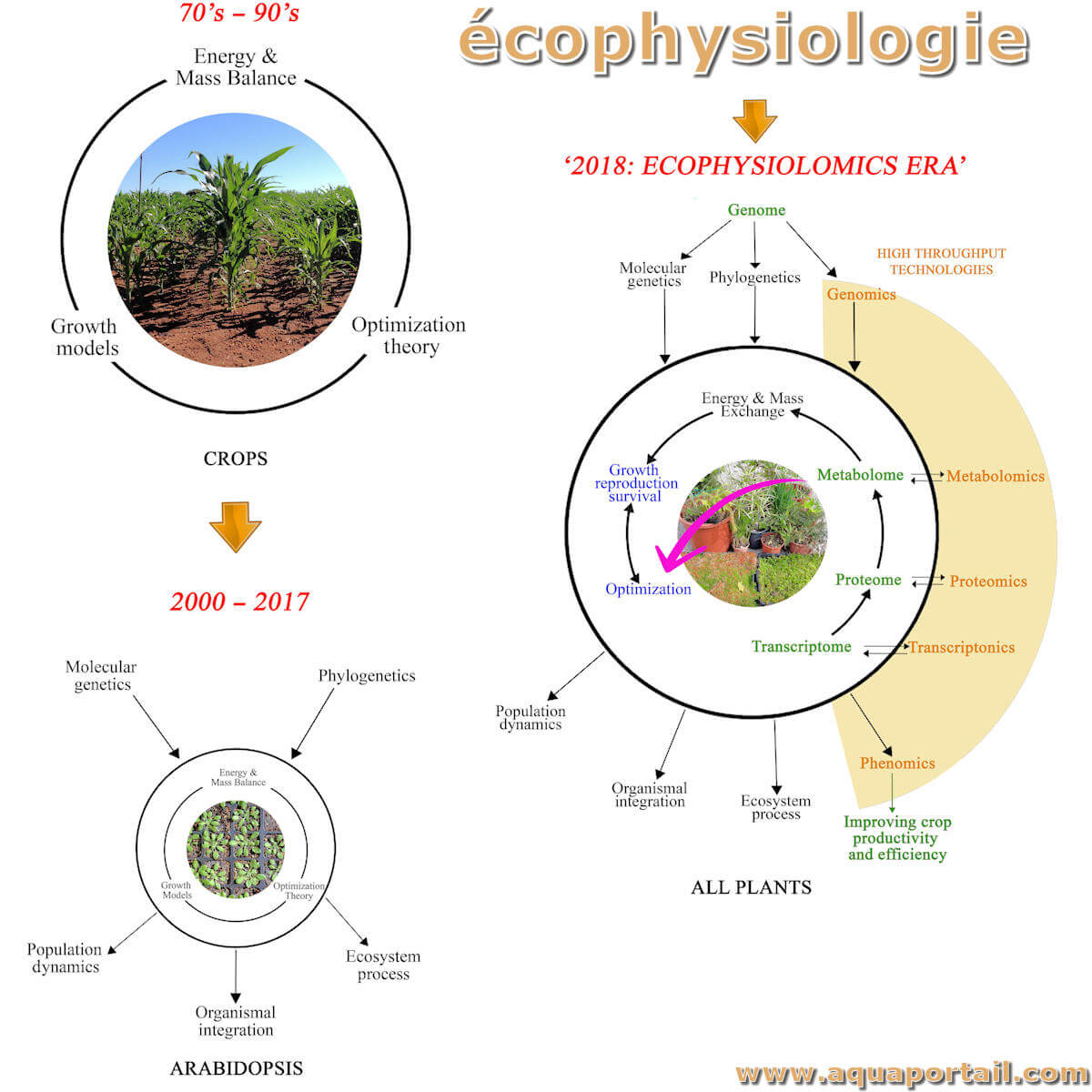
Ecophysiology is the study of the interrelationship between an organism's normal physical function and its environment.
gitology

Gitology is the science studying mineral deposits, in the sense of ore deposits. A gitological study in mineralogy helps better determine the ecological...
morphology

Morphology is the field dealing with form, shape (morph), external appearance, or the study thereof.
paedomorphosis

Paedomorphosis (juvenilization) is a phylogenetic change involving the retention of juvenile or even larval traits into a later (adult) stage.
