Pseudomonas
proper noun
Definition
Bacilli of the genus Pseudomonas are straight or slightly curved rod-shaped bacteria that are Gram-negative, oxidase-positive, and strictly aerobic, although in some cases they can use nitrate as a terminal electron acceptor. Certain members of Pseudomonas sp. are psychrophilic, whereas others synthesize yellow-green fluorescent siderophores. Pseudomonas species commonly harbor plasmids and do not form spores.
Viewed under an electron microscope, Pseudomonas form infectious rods:

The species Pseudomonas aeruginosa is a unipolarly motile bacterium with a pearlescent appearance that secretes a variety of pigments including pyocyanin (cyan-blue), fluorescein (fluorescent yellow-green), and pyorubin (reddish-brown). It is frequently pathogenic and responsible for nosocomial infections in humans. Indeed, Pseudomonas aeruginosa is widely recognized as a major opportunistic clinical pathogen, and epidemiological studies report rising antibiotic resistance among clinical isolates.
Explanations
Because of their widespread distribution in nature, members of the family Pseudomonadaceae were observed in the earliest days of microbiology. The genus name Pseudomonas was defined in relatively broad terms in 1894 as a genus of Gram-negative rods motile by means of polar flagella. Soon afterward, a large number of species were assigned to the genus. Pseudomonadaceae were isolated from numerous ecological niches, resulting in a vast assemblage of species. With newer methodologies and approaches based on conserved macromolecules (such as 16S rRNA), many species were subsequently reclassified.
Species of the genus Pseudomonas are ubiquitous organisms; these Gram-negative bacteria belong to the proteobacteria group (Pseudomonadota). Bacteria of this genus have been isolated from pristine soils, biogenic environments, and xenobiotic-contaminated soils alike. They also form dominant components of the microbiota in the rhizosphere and phyllosphere of plants, and have been isolated from aquatic habitats in both freshwater and seawater. Generally harmless to humans, the genus nevertheless includes opportunistic pathogens such as P. aeruginosa, while P. syringae is a well-known plant pathogen.
This genus ranks among the most effective at degrading organic compounds, particularly strains of Pseudomonas putida. The broad catabolic potential of the genus is frequently associated with self-transmissible plasmid determinants. The ubiquity of Pseudomonas bacteria and their ability to utilize a wide range of nutrients reflect remarkable environmental adaptation mechanisms.
Pseudomonas strains are capable of sensing, integrating, and responding to a wide array of shifting environmental conditions, displaying high responsiveness to physicochemical and biological cues. Described strains can acquire resistance to heavy metals, organic solvents, and detergents, enabling them to exploit diverse carbon and nutrient sources and colonize niches inaccessible to other microorganisms. Unsurprisingly, Pseudomonas bacteria are regarded as a paradigm of metabolic versatility, serving as key agents in recycling organic matter in aerobic ecosystem compartments and playing a vital role in maintaining environmental quality. In addition to bioremediation—including in aquariums—Pseudomonas species are used in industrial applications such as bioplastic (PHA) production and biocontrol techniques. The taxonomic placement of various species within the genus remains subject to periodic revision.
In both freshwater and marine aquariums, Pseudomonas putida plays a valuable role in organic matter breakdown and nitrogen cycling under aerobic conditions, as well as in nitrate (NO3-) reduction and assimilation, complementing nitrifying bacteria (Nitrosomonas, Nitrobacter) and denitrifying blends used when cycling a new aquarium.
Synonyms, antonyms
Spanish translation: Pseudomonas
0 synonyms (similar meaning) for "pseudomonas".
0 antonyms (opposite meaning).
Related words and expressions to PSEUDOMONAS are directly connected by general or specific meaning.
The word PSEUDOMONAS is listed on page 1 of words starting with P in the dictionary glossary.
Related to "Pseudomonas"
Pseudocrenilabrinae
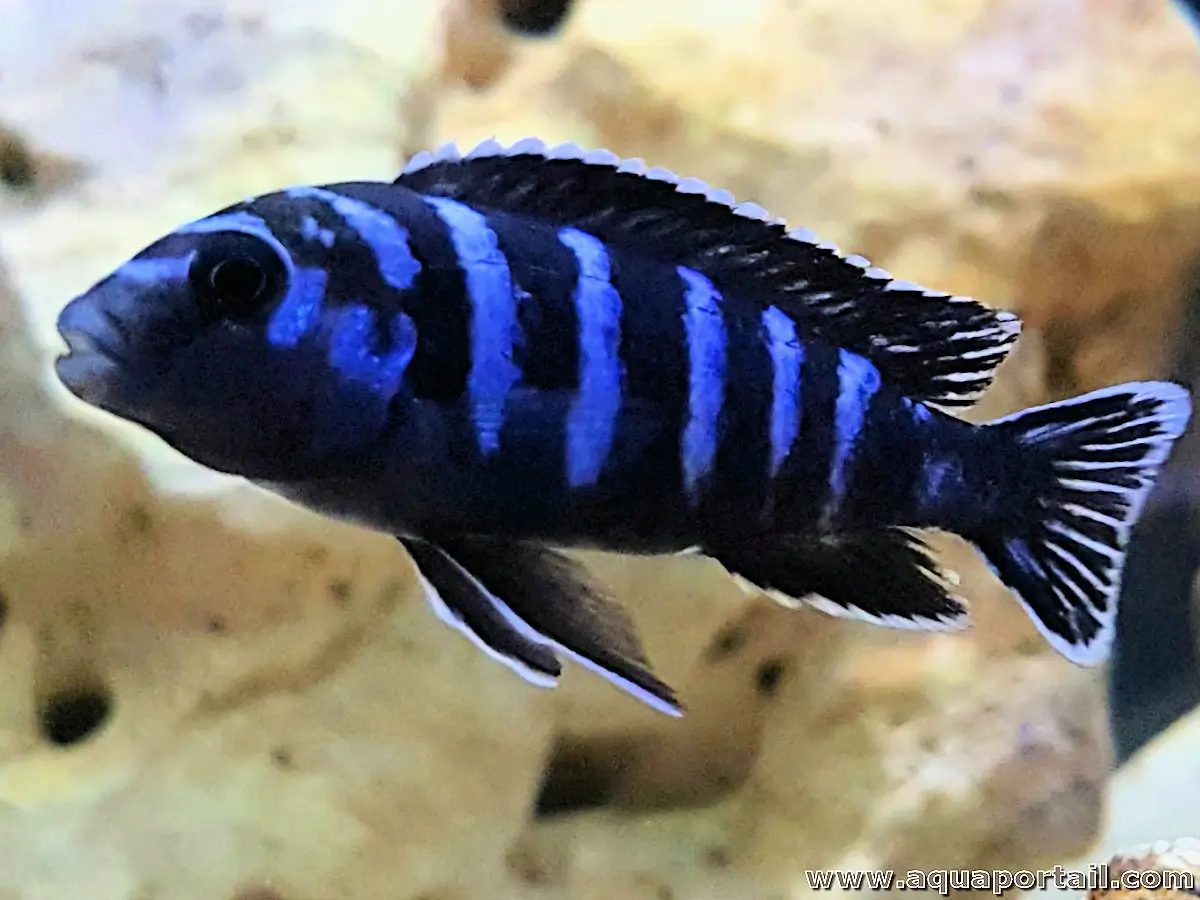
Pseudocrenilabrinae is a subfamily of the family Cichlidae from Central and East Africa, notably from the East African Rift zone with Lake Tanganyika and Lake...
paedomorphosis

Paedomorphosis (juvenilization) is a phylogenetic change involving the retention of juvenile or even larval traits into a later (adult) stage.
pandemic

A pandemic is the widespread outbreak of an epidemic infectious disease across a vast geographic area at a given time.
parchment

Historically, true parchment is animal skin prepared (limed, dried, thinned, dressed) to write or print upon.
