Antibiotic
noun and adjective (n. / adj.)
Definition
An antibiotic is a substance of animal or plant origin that inhibits the growth of or destroys bacteria and other microorganisms. It is an antimicrobial agent, generally produced naturally by a bacterium or a fungus. The antibiotic inhibits the development of microorganisms, or even destroys them.
Antibiotic resistance:

Some bacteria are resistant to antibiotics. This illustration shows bacterial cells becoming resistant to antibiotics. This resistance is acquired from the plasmid of a donor cell (circular unit of deoxyribonucleic acid, DNA), which carries resistance visible at top left (red/yellow, red being the resistance). Viral transmission involves a virus (pink, bottom left) obtaining a resistant gene and passing it to a bacterial cell that incorporates it into its plasmid. Bacterial cells also acquire DNA segments released from dead cells (top left). Mutations (not shown) can also occur, conferring antibiotic resistance and thereby enabling bacteria and eubacteria to survive and reproduce.
Explanations and role
Antibiotics are chemical compounds that kill or inhibit the growth of bacteria and are used to treat bacterial infections. They are produced in nature by soil bacteria and fungi. This gives the microbe an advantage when competing for food, water, and other limited resources in a particular habitat, because the antibiotic kills its competitors.
In other words, an antibiotic is any chemical substance, generally derived from molds or bacteria, capable of preventing the development of microorganisms or inhibiting other organisms. Most natural antibiotics are synthesized by lower fungi and bacteria, notably eubacteria. For example, penicillin is synthesized by Penicillium notatum.
They are generally used in medications for treating bacterial infections: they are also known as antibacterial agents or antimicrobial agents. Antibiotics are used in human medicine, veterinary medicine, and horticulture to treat infections caused by germs. Normally, antibiotics exhibit selective toxicity, being much more toxic to invading organisms than to the animal or human host, though they can occasionally cause an adverse drug reaction, such as affecting the normal bacterial flora of an organism. Antibiotics usually assist an individual's defenses until local responses are sufficient to control the infection.
An antibiotic is bacteriostatic if it prevents the growth of germs, and bactericidal if it destroys them. A broad-spectrum antibiotic is less selective and has a wider reach without precise targeting. The effects of an antibiotic are mapped out on an antibiogram.
Currently, the definition of an antibiotic includes synthetic or chemotherapeutic antimicrobials such as quinolones, sulfonamides, and other antimicrobial agents derived from natural products as well as those with empirically discovered antibiotic properties.
How do antibiotics work?
Antibiotics take advantage of the difference between the structure of the bacterial cell and that of the host. They prevent bacterial cells from multiplying so that the bacterial population remains constant, allowing the host's defense mechanism to fight off the infection, or they kill the bacteria, for example by halting the mechanism responsible for building their cell walls.
An antibiotic can also be classified according to the range of pathogens against which it is effective. Penicillin G destroys only a few species of bacteria and is known as a narrow-spectrum antibiotic. Tetracycline is effective against a wide range of organisms and is known as a broad-spectrum antibiotic.
Antibiotic resistance
Bacteria are said to be drug-resistant when they are no longer inhibited by an antibiotic to which they were previously susceptible. The emergence and spread of resistant antibacterial bacteria have continued to grow due to the overuse and misuse of antibiotics.
Treating a patient with antibiotics causes the adaptation or death of microbes; this is called "selective pressure". If a strain of a bacterial species acquires resistance to an antibiotic, it will survive the treatment. As the bacterial cell with acquired resistance multiplies, this resistance is passed on to its progeny. Under ideal conditions, some bacterial cells can divide every 20 minutes; consequently, after just 8 hours, more than 16 million bacterial cells resistant to that antibiotic could exist.
❓ How does antibiotic resistance spread? Antibiotic resistance can be inherent or acquired. Some bacteria are naturally resistant to certain antibiotics due to their physiological characteristics. This is inherent resistance. Acquired resistance begins when a bacterium that was originally susceptible to an antibiotic develops resistance. For example, resistance genes can be transferred from one plasmid to another plasmid or chromosome, or resistance can arise due to a random spontaneous chromosomal mutation.
✅ Teixobactin is an antibiotic active against Gram-positive bacteria that have developed resistance to commonly available antibiotics. The discovery was reported in January 2015, although the principle was demonstrated in 2010 and updated in 2014. The antibiotic was found in a bacterial culture inside a diffusion growth chamber that exposed previously unculturable bacteria to ambient nutrients and original growth factors without modification.
Alternatives to antibiotics
Alternative therapies to antibiotics are also emerging, such as bacteriophage therapy, which uses a group of viruses to invade bacteria and alter the genetic programming that confers antibiotic resistance. Phage therapy (using bacteriophages) is still in its early research stages, and practical implementation is very limited.
Bacteriocins are natural toxins, proteins produced by bacteria to inhibit the growth of other bacteria. The use of these molecules as therapeutic agents has been studied as a replacement for antibiotics. Some of the bacteriocins studied for this purpose include microcins and lantibiotics. Their application has been proposed mainly for topical and gastrointestinal use.
History
About 50 years ago, at the dawn of antibiotic research, the first peptides containing D-amino acids were discovered. These included tyrocidine, gramicidin, bacitracin, actinomycins, polymyxins, etc. Penicillin, the first antibiotic discovered, is also derived from an intermediate tripeptide containing a D-valine.
Synonyms, antonyms
Spanish translation: antibiótico
4 synonyms (similar meaning) for "antibiotic":
- antibacterial
- antibacterial agent
- antimicrobial agent
- bactericide
0 antonyms (opposite meaning).
Related words and expressions to ANTIBIOTIC are directly connected by general or specific meaning.
The word ANTIBIOTIC is listed on page 1 of words starting with A in the dictionary glossary.
Related to "antibiotic"
mycobactericide
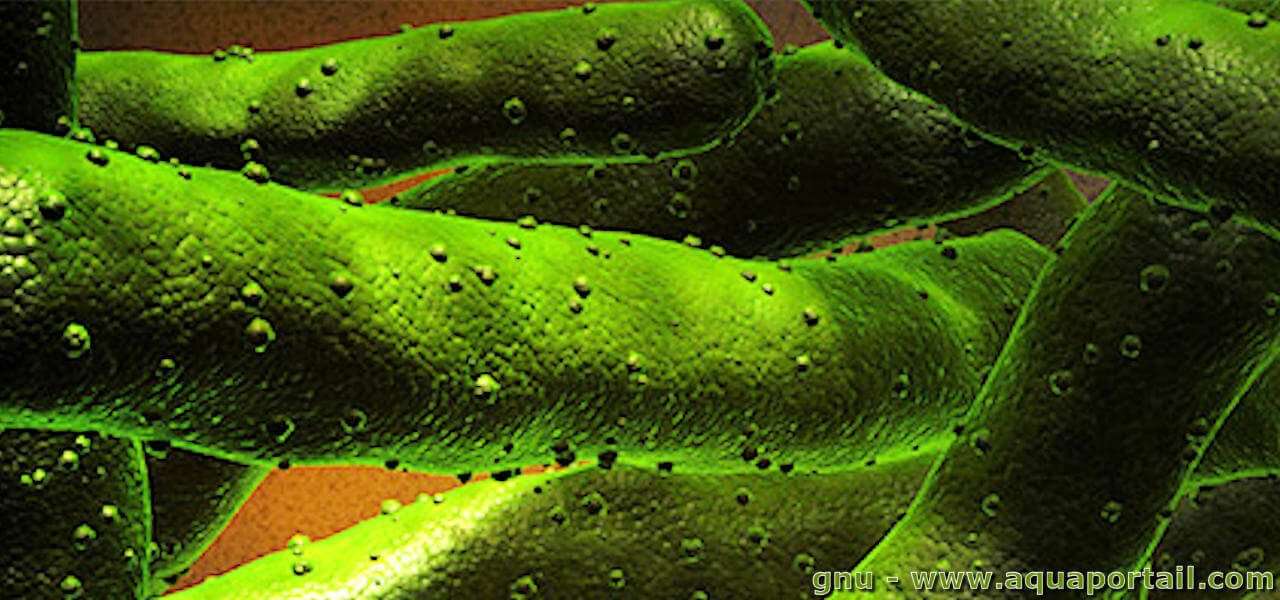
A mycobactericide is an antimicrobial agent capable of killing mycobacteria or markedly reducing their viability.
abiotic

In biology and ecology, abiotic refers to what is not biotic, that is, not part of living beings.
biotic

Biotic concerns living beings, is relative to life (biota), or allows the development of life.
