Antioxidant
noun (n.)
Definition
An antioxidant is a molecule that inhibits the oxidation of other molecules. Antioxidants terminate oxidation reactions by removing free radical intermediates through reduction, thereby suppressing their activity. They are often reducing agents such as thiols or polyphenols.
Organic cranberry juice is an antioxidant:

An easily accessible antioxidant in stores is the cranberry, found as 100% organic juice. The ursolic acid in cranberry berries acts on the hepatic and lymphatic systems with detoxifying and depurative properties.
Explanations
An antioxidant is a substance that prevents or delays the oxidation of one or more other compounds, such as vitamin C. An antioxidant is a substance that chemically protects other compounds against oxidation, thereby improving stability and extending shelf life before sale.
Because antioxidant activity is the foundational factor of dietary function and also plays an important role in phytotherapy, the antioxidant activity of numerous herbal resources and Kampo formulas has been studied and a wealth of data has been accumulated. However, the term "antioxidant" encompasses fairly complex characteristics; for example, several methods exist to evaluate antioxidant activity and express potency, such as ferric reducing antioxidant power (FRAP), radical scavenging capacity, antioxidant capacity, and oxygen radical absorbance capacity (ORAC).
Antioxidant capacity
Increased antioxidant capacity helps reduce muscle damage, which in turn should decrease inflammation resulting from white blood cell activity at the site of injured muscle.
Berries vary in their natural antioxidant capacity, owing their antioxidant properties primarily to various phenolic compounds, including tannins, phenolic acids, stilbenes, and flavonoids. The antioxidant compounds in berries exert their action through diverse mechanisms. Phenolic acids can inhibit the oxidation of vitamin C, carotenoids, and unsaturated fatty acids. Flavonoids can chelate metals, scavenge oxygen radicals, and also inhibit lipid oxidation. Anthocyanins may also scavenge free radicals and inhibit the oxidation of human low-density lipoproteins (LDL). Carotenoids are likewise scavengers of reactive oxygen species, preventing LDL oxidation. Blueberries and cranberries rank among fruits with high antioxidant power due to the presence of substantial amounts of several phytochemicals such as phenolic compounds. Antioxidant capacity ranges from 13.9 to 45.9 μmol of Trolox equivalents per gram of fresh berries.
Sources and uses of antioxidants
Antioxidants play an important role in animal organisms to keep the body healthy. Antioxidants are found naturally in food, especially within a healthy, balanced diet. The oxygen we breathe is partly responsible for the oxidation of our body, leading to the production of free radicals. Free radicals are in fact molecules toxic to the body and are responsible for several diseases such as cancer, diabetes, heart disease, and even cellular aging (such as skin aging).
Free radicals cause irreversible damage to the body, and several factors promote their formation: smoking, pollution, and a diet high in salt and sugar. Thus, a balanced diet rich in antioxidants is an excellent way to stay healthy.
Ultimately, the popular recommendation to eat five servings of fruits and vegetables per day is well founded, as fruits and vegetables contain antioxidants.
Antioxidants are widely used as ingredients in dietary supplements in the hope of maintaining health and preventing diseases such as cancer and ischemic heart disease. Although some studies have suggested that antioxidant supplements confer health benefits, other large-scale clinical trials have shown no benefit for the formulations tested, and excessive supplementation may become harmful. Beyond these medical applications, antioxidants have numerous industrial uses, such as food preservatives and cosmetics, and preventing the degradation of rubber and petroleum products.
Antioxidant vitamins
For example, vitamin E prevents the oxidation and rancidity of fats. Vitamin A protects our cells and helps prevent cardiovascular diseases as well as certain cancers. Vitamin A is found in almonds and nuts. Vitamin C is also an antioxidant because it eliminates free radicals.
Low levels of antioxidants or inhibition of antioxidant enzymes cause oxidative stress and can damage or kill cells. Oxidative stress has been linked to the pathogenesis of many human diseases. For this reason, pharmacology intensively investigates the use of antioxidants, particularly as a treatment for stroke and neurodegenerative diseases. However, it remains unclear whether oxidative stress is the cause or the consequence of such diseases.
Antioxidant plants
Antioxidant plants also aid in protection against aging. medicinal plants possessing antioxidant properties include cabbage, turmeric, ginger, ginkgo biloba, ginseng, lavender, nutmeg, blueberry, marigold, black pepper, sage, tea, and vanilla.
Noni juice is a powerful antioxidant:

Noni juice, extracted from the fruit of the shrub Morinda citrifolia, is a highly effective antioxidant with additional medicinal properties such as slimming, appetite-suppressing, antibiotic, febrifuge, and antipyretic actions...
Naturally, in addition to medicinal plants, fruits (grapes, apples, cranberries, etc.) and vegetables are excellent antioxidant foods. Essential oils of argan, celery, lemon, or lemon balm also possess antioxidant properties.
The antioxidant capacity of certain fruits, such as eggplants, is higher during their early stage (just before full ripeness). They are also an important component of breast milk.
Photoantioxidants
A photoantioxidant is a compound that prevents light-induced oxidation of one or more other substances. Many organisms incorporate antioxidants, notably medicinal herbs and fish, primarily via astaxanthin.
The antioxidant acts, in a sense, as the opposite of an oxidant.
Synonyms, antonyms
Spanish translation: antioxidante
6 synonyms (similar meaning) for "antioxidant":
- flavonoid
- free radical scavenger
- nutraceutical
- oxidation inhibitor
- photoantioxidant
- polyphenol
1 antonym (opposite meaning):
Related words and expressions to ANTIOXIDANT are directly connected by general or specific meaning.
The word ANTIOXIDANT is listed on page 1 of words starting with A in the dictionary glossary.
Related to "antioxidant"
nutraceutical
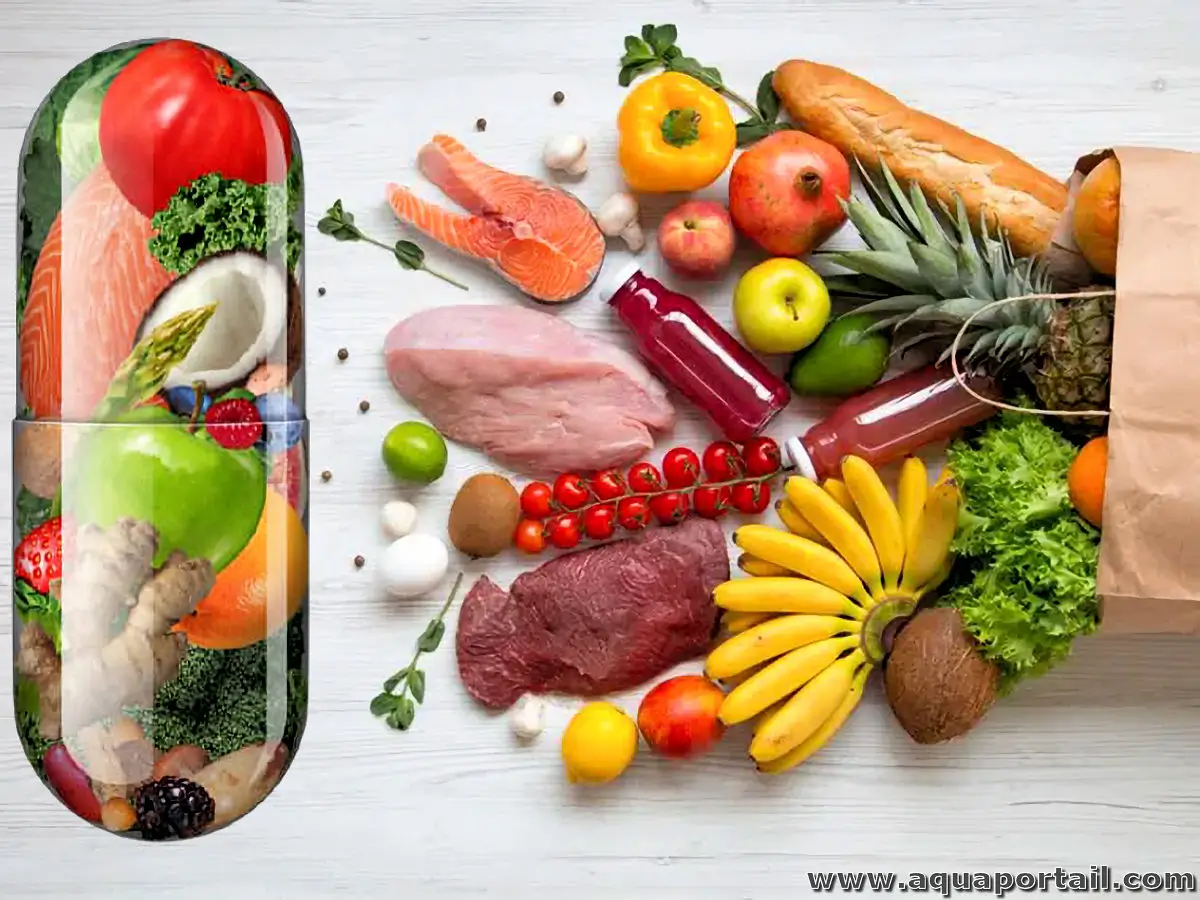
A nutraceutical (a portmanteau of nutrient + pharmaceutical, or functional food) is a food or food-derived product containing bioactive compounds recognized...
abiotic

In biology and ecology, abiotic refers to what is not biotic, that is, not part of living beings.
aboral

Aboral refers to what is situated away from or opposite the mouth in zoology, and especially in marine biology.
absence

Absence refers to non-presence at an expected location, or the complete non-existence of something.
Simple summary
An antioxidant is a substance that helps protect the body's cells against damage caused by free radicals, which are unstable molecules. By neutralizing free radicals, antioxidants can prevent or slow cellular damage, potentially reducing the risk of certain chronic diseases and promoting overall good health. Antioxidants are commonly found in various foods, including fruits, vegetables, nuts, and whole grains.
