Anticoagulant
noun and adjective (n. / adj.)
Definition
An anticoagulant is a chemical substance that prevents, reduces, or delays blood coagulation, prolonging blood clotting time. Examples of anticoagulants are heparin and warfarin. In medicine and pharmacy, an anticoagulant is an endogenous or exogenous substance that interferes with or inhibits blood coagulation, creating an antithrombotic or pro-hemorrhagic state. Aspirin (acetylsalicylic acid) acts as an antiplatelet agent (often loosely grouped with anticoagulants).
Anticoagulant tablets:
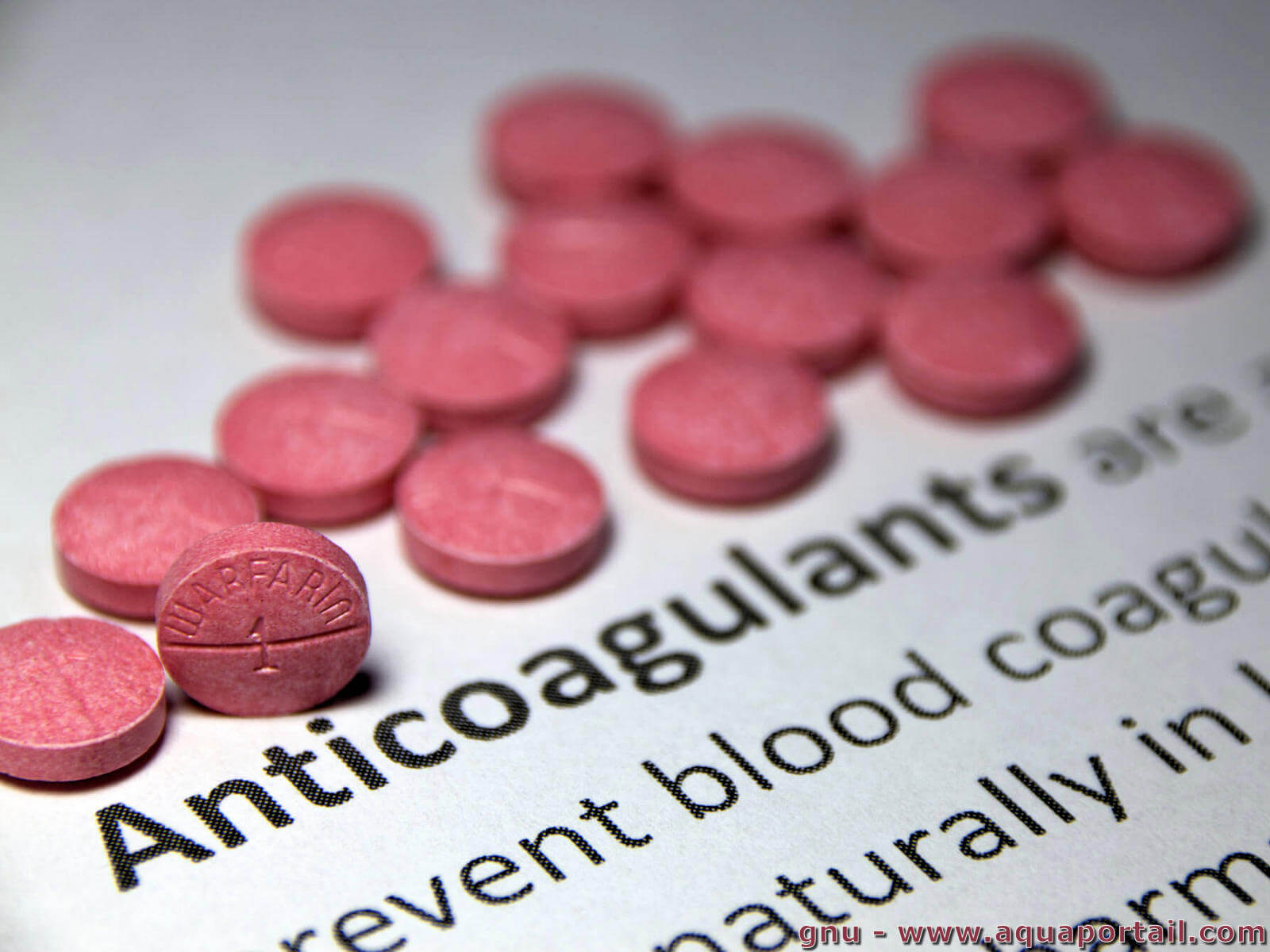
For over 60 years, anticoagulants such as Warfarin have been prescribed to reduce the risk of blood clots and stroke, particularly in patients with atrial fibrillation.
Explanations
Among anticoagulants, endogenous substances produced by the body itself and exogenous substances (drugs) are distinguished into: antithrombin, lupus anticoagulant, protein C, thrombomodulin, and paraprotein coagulation factor inhibitors. See also blood coagulation factors.
Anticoagulant therapy
The administration of a medication to inhibit blood clotting is called anticoagulation. The effect is based on influencing plasmatic coagulation, that is, coagulation factors in the plasma. Direct anticoagulants, which directly inhibit coagulation factors, are distinguished from indirect anticoagulants, which either require a cofactor for coagulation inhibition or inhibit the synthesis of coagulation factors.
🚩 Medical supervision is mandatory when taking anticoagulants. Anticoagulants are widely recognized for reducing strokes, yet they can also prevent clotting in places and situations where clotting is desirable. In other words, they can cause bleeding. That is why patients must be closely monitored by their physician: if the effect is too weak, it will fail to prevent strokes; if the effect is too strong, it will cause excessive bleeding.
Typical representatives of direct anticoagulants are hirudin and active ingredients also known as direct oral anticoagulants (DOACs) such as apixaban, dabigatran, and rivaroxaban. Classic representatives of indirect anticoagulants are vitamin K antagonists and heparins.
Platelet aggregation inhibitors such as acetylsalicylic acid and clopidogrel, which act as functional inhibitors of blood platelets and thereby block platelet aggregation, can be distinguished from anticoagulants. The colloquial term blood thinner is misleading for both anticoagulants and platelet aggregation inhibitors, as these agents do not make the blood thinner in the sense of lower viscosity. True thinning of the blood is hemodilution, a method of targeted hematocrit reduction.
Anticoagulants and anti-inflammatories
For some patients, low-dose aspirin, such as that prescribed to cardiac patients, can cause mucosal damage to the gastrointestinal tract and lead to erosions, ulcers, and bleeding. Combine this with daily anticoagulants, and it is not surprising to see several patients in the emergency room each month with severe stomach bleeding.
This is because mixing anticoagulants with anti-inflammatory drugs thins clotting capacity while simultaneously promoting bleeding. This can be as minor as bleeding gums or as severe as stomach hemorrhage. The two medications should never be taken in combination (a fact that many healthcare professionals recognize, yet few communicate to patients). For some physicians, the bleeding risk weighed against stroke prevention is worth taking. However, most patients are prescribed anticoagulants by one doctor and pain relievers by another.
Moreover, many patients overlook a seemingly harmless over-the-counter product like aspirin when filling out a medication history.
Synonyms, antonyms
Spanish translation: anticoagulante
2 synonyms (similar meaning) for "anticoagulant":
- coagulation inhibitor
- hemodilution
1 antonym (opposite meaning):
Related words and expressions to ANTICOAGULANT are directly connected by general or specific meaning.
The word ANTICOAGULANT is listed on page 1 of words starting with A in the dictionary glossary.
Related to "anticoagulant"
abiotic

In biology and ecology, abiotic refers to what is not biotic, that is, not part of living beings.
aboral

Aboral refers to what is situated away from or opposite the mouth in zoology, and especially in marine biology.
absence

Absence refers to non-presence at an expected location, or the complete non-existence of something.
acetyltransferase
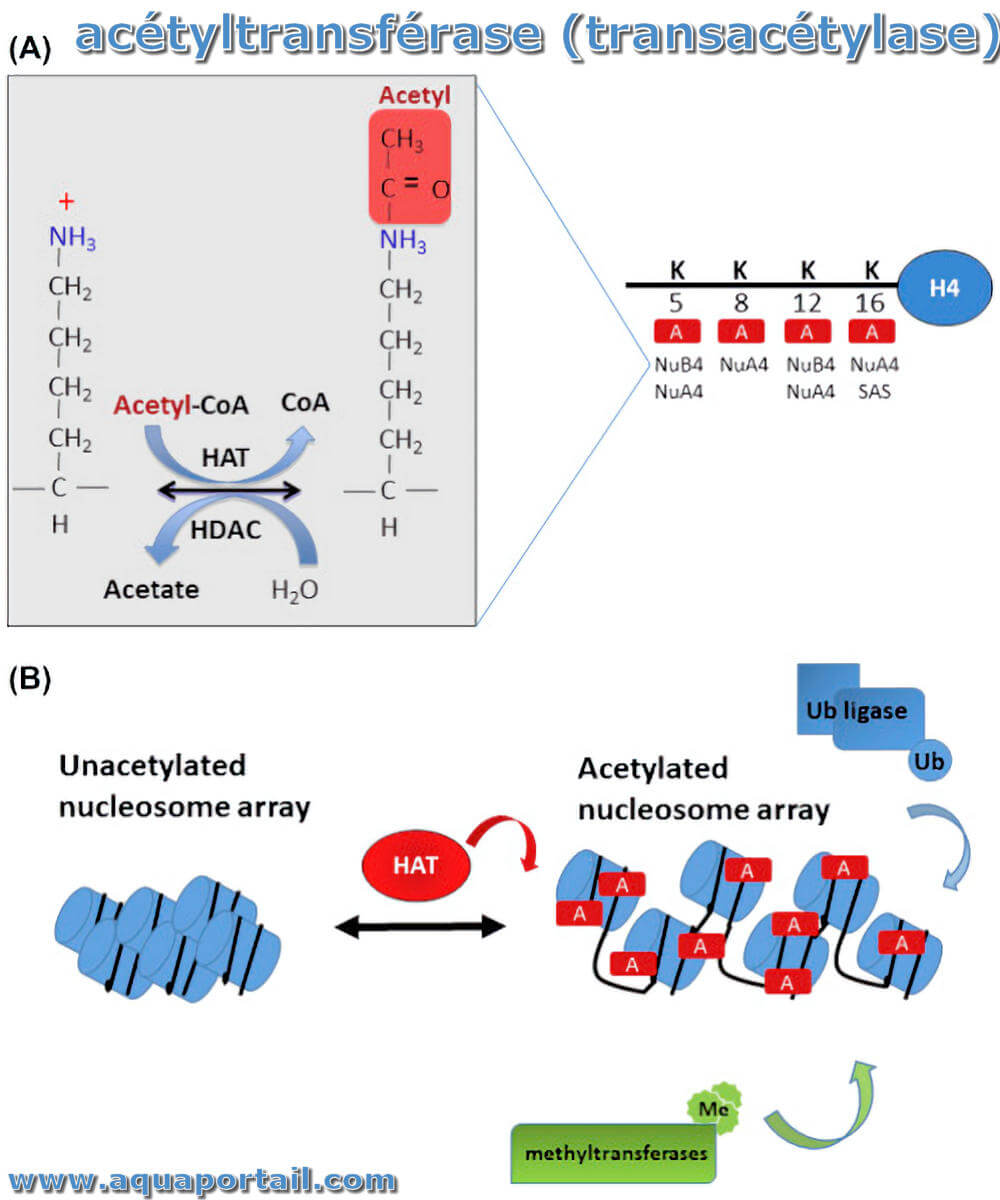
An acetyltransferase is an enzyme that transfers an acetyl group from acetyl-CoA to lysine amino acids.
