Antifungal
noun and adjective (n. / adj.)
Definition
An antifungal substance, or antimycotic, is used to prevent or treat diseases caused by fungi (mycetes). It acts by destroying fungi (fungicidal action) or inhibiting their growth (fungistatic action).
An antifungal exists against Candida albicans :

An antifungal can combat a fungus such as Candida albicans at various stages of development.
Explanations
Knowledge and use of antifungals are vitally important for treating many diseases. Although fungi have beneficial applications for humans, such as yeast in bread-making or the fermentation of cheeses, wines, and beer, they also include organisms capable of causing disease.
⭐ In addition to antifungals, see also fungicides, antimicrobials, and antibacterials (and bactericides).
Mechanism of action
Antifungals work by exploiting differences between mammalian and fungal cells to kill the fungal organism with fewer adverse effects on the host. Fungi and humans share a more recent common ancestor than bacteria. Consequently, fungal and human cells are biologically more similar, making it harder to discover drugs that target fungi without affecting human cells.
As a result, many antifungal drugs cause side effects.
Classification
Based on the Anatomical Therapeutic Chemical (ATC) classification system sponsored by the WHO, antifungals are divided into two broad groups: topical dermatological antifungals and systemic antifungals. Some antifungals appear in both groups because they can be administered both topically and systemically. Similarly, some of these drugs may be classified differently.
A compound may possess additional properties and also be included in the corresponding group. For example, ketoconazole can be found under D01AC08 (topical imidazole-derived antifungal), J02AB02 (systemic imidazole-derived antifungal agent), and G01AF11 (imidazole-derived urinary antiseptic).
✅ Herbal products are excluded from this classification, as are agents used exclusively in veterinary medicine.
Usage recommendations
The main issue with antifungals, as with other antimicrobial agents, is the potential development of resistance by the target organisms. Among fungi studied in mycology, three distinct forms of antifungal resistance are recognized, at least one of which depends on prior exposure of the fungi to the agents in question.
Thus, using inappropriate agents, incorrect dosages, or overly short treatment durations can promote changes in fungal characteristics, shifting them from susceptibility to resistance. And that is not all.
The similar chemical structure of many antifungals confers cross-resistance, meaning that a fungus resistant to one member of a class (for example, itraconazole, a triazole derivative) may also exhibit resistance to other drugs in the same class (for example, fluconazole, another triazole derivative).
hospital physicians deal with more complex, treatment-resistant infections and therefore take particular care to use antifungals—and antimicrobials in general—as judiciously as possible. For this reason, most hospitals establish protocols and guidelines governing antifungal use with the dual aim of curing disease as rapidly as possible and preventing the emergence of new resistance.
Similarly, as a general rule, most government agencies responsible for regulating human medicines have issued guidelines on antimicrobial prescribing.
History
Although scientific attempts to find substances effective against fungi date back many years, it was in the 1940s that research focused on benzimidazoles, yielding results from the 1960s onward. Other lines of research, based on substances produced by living organisms, LED to the discovery of amphotericin B in 1955 and its clinical use in humans from the late 1950s.
By demonstrating its efficacy, this compound became the benchmark for all subsequent antifungals, particularly since it could be administered parenterally.
From that point on, numerous novel compounds with antifungal properties were discovered. Most found a role primarily in topical therapy (clotrimazole, miconazole, or econazole, to name just the earliest in a long list), while some achieved broader significance due to parenteral administration, making them vital in treating previously fatal infections.
Thus, flucytosine emerged in the 1970s; ketoconazole in the 1980s; fluconazole and itraconazole in 1990, alongside improved formulations of older antifungals. During the early years of the 21st century, at least eight new drugs emerged or entered clinical investigation, and new classes are under study that may lead to the synthesis of improved antifungals.
Voriconazole, posaconazole, caspofungin, micafungin, and anidulafungin are drugs introduced in the 21st century—the first two as refinements of existing triazole core derivatives (itraconazole) and the latter three as echinocandin derivatives, which may constitute their own therapeutic class in the future.
Synonyms, antonyms
Spanish translation: antifúngico
1 synonym (similar meaning) for "antifungal":
1 antonym (opposite meaning):
Related words and expressions to ANTIFUNGAL are directly connected by general or specific meaning.
The word ANTIFUNGAL is listed on page 1 of words starting with A in the dictionary glossary.
Related to "antifungal"
abiotic

In biology and ecology, abiotic refers to what is not biotic, that is, not part of living beings.
aboral

Aboral refers to what is situated away from or opposite the mouth in zoology, and especially in marine biology.
absence

Absence refers to non-presence at an expected location, or the complete non-existence of something.
acetyltransferase
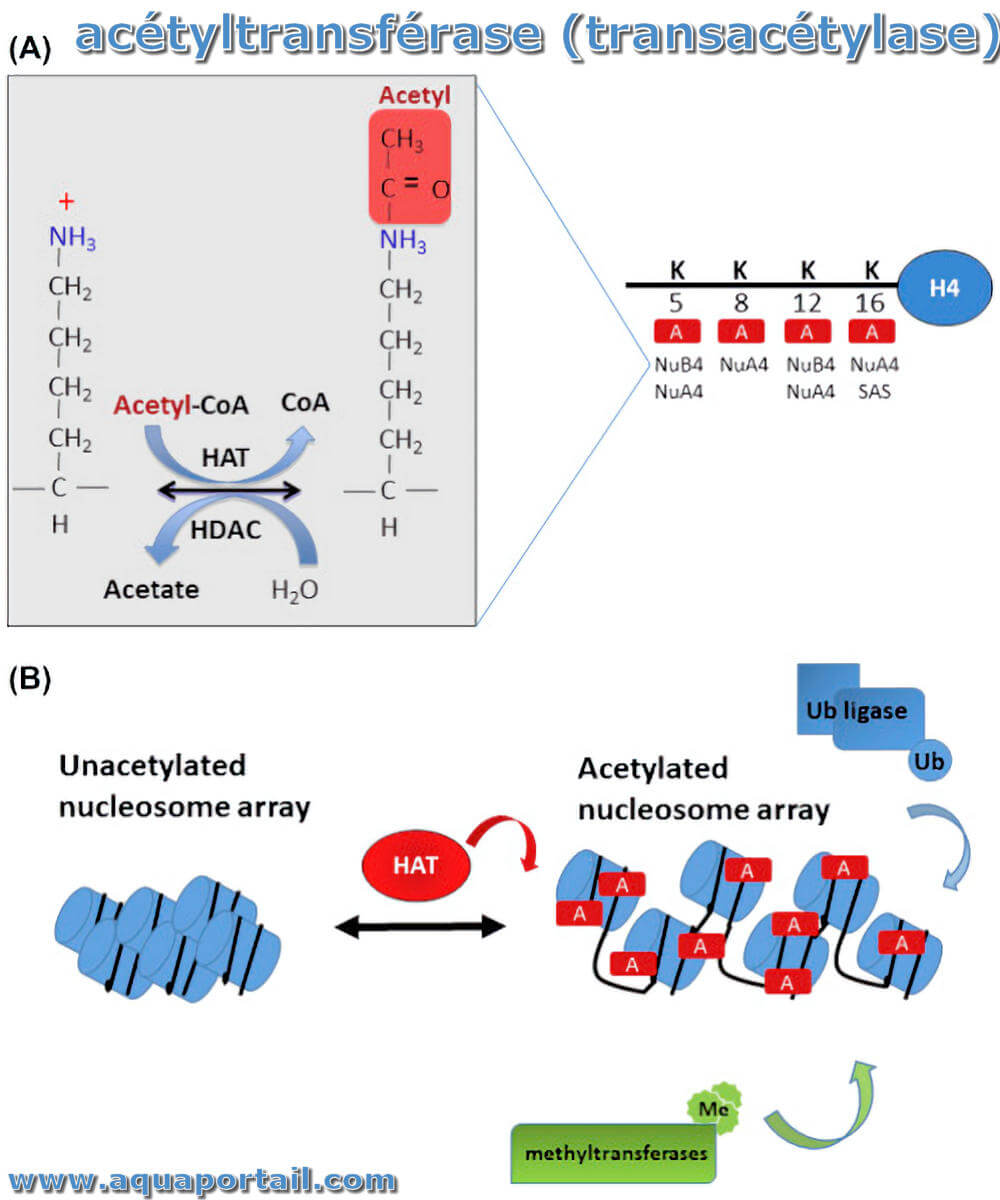
An acetyltransferase is an enzyme that transfers an acetyl group from acetyl-CoA to lysine amino acids.
