Phytotherapy
noun (n.)
Definition
Phytotherapy is the use of plant products for the prevention, treatment, or alleviation of a wide variety of symptoms and diseases. It is part of natural therapies based on medicinal plants for treating illnesses or maintaining psychophysical well-being.Phytotherapy loves natural medicinal plants:

Phytotherapy is a plant-based biomedicine; traditional medicine has used herbal remedies since time immemorial.
Explanations
Phytotherapy is an alternative plant-based medicine that does not use industrial pharmaceuticals, but rather medicinal plants to prevent or treat certain pathologies and diseases. It is a biomedical therapy relying on plants and their active principles, drawing on the principles of the officinal pharmacopoeia.
Often regarded as a gentle medicine, and sometimes equated with pseudomedicine, phytotherapy integrates herbalism with the study of botany and the use of plants intended for medicinal purposes or to supplement a diet. Plants have served as the basis for medical treatments throughout much of human history, and such traditional medicine is still widely practiced today. Homeopathy draws upon the principles of phytotherapy.
Modern medicine recognizes phytotherapeutic herbalism as a form of alternative medicine, as the practice of herbalism is not strictly based on evidence gathered through scientific methods. Modern medicine uses many plant-derived compounds as the basis for evidence-based pharmaceutical drugs. Although phytotherapy may apply modern efficacy testing standards to medicinal herbs and drugs derived from natural sources, there are few high-quality clinical trials and standardized norms for purity or dosage.
The scope of phytotherapy is sometimes extended to include mushroom and bee products, as well as minerals, shells, and certain animal parts.
Phytotherapy is undoubtedly the oldest form of medicine. Today, most medicines are manufactured from molecules extracted from plants, yet their traditional use is becoming increasingly popular. Phytotherapeutic products used by healthcare, food, cosmetic, and pharmaceutical industry professionals include a full range of dried plants in flakes or powder for herbal teas, poultices, extraction, capsules, or tablets.
General practices include the ancient methods of traditional Chinese medicine and Ayurveda. Practitioners of herbalism or phytotherapy are called herbalists or phytotherapists. Products used in herbalism may be called medicinal plants, botanicals and their extracts, natural health products, or herbal supplements.
Synonyms, antonyms
Spanish translation: fitoterapia
1 synonym (similar meaning) for "phytotherapy":
0 antonyms (opposite meaning).
Related words and expressions to PHYTOTHERAPY are directly connected by general or specific meaning.
The word PHYTOTHERAPY is listed on page 1 of words starting with P in the dictionary glossary.
Related to "phytotherapy"
herbalism
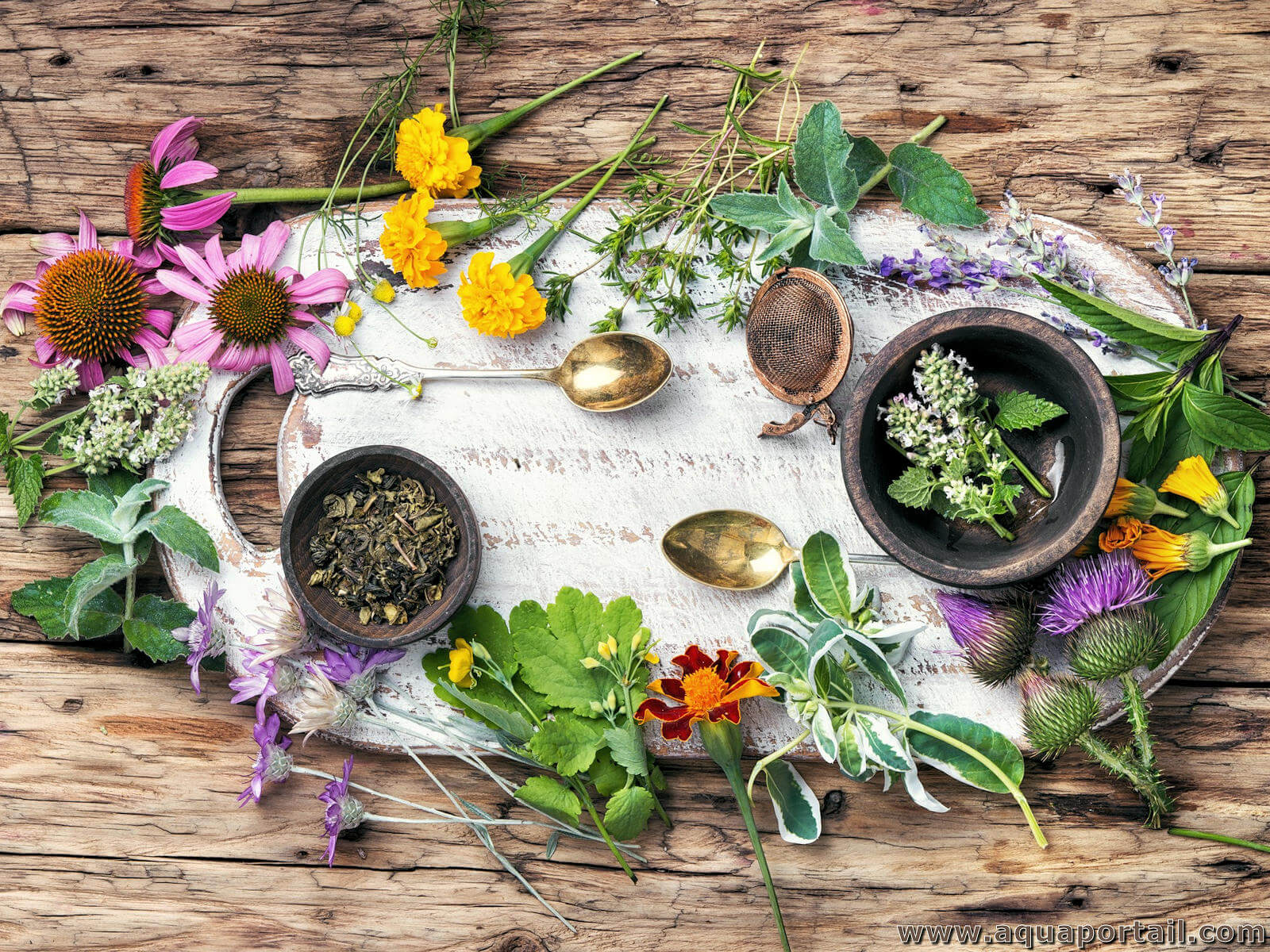
Herbalism is the study of the medicinal properties and applications of plants and their extracts, along with their commercialization.
phytodepuration

Phytodepuration (constructed wetland water treatment) is a natural method for treating domestic, agricultural, and occasionally industrial wastewater.
phytoncide
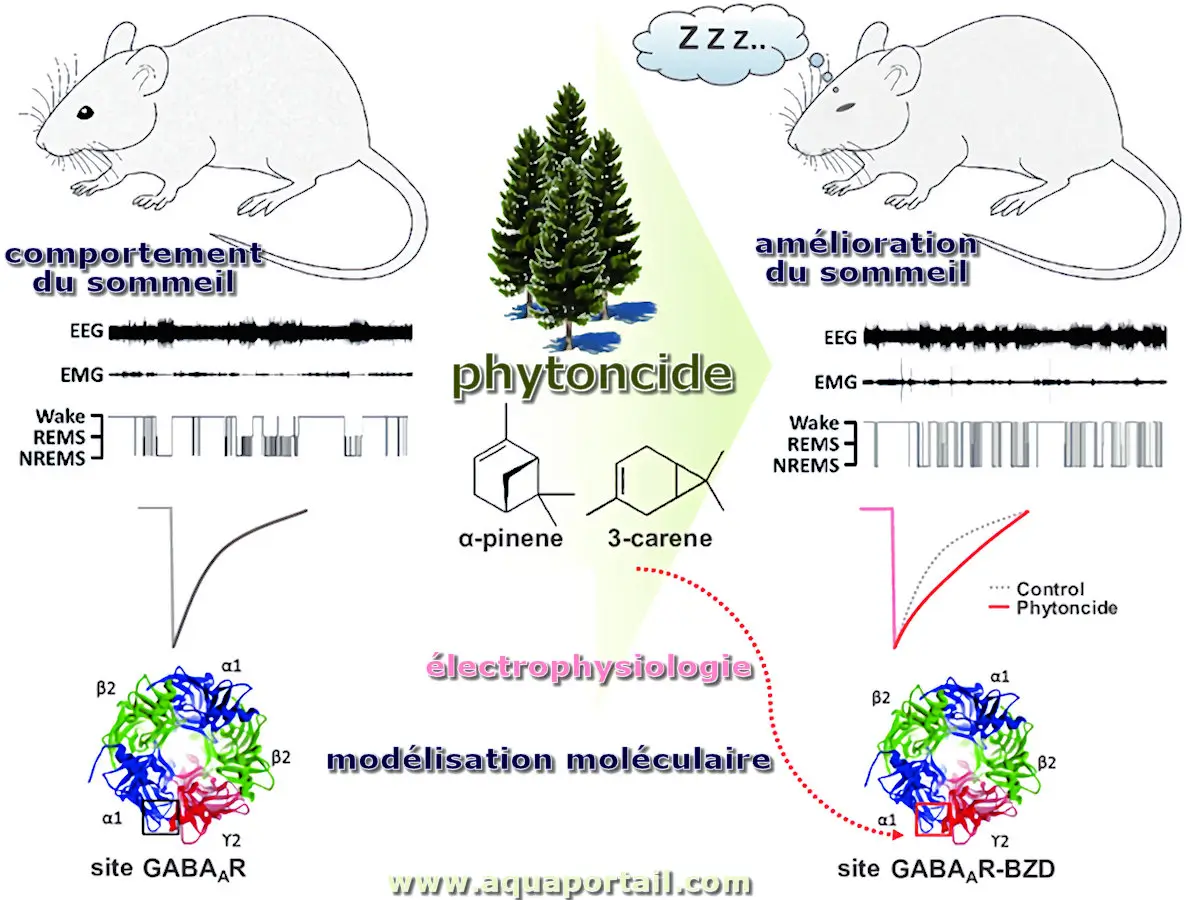
Phytoncides are natural volatile organic compounds released by trees and plants to protect themselves against bacteria, fungi, and herbivorous insects.
phytophagous

A phytophagous organism (animals, insects, and bacteria) feeds predominantly on plant matter.
