Phytodepuration
noun (n.)
Definition
Phytodepuration (constructed wetland water treatment) is a natural method for treating domestic, agricultural, and occasionally industrial wastewater. This biopurification process relies on macrophyte and helophyte plants together with filtering substrates arranged in shallow artificial basins.Phytodepuration goes further than basic phytoremediation:

Phytodepuration is a specialized form of phytoremediation and wetland water cleanup, widely used in lagooning with macrophyte filters for natural swimming pools, for example.
Explanations
Phytodepuration is a natural method for stabilizing the physicochemical parameters of freshwater in a basin by purifying the water through cleansing plants. It consists of treating aquatic wastewater using macrophyte plants and filtering substrates hosting phytostabilizing and biodegrading microorganisms within shallow engineered basins.
🚩 Unlike simple phytoextraction, phytodepuration goes beyond pollutant immobilization by also significantly reducing pathogen loads, often through lagooning or reed-bed wetland filtration.
Phytodepuration replicates the natural self-purification processes characteristic of aquatic ecosystems and wetlands.
Water
Numerous aquatic plants—primarily hydrophytes and helophytes—are employed in phytodepuration as purifying plants. Beyond their pollutant-removing capacity, they are perennial and emergent, growing along gently sloping banks of marshes or shallow ponds.
Purifying plants, exposed to abundant sunlight, enhance bacterial activity and oxygenation; biological oxidation takes place and organic matter is broken down.
Commonly used species include bulrushes/spikerushes such as common spikerush, sedges (Carex), papyrus sedges, rushes, reeds, cattails, and even yellow flag iris in temperate regions. Certain trees, notably willows, are also suitable for phytostabilization and rhizostimulation around the perimeter of artificial basins, while hornworts and elodea work well in smaller water volumes.
Air
Atmospheric air phytodepuration is a complementary application involving the biopurification of volatile indoor air pollutants via the foliage and root substrate of fast-growing green plants.
Origin
The etymology of the term (phyto = plant) might suggest that plants are the sole agents of purification; in reality, plants play the foundational role of creating a favorable habitat and oxygen supply for attached and suspended bacterial communities, which act as the primary drivers of biological purification.
Internationally, phytodepuration facilities are known as constructed wetlands and may be deployed either as secondary treatment—serving as the core biological purification step downstream of primary settling—or as tertiary polishing treatment downstream of conventional wastewater treatment plants.
Types
Phytodepuration systems can be classified according to the growth form of the aquatic plants employed:
- microphyte systems (unicellular microalgae);
- free-floating macrophyte aquatic systems;
- submerged rooted macrophyte systems;
- emergent rooted macrophyte systems.
Emergent macrophyte systems are further classified based on the hydraulic flow path of the wastewater:
- surface-flow or free water surface systems (Free Water Surface, FWS);
- subsurface-flow systems (Subsurface Flow System, SFS), subdivided into:
- horizontal subsurface flow systems (SFS-H);
- vertical subsurface flow systems (SFS-V).
The phytodepuration systems most widely used for domestic wastewater treatment are emergent rooted macrophyte systems, and among these, subsurface flow systems have seen the broadest adoption due to their superior efficiency:
- the filter medium in subsurface flow systems provides a far larger surface area for purifying microorganisms than free water surface systems, resulting in faster treatment kinetics and a smaller land footprint for the facility than FWS systems treating equivalent wastewater volumes.
- In subsurface flow systems, the water level below the gravel surface and the accumulation of plant litter on top of the filter bed provide superior thermal insulation in winter compared with FWS systems.
- In subsurface flow systems, the risk of odors or insect (mosquito) breeding is minimal, allowing facilities to be sited close to residential and urban areas with seamless landscape integration.
Free water surface systems remain valuable for large-scale flows and tertiary polishing applications.
Synonyms, antonyms
Spanish translation: fitodepuración
4 synonyms (similar meaning) for "phytodepuration":
- biopurification
- bioremediation
- lagooning
- purification
1 antonym (opposite meaning):
Related words and expressions to PHYTODEPURATION are directly connected by general or specific meaning.
The word PHYTODEPURATION is listed on page 1 of words starting with P in the dictionary glossary.
Related to "phytodepuration"
bio-purification
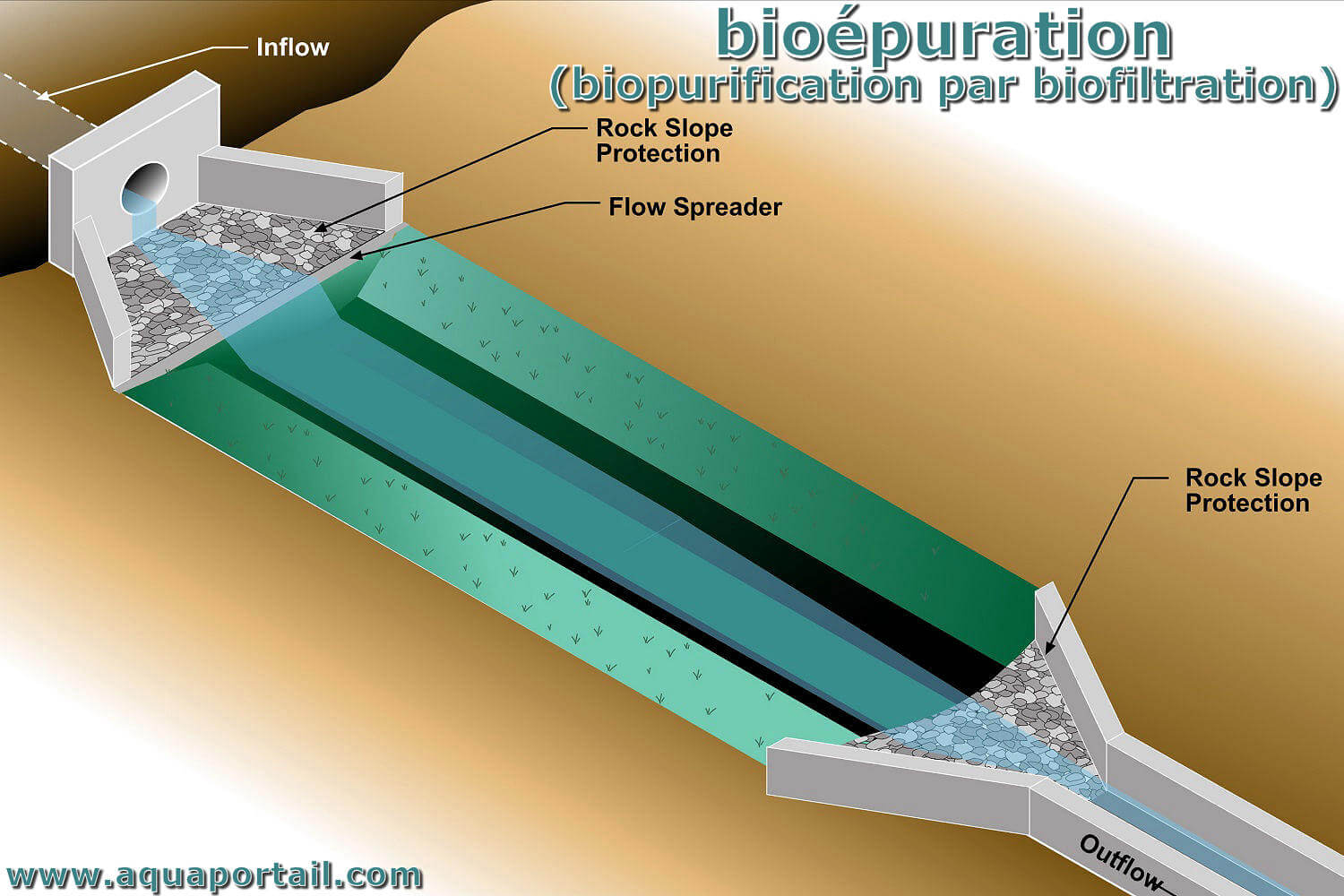
Bio-purification (biodepuration) refers to harnessing living organisms—such as plants, fungi, and symbiotic bacteria—to reduce pollution in an environment.
remediation

Remediation (pollution cleanup) is the process or result of removing pollutants from an environment.
phytoncide
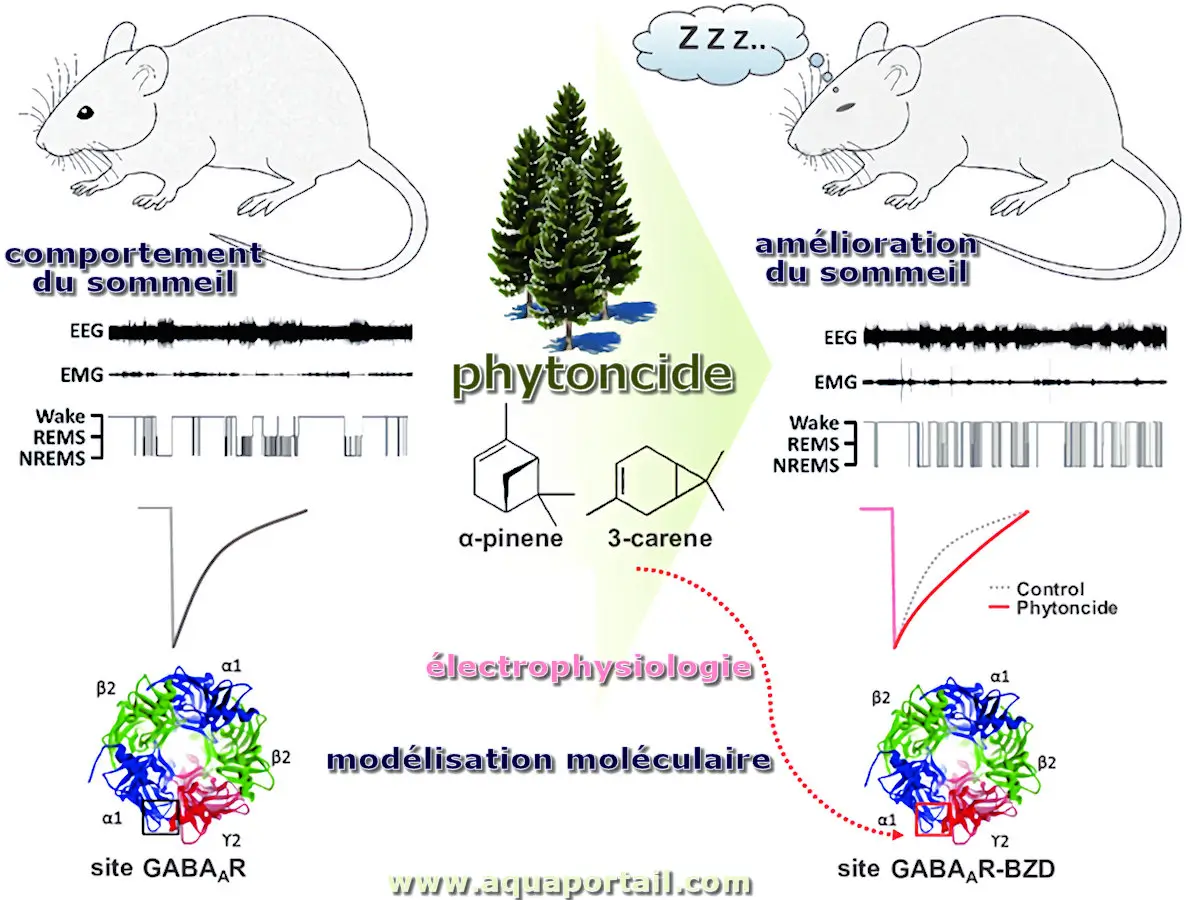
Phytoncides are natural volatile organic compounds released by trees and plants to protect themselves against bacteria, fungi, and herbivorous insects.
phytophagous

A phytophagous organism (animals, insects, and bacteria) feeds predominantly on plant matter.
