Insect
noun (n.)
Definition
An insect is a small invertebrate arthropod of the class Insecta. Its body consists of three tagmata—head, thorax, and abdomen—encased in a chitinous exoskeleton. Insects are characterized by one pair of antennae, three pairs of legs, and typically two pairs of wings that may be reduced or absent.
An insect on a flower:

Many insects are pollinators, like this bee gathering nectar and pollen from a flower.
Explanations
Insects generally possess three pairs of jointed legs and one pair of antennae. Most are winged; when wings are absent, the insect is termed apterous (wingless).
Insects form a class of invertebrate animals (Insecta) within the phylum Arthropoda, and the scientific study of insects is called entomology.
An organism that feeds on insects is insectivorous, while a substance that kills insects is an insecticide. Entomologists study insects through entomology, a major branch of zoology.
Description and diversity
There is an enormous diversity of species, including aquatic insects such as diving beetles, water scorpions, and water bugs, such as Nepa cinerea.
Not only are insects extraordinarily diverse, they are also staggeringly abundant. Some ant colonies number millions of individuals, and scientists estimate there are millions of ants for every human on Earth. In the Amazon rainforest, there are an estimated 60,000 insect species and up to 3.2 × 10⁸ individuals per hectare, with roughly 200 million insects estimated per human globally.
The insect life cycle progresses through successive growth stages separated by molts and typically involves complete or incomplete metamorphosis.
spiders, scorpions, and mites are not insects, but arachnids; among other differences, they possess eight legs (four pairs) and lack antennae.
Insects inhabit nearly every climate and virtually all terrestrial and freshwater habitats, with a few specialized species adapted to marine or coastal environments otherwise dominated by crustaceans.
Terrestrial arthropods such as centipedes, millipedes, scorpions, and spiders are sometimes confused with insects due to their jointed exoskeletons, yet are easily distinguished: insects have three pairs of legs and one pair of antennae, spiders and scorpions have four pairs of legs and no antennae, and myriapods (centipedes and millipedes) bear numerous pairs of legs.
Ecology
Insect diets span phytophagous, zoophagous (predatory or parasitic), detritivorous, and omnivorous habits. Many insects serve as vital pollinators, others are agricultural pests or disease vectors, a few are used in medicine, and many edible species (entomophagy) provide an excellent source of animal protein.
Their ecological role in sustaining biodiversity is so vital that people build insect hotels to shelter and conserve them.
Insects interact with humans in countless ways: some compete directly for crops (aphids, weevils...) and timber (bark beetles), while others pose major public health challenges as vectors of serious infectious diseases.
Conversely, many insects are ecologically and economically beneficial as natural predators, pollinators (bees, wasps, bumblebees, hoverflies, butterflies...), producers of valuable commodities (honey, beeswax, silk, etc.), detritivores, and a food source for wildlife and humans alike (crickets, locusts...).
Brachyptery refers to the condition of reduced, non-functional wings occurring in certain insects (notably island, montane, or seasonal morphs).
Synonyms, antonyms
Spanish translation: insecto
14 synonyms (similar meaning) for "insect":
- aphid
- arthropod
- bee
- bug
- butterfly
- fly
- grasshopper
- imago
- Insecta
- invertebrate
- locust
- mosquito
- true bug
- wasp
0 antonyms (opposite meaning).
Related words and expressions to INSECT are directly connected by general or specific meaning.
The word INSECT is listed on page 1 of words starting with I in the dictionary glossary.
Related to "insect"
arthropod
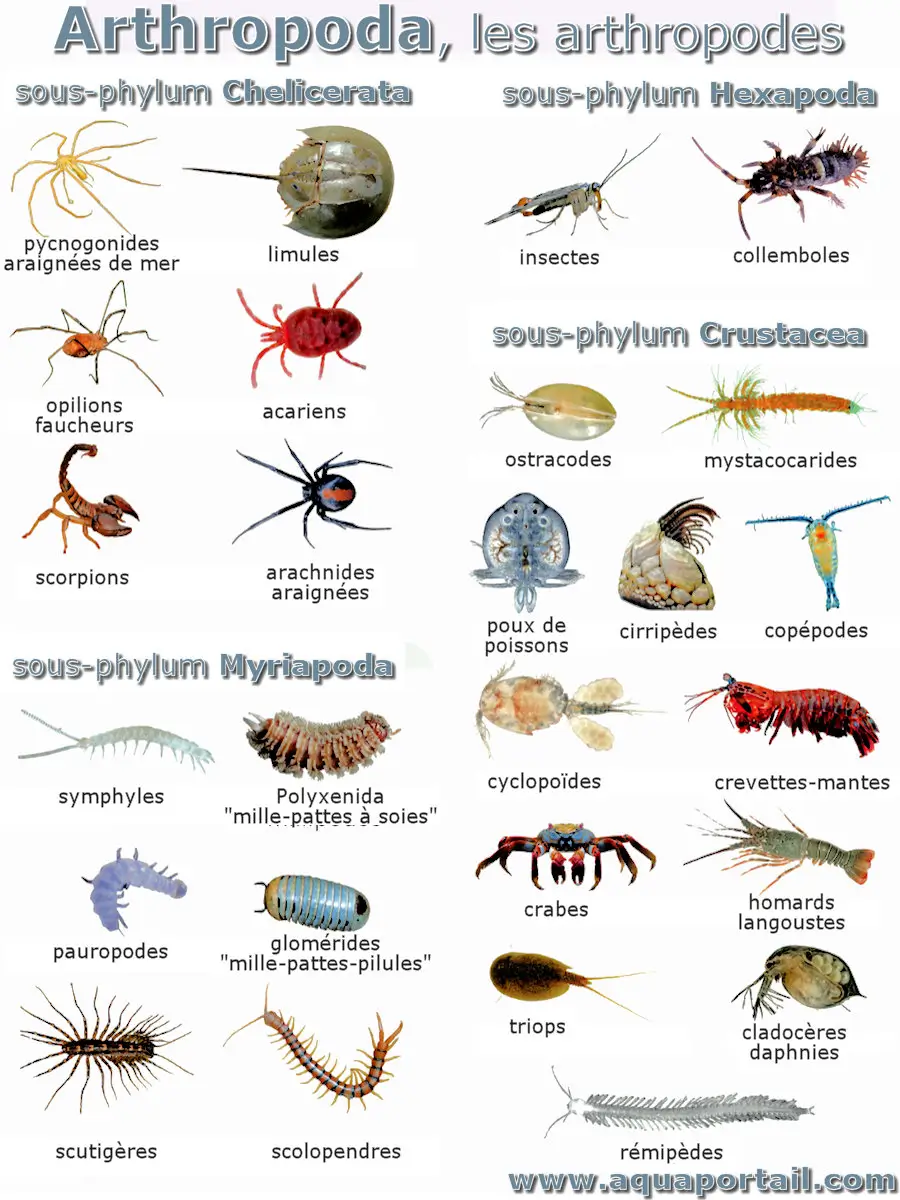
An arthropod is an invertebrate animal of the phylum Arthropoda, which is the most diverse in the animal kingdom, including insects, spiders, crustaceans...
ice sheet
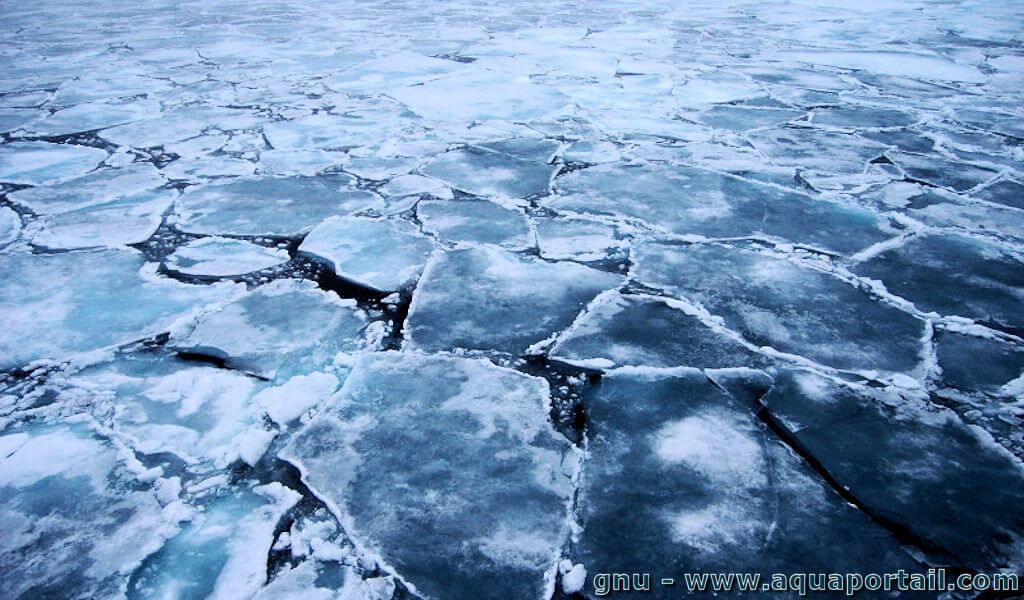
An ice sheet constitutes vast, very thick glacial expanses covering a large terrestrial surface area, such as the Antarctic ice sheet for example.
ichthyologist

An ichthyologist is a scientist who studies fish in the field of ichthyology. They conduct research and fieldwork on fishes across all aquatic environments.
illuvium

An illuvium is material displaced through a soil profile, from one layer to another, by the action of rainwater.
Simple summary
An insect is a small arthropod (class Insecta) characterized by a segmented body divided into three main parts: the head (cephalon), thorax, and abdomen. It typically has six legs, one pair of antennae, and—unless wingless—one or two pairs of wings.
