Intestine
noun (n.)
Definition
The intestine is the part of the digestive tract, composed of the colon and the small intestine and located between the stomach (pylorus) and the anus (rectum), that forms the largest portion of the digestive tract in higher animals.
Details of human intestines:

The intestine is the final part of the digestive system. It appears as a flexible-walled tube of variable diameter, folded upon itself several times. The intestine is divided into two main parts: the small intestine and the large intestine.
Explanations
The intestine measures about 5.5 to 7.5 meters (18 to 24.6 ft) long in an adult human and has a surface area of about 32 m2 (344 sq ft) due to fine intestinal villi. Together with the mouth, esophagus, and stomach, the intestines form the gastrointestinal tract. Motility differs between the small intestine and the large intestine. The intestine participates in intestinal transit.
The primary function of the intestine is to absorb nutrients and water ingested during feeding. All the microorganisms within the intestine constitute the intestinal flora (gut microbiota).
Two parts
The intestine is subdivided into two parts: the small intestine and the large intestine (large bowel):
- The small intestine is a narrow tube running from the stomach to the large intestine and is divided into three parts: the duodenum, jejunum, and ileum. The duodenum measures about 25 cm (10 in) long and leads into the 2.5-meter (8.2-ft) jejunum, which continues into the 3.5-meter (11.5-ft) ileum. Because the jejunum and ileum have a very similar structure and follow one another continuously, they are sometimes referred to together as the jejunoileum. The ileum ends at the ileocecal valve, which connects it to the colon.
- The large intestine (colon and cecum) is a slightly wider tube than the small intestine. It measures about 1.5 meters (5 ft) long and runs from the ileocecal valve connecting it to the small intestine all the way to the anus. It is divided into several parts: cecum, vermiform appendix, ascending colon, transverse colon, descending colon, sigmoid colon, rectum, and anus.
Functions
Most nutrient absorption takes place through the wall of the small intestine. To increase absorptive surface area and facilitate the process, the mucosa has small projections called intestinal villi, each containing tiny folds called microvilli. Each villus contains blood vessels and lymphatic vessels through which absorbed substances pass into the bloodstream and lymph and are distributed to other parts of the body.
Among other functions, the large intestine reabsorbs water, compacting waste into feces that are expelled through the anus during defecation. Inside the large intestine, there is a vast number of beneficial bacteria known as gut flora, which synthesize vitamin K and certain B vitamins.
✅ The functions of the intestine can be summarized as:
- Digestion and absorption of nutrients.
- Regulation of fluid balance.
- Training of a large portion of the immune system's defense cells.
- Production of hormones and chemical messengers.
Intestinal wall
The intestinal wall displays the typical three-layered structure of a membranous muscular tube. The interior is lined with a mucosa, the mucous membrane. There is a two-layered muscular coat consisting of an inner circular ring and an outer longitudinal muscle layer. The submucosal plexus lies between the mucosal layer and the muscle, while the myenteric plexus (Auerbach's plexus, both part of the enteric nervous system) lies between the two muscle layers. Depending on the location of the intestinal segment, either the serosa or the adventitia forms the outermost layer enclosing the organ.
Motility of the small intestine
When food leaves the stomach, it is transformed into a semi-liquid mass called chyme. Chyme passes through the small intestine over roughly 4 to 6 hours. During this time, it is mixed with pancreatic secretions that produce various enzymes enabling digestion. The progression of chyme occurs thanks to active intestinal movements driven by coordinated smooth muscle contractions in its wall. These movements are of several types:
- Segmentation: successive contractions and relaxations lasting about 5 seconds affecting a segment of the intestinal wall, serving a mixing function.
- Peristalsis: waves of contraction that travel along the intestine and propel its contents from the proximal end to the distal end.
Motility of the large intestine
The time food remains in the large intestine varies, averaging around 15 hours. There are several types of wall movements, primarily the following:
- Mass movements: peristaltic movements that propel contents through the various parts of the colon toward the anus.
- Segmentations: occurring several times per minute, allowing prolonged contact between contents and the mucosa.
- Emptying: distension of the rectum triggers a reflex movement that expels stool through the anus.
Medical examination of the intestine
The intestine is partially palpable and audible. Additional diagnostic options include ultrasound examination, contrast agent studies, colonoscopy, and computed tomography (CT) or magnetic resonance imaging (MRI). Furthermore, an endocapsule with a swallowable mini-camera can be used to examine the small and large intestines.
Further diagnostic information can be obtained from stool examination, tissue sampling, and blood tests.
Pathology
Normal intestinal physiology is disrupted by potential disorders affecting motility or secretion, which are mainly caused by duodenal ulcers and malabsorption. Vascular lesions are caused by thrombotic occlusions of branches of the superior mesenteric artery (also by strongyles) and by a dissecting aortic aneurysm.
The small intestine is affected by occlusions or vascular lesions, whereas the large intestine is affected by tumors and megacolon—that is, an innervation defect of Auerbach's and Meissner's plexuses with dilation of the segment above the innervated zone, often also resulting from trypanosomiasis (a parasitic disease caused by a trypanosome amplified by phospholipases).
Among the various types of occlusions are:
- Volvulus, strangulation or twisting of a loop, causing ischemia or infarction.
- Intussusception, where a terminal portion of a proximal loop telescopes into a distal loop, causing distal ischemia and necrosis, particularly of thin vessels.
- Adhesive bands, which prevent food propulsion and cause pain (often following peritonitis).
- Hernias, umbilical and scrotal.
- Excess gas, which in addition to impeding normal flow sometimes involves the presence of toxic substances in the bloodstream.
Synonyms, antonyms
Spanish translation: intestino
4 synonyms (similar meaning) for "intestine":
- bowel
- colon
- large intestine
- small intestine
0 antonyms (opposite meaning).
Related words and expressions to INTESTINE are directly connected by general or specific meaning.
The word INTESTINE is listed on page 1 of words starting with I in the dictionary glossary.
Related to "intestine"
ice sheet
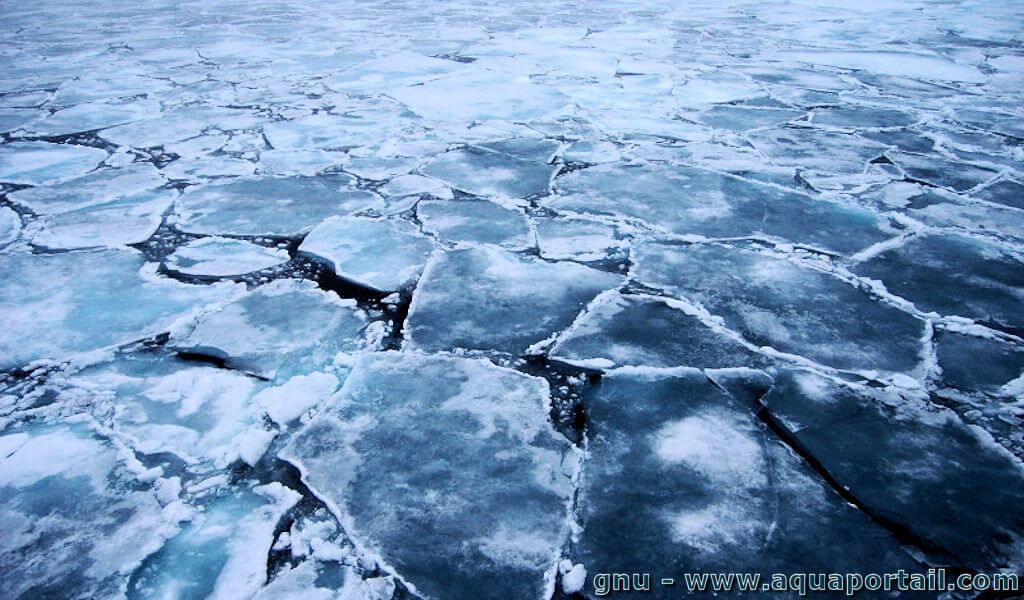
An ice sheet constitutes vast, very thick glacial expanses covering a large terrestrial surface area, such as the Antarctic ice sheet for example.
ichthyologist

An ichthyologist is a scientist who studies fish in the field of ichthyology. They conduct research and fieldwork on fishes across all aquatic environments.
illuvium
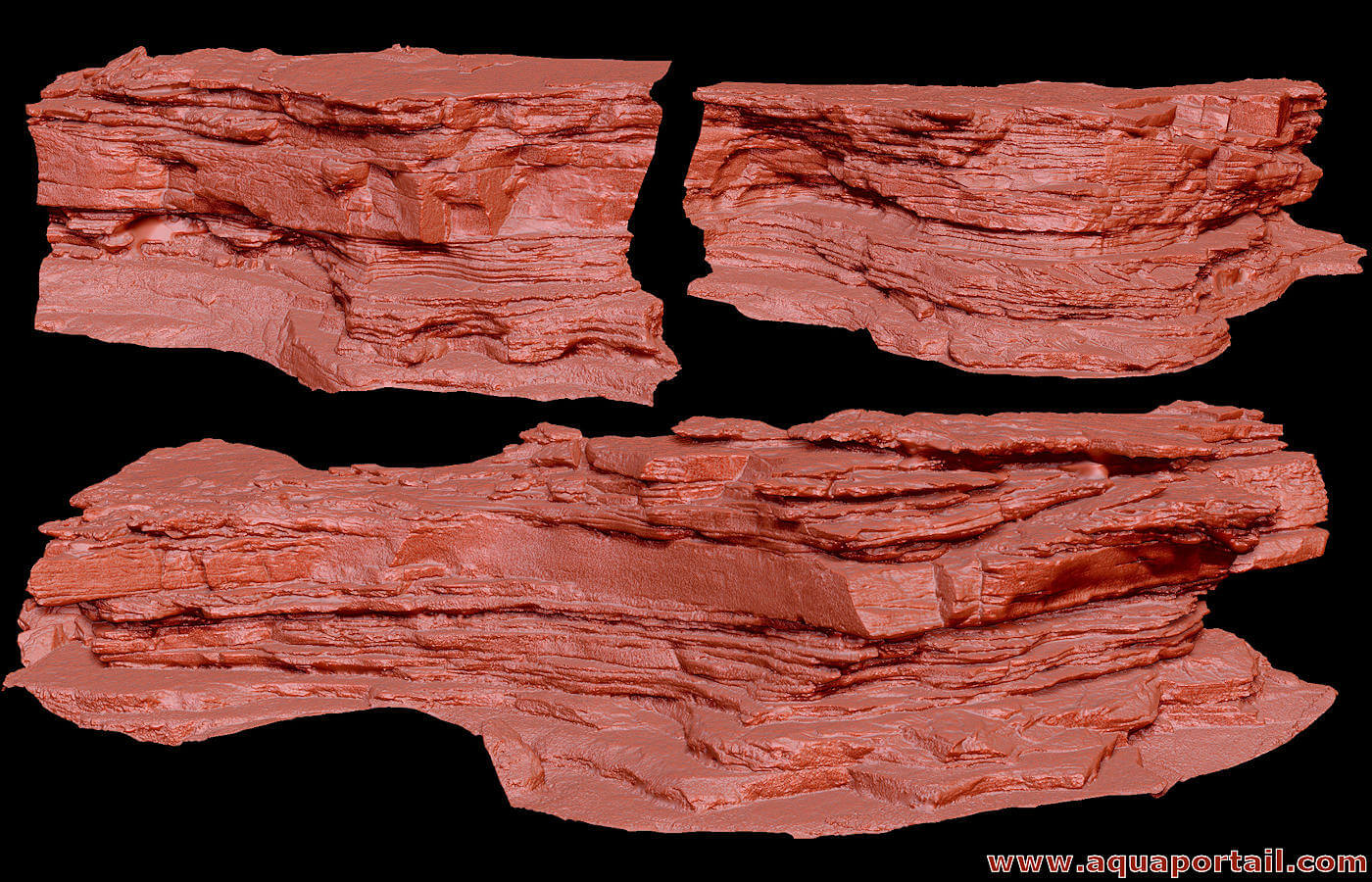
An illuvium is material displaced through a soil profile, from one layer to another, by the action of rainwater.
incubation

Incubation is the process by which certain oviparous and ovuliparous animals brood their eggs.
