Membrane
noun (n.)
Definition
A membrane is a thin, soft, flexible sheet or layer, particularly of a plant or animal part (cell, tissue, or organ). The membrane acts as a selective barrier separating and isolating two regions.
The membrane of a cell:
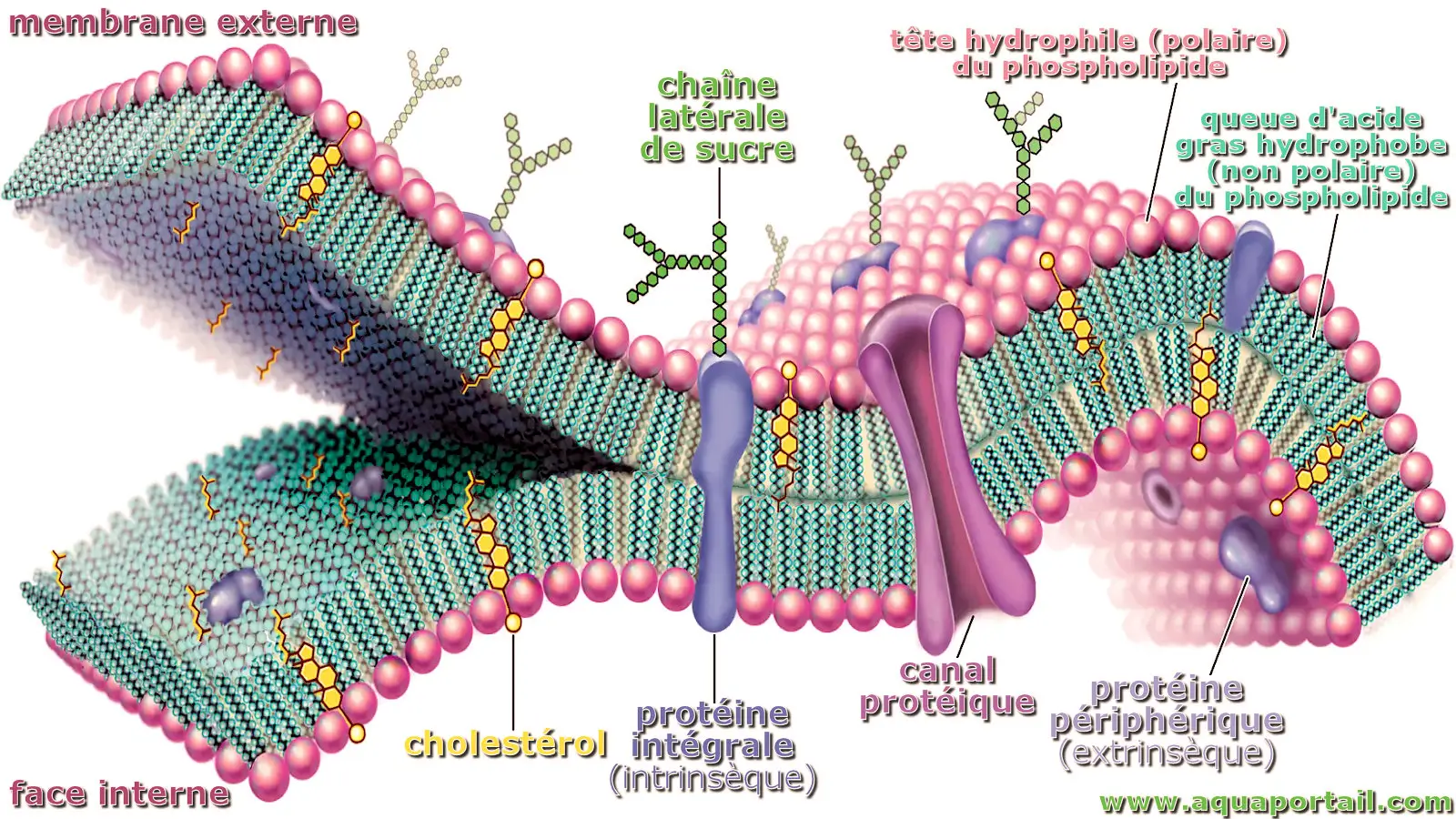
A membrane is a selective barrier separating two environments and regulating the passage of substances between them. In biology, the term generally refers to a thin, flexible layer of lipids and proteins surrounding cells or organelles, maintaining their structural integrity while controlling the movement of ions, molecules, and other compounds to facilitate cellular processes.
Explanations
In general, a membrane is a thin sheet of pliable material forming a barrier or lining. The cell membrane regulates inward and outward fluxes of the cell, a property known as selective permeability.
In cell biology, the membrane is the microscopic double layer of lipids and proteins that bounds cells and organelles and forms structures within cells. This semipermeable lipid bilayer regulates the transport of substances entering and leaving the cell.
A cell membrane:

A membrane is a thin, film-like partition separating two fluids, acting either as a selective barrier or as a separating structure. It provides protection.
Body membranes are thin layers of tissue that cover the body, line body cavities, and cover organs located in the cavities of hollow organs. The two main categories of body membranes are epithelial membranes and connective tissue membranes. Subcategories include mucous membranes, serous membranes, synovial membranes, and meninges.
⭐ A membrane has two functions: first, to be a barrier preventing unwanted elements and substances from entering, and second, to be a gate allowing selective transport of elements.
Membranes are also called mucous membranes (mucosae), lining body cavities open to the exterior. For example, the entire digestive tract is lined with mucous membranes. The respiratory, excretory, and reproductive tracts can also be cited.
✅ The phenomenon of reverse osmosis uses a semipermeable membrane that filters out up to 99.99% of impurities from water.
Synonyms, antonyms
Spanish translation: membrana
7 synonyms (similar meaning) for "membrane":
0 antonyms (opposite meaning).
Related words and expressions to MEMBRANE are directly connected by general or specific meaning.
The word MEMBRANE is listed on page 1 of words starting with M in the dictionary glossary.
Related to "membrane"
bipartition

Bipartition is the division into two parts, such as multiplication by binary fission or dichotomy.
operculum
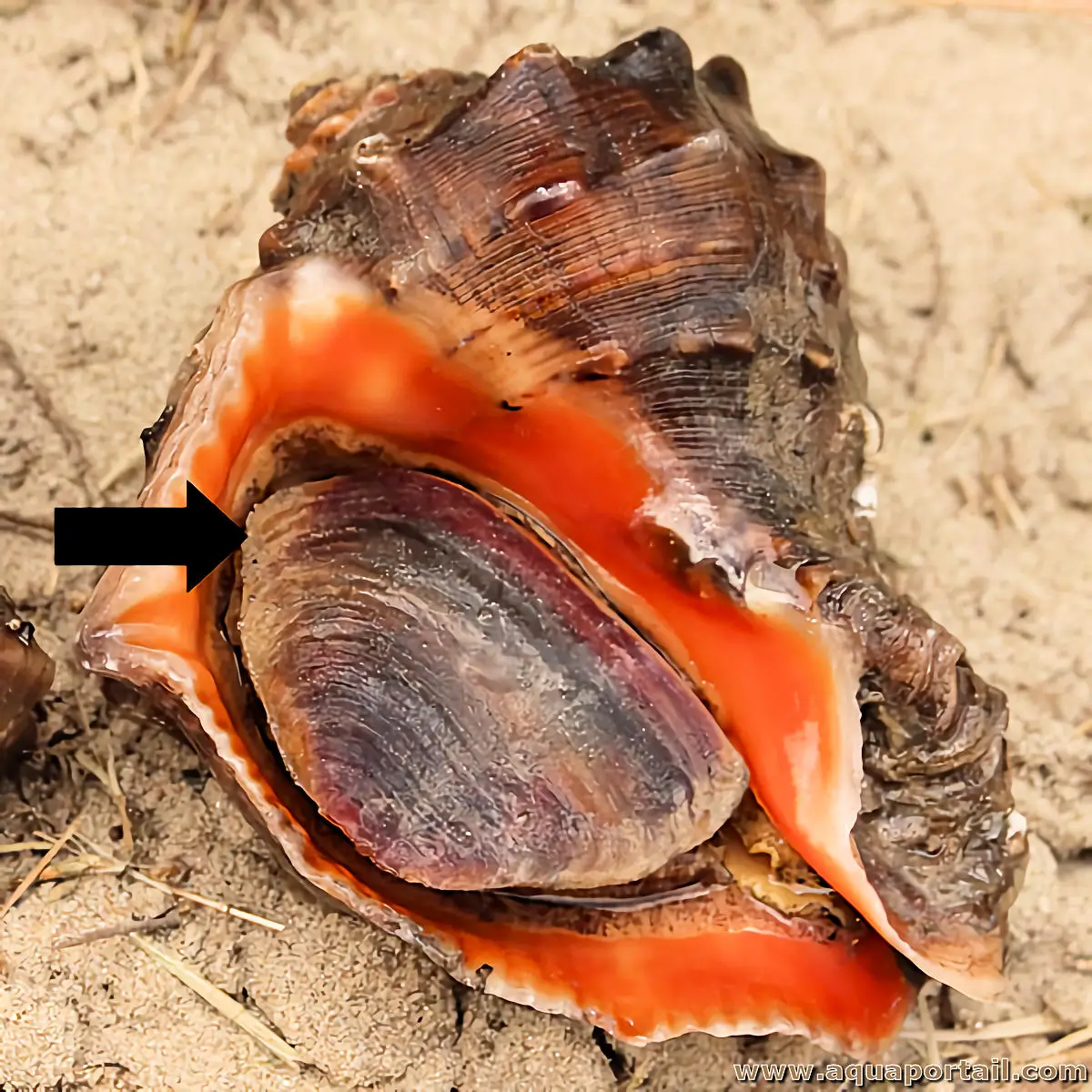
An operculum is a structure characteristic of fish and larval amphibians that covers the gills, leaving only a posterior opening or gill slit.
madrepore

A madrepore (Madrepora) is a marine animal of the group of scleractinian corals possessing an external skeleton, typically an acropora and encompassing...
mangrove

A mangrove is a coastal salt-marsh biotic zone comprising specific plants, mangrove trees, and plant associations that grow in the intertidal zone...
Simple summary
A membrane is a thin layer of flexible material that separates, covers, or protects substances or structures. In biology, the membrane often refers to a structure composed of phospholipids and proteins surrounding cells or organelles and regulating the exchange of substances between the inside and outside of the cell. Membranes can also exist in non-living systems, such as synthetic filters or barriers used in various applications.
