Mesoglea
noun (n.)
Definition
Mesoglea is an extracellular gelatinous matrix found in cnidarians and ctenophores. It lies between the outer epithelium (epidermis) and the inner epithelium (gastrodermis) lining these animals. Mesoglea is comparable to the mesohyl of sponges, generally contains amoeboid cells, and functions like a connective tissue.A complete mesoglea layer of a jellyfish:

Mesoglea, such as that of a jellyfish, is mostly water without autonomous cellular life of its own, consisting of a gelatinous substance found between the two epithelial cell layers in the body of coelenterates.
Explanations
Mesoglea (analogous to the mesohyl in sponges) refers to a translucent, gelatinous extracellular substance located between the endoderm and ectoderm in cnidarians and ctenophores, forming the middle gelatinous layer of the body wall in coelenterates.
In diploblasts, mesoglea separates the ectoderm and endoderm; it is primitively acellular (anhistous) but secondarily colonized by various types of nerve or muscle cells. Aside from water, mesoglea consists of several substances, including fibrous proteins such as collagen and heparan sulfate proteoglycans.
Mesoglea is primarily acellular, though in cnidarians and ctenophores it contains muscle bundles and nerve fibers. Additional nerve and muscle cells lie just beneath the epithelial layers. Mesoglea also contains wandering amoebocytes that play a role in phagocytosing debris and bacteria; these cells also fight infections by producing antibacterial compounds. Mesoglea may be thinner than a single cell layer in small coelenterates (such as hydras) or may constitute the bulk of the body in large jellyfish. It serves as an internal hydrostatic skeleton supporting the body, and its elastic properties help restore shape after deformation by muscle contraction.
However, without the buoyancy of surrounding water for support, mesoglea is not rigid enough to bear the body's weight, and coelenterates collapse when removed from water. See coral anatomy.
Mesoglea consists of 98% water, along with collagens, mucopolysaccharides, and glycoproteins. Migratory cells, mainly epidermal but also gastrodermal, form a network of fibrils (microfibrils) in certain taxa. In true jellyfish (Scyphozoa) and anthozoans (Anthozoa), mesoglea is generally very voluminous, whereas it forms only a thin supporting lamella in hydrozoans. In jellyfish and ctenophores, mesoglea also plays a role in buoyancy and structural support.
By comparison, the body wall of a poriferan (sponge) consists of a mesohyl containing spicules, choanocytes, sclerocytes, pinacocytes, porocytes, amoebocytes, and oocytes, bounded by the choanoderm and pinacoderm.
Synonyms, antonyms
Spanish translation: mesoglea
2 synonyms (similar meaning) for "mesoglea":
0 antonyms (opposite meaning).
Related words and expressions to MESOGLEA are directly connected by general or specific meaning.
The word MESOGLEA is listed on page 1 of words starting with M in the dictionary glossary.
Related to "mesoglea"
tunic
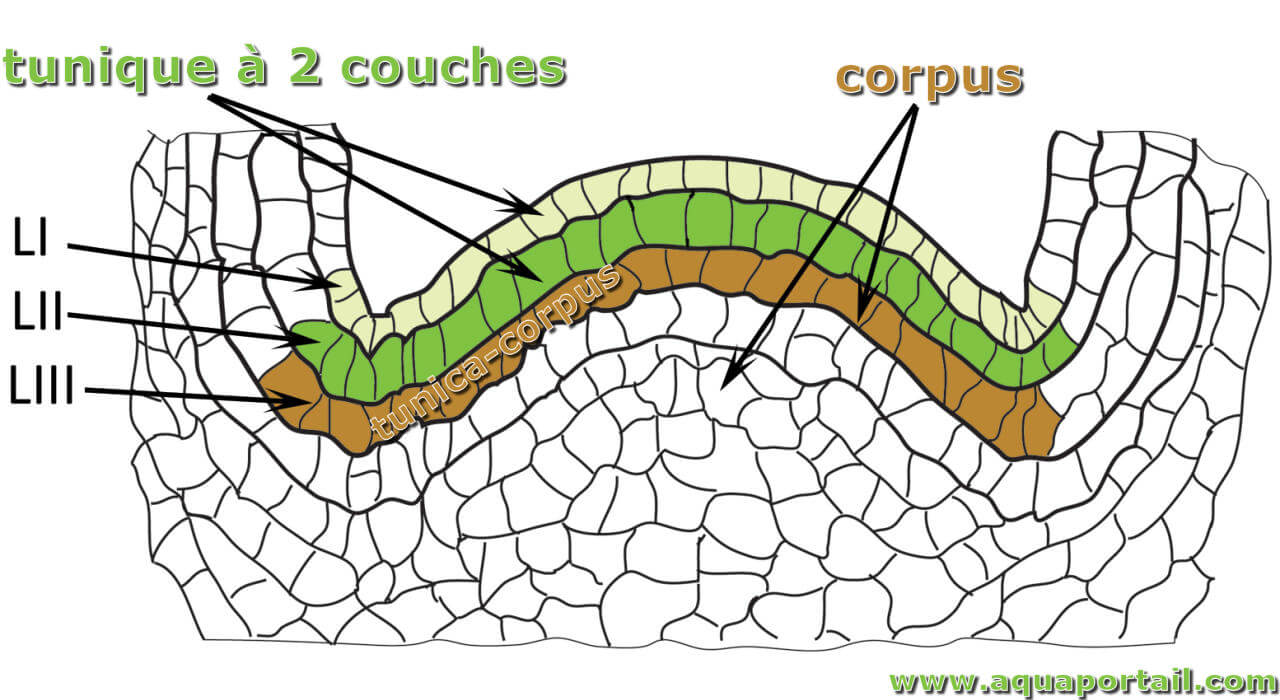
In invertebrates, the tunic is the external covering (cellulosic integument) of tunicates, serving protective and supportive functions, composed of water...
mesogastropod
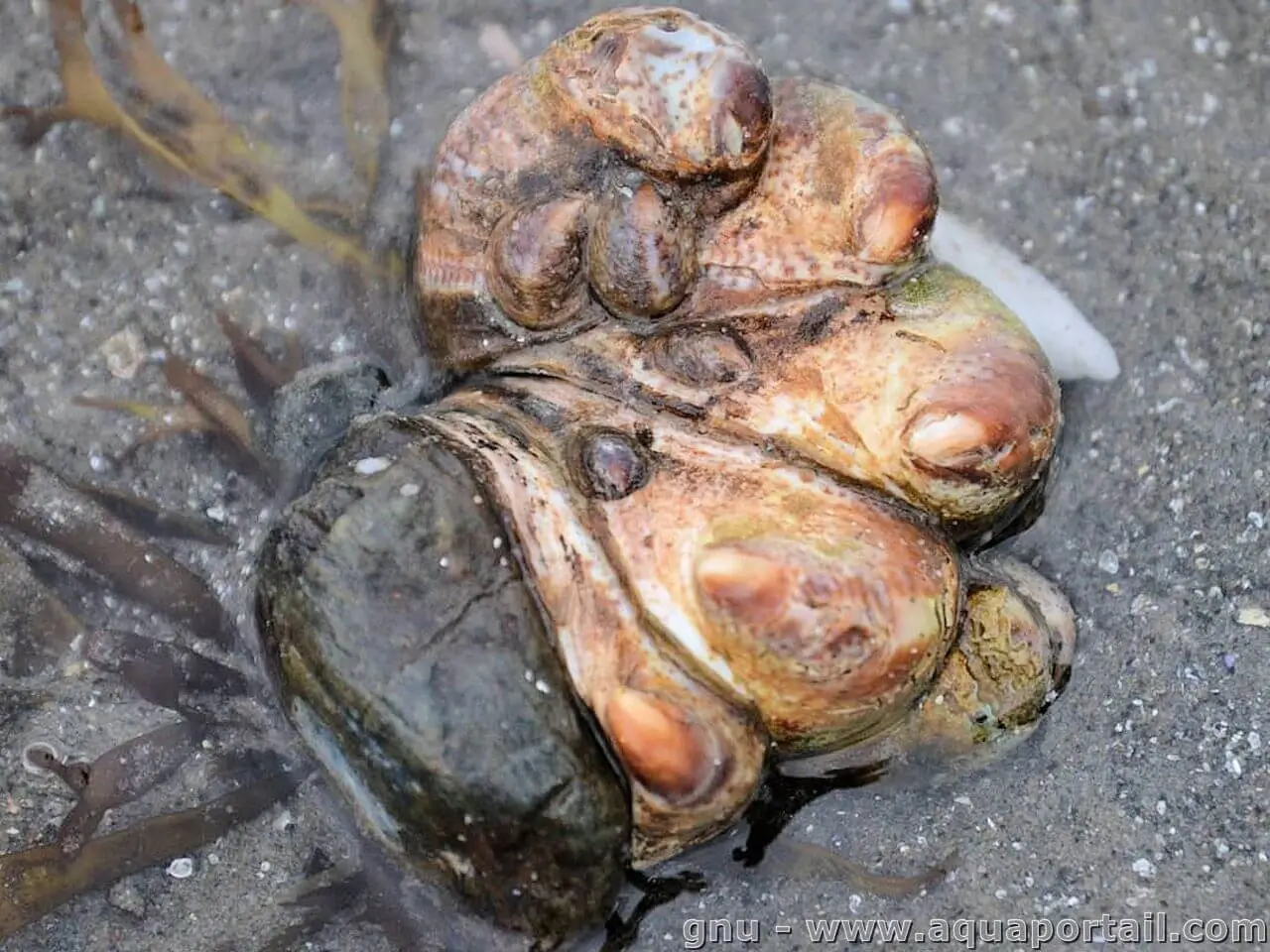
A mesogastropod is a marine mollusk, such as the slipper limpet, belonging to the former taxonomic order Mesogastropoda.
madrepore

A madrepore (Madrepora) is a marine animal of the group of scleractinian corals possessing an external skeleton, typically an acropora and encompassing...
mangrove

A mangrove is a coastal salt-marsh biotic zone comprising specific plants, mangrove trees, and plant associations that grow in the intertidal zone...
