Mineralogy
noun (n.)
Definition
Mineralogy is the scientific study of minerals, mineral matter, and ores. Minerals make up the bulk of the solid Earth; they form the crust and bedrock on which we live, constitute all rocks and sediments on Earth, and are vital components of soils. See specifically soil mineralogy.Mineralogy studies minerals:
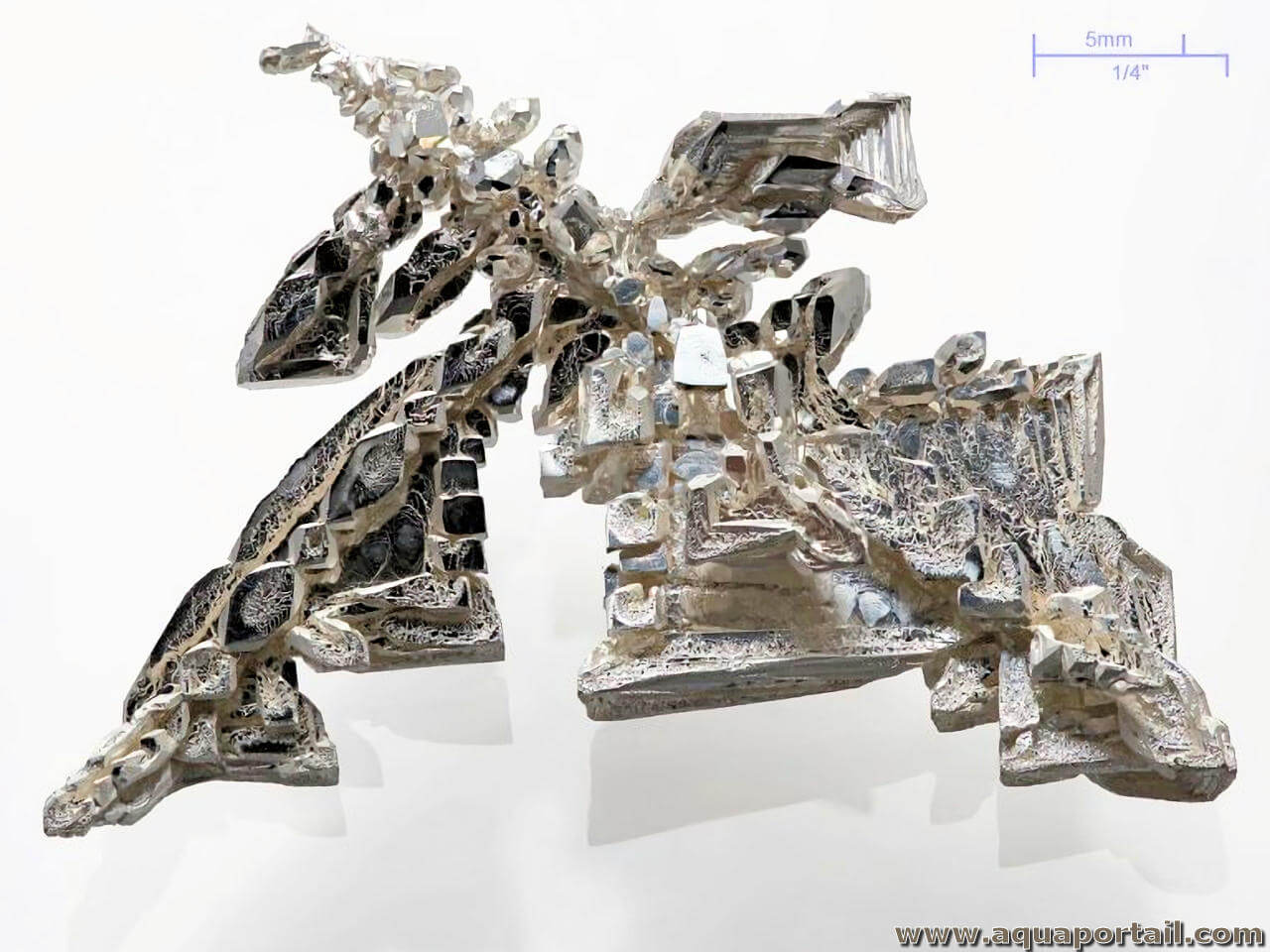
An unidentified mineral studied in mineralogy.
Explanations
Thus, minerals literally form the foundation of our lives. Perhaps because they are ubiquitous, most people scarcely notice them or consider that all rocks are composed of minerals. Engineers certainly do, however, because building a bridge or other structure on unstable ground, or using poor-quality construction aggregates, would lead to structural failures.
Farmers also rely on minerals, as balanced soils yield healthy crops. Petrologists studying rocks of all types must understand minerals, as do manufacturers relying on raw materials. Human societies depend deeply on minerals: minerals, mineral production, and the study of minerals are essential to sustaining modern ways of life.
Key concepts
Key concepts in the study of minerals in mineralogy include:
- Minerals make up most of the solid matter on our planet and are vital to daily life.
- Minerals in rocks and sediments form the ground we walk on and the foundations of buildings and infrastructure.
- Mineral resources have been used by humans since antiquity and remain cornerstones of modern agriculture and industry.
- Knowledge gained from studying minerals has wide-ranging practical applications.
- Most minerals are naturally occurring, homogeneous geological substances stable under conditions at or within Earth's surface.
- Minerals are inorganic compounds and crystalline solids.
- Non-crystalline (amorphous) materials, synthetic compounds, purely biological substances, and anthropogenic materials are generally not classified as true minerals.
- Minerals are classified primarily according to their chemical composition and atomic arrangement (crystal structure).
Historical importance of mineralogy
The use and processing of minerals date back more than 4,000 years (and far earlier for stone tools). Indeed, archaeologists and anthropologists define major eras of early human civilization based on the mineral resources utilized.
The late Stone Age, or Neolithic period, was followed by the Chalcolithic (Copper) Age from roughly 4,500 to 3,500 BCE, when people began working native copper into tools and artifacts. The Bronze Age followed, beginning in the Mesopotamian civilization of Sumer and lasting from roughly 3,300 to 1,000 BCE.
During this era, metalworkers alloyed tin and copper to produce bronze—a metal stronger and more durable than pure copper. Some early cultures transitioned to the Chalcolithic and Bronze Ages earlier than others, and surviving bronze artifacts attest to this early metallurgical skill.
The iron Age followed the Bronze Age, starting around 1,500 to 1,200 BCE when societies in ancient Anatolia (modern Turkey, notably the Hittites) mastered iron smelting. The earliest iron implements were forged from native meteoritic iron containing small amounts of nickel, which fortuitously produced a natural alloy superior to pure iron. Copper, tin, iron, and nickel were all pivotal in antiquity and remain equally indispensable today.
These metals—and many others—are essential components of countless products we use every day, all derived from minerals and ores.
Ask most people today why minerals matter, and they will likely mention diamonds and gemstones, or precious metals like gold and silver. While gems and gold are valuable, industrial and rock-forming mineral resources are just as fundamental, if not far more so.
Highways and buildings, fertilizers, vehicles, jewelry, computers and electronics, cookware, table salt, coated paper, mineral supplements, and pharmaceuticals—virtually everything supporting modern life—depend on mineral resources for production.
Overall, modern society consumes crushed stone, sand, gravel, and other construction aggregates in far greater quantities than any other mineral raw materials. Construction materials are typically rocks or mixtures of minerals valued for their bulk mechanical properties rather than those of an individual mineral species.
Large volumes of industrial minerals are also mined for their specific physicochemical properties, including limestone (calcite), clays, bentonite, silica (quartz), barite, gypsum, and talc.
Importance of crystallography
Crystallography, the branch of mineralogy concerned with crystal formation and properties, plays an enormous role in daily life. Knowledge of crystals and their properties, along with derived technologies, underpins modern electronics and industry.
For example, silicon chips in electronic devices, semiconductors and microprocessors of all kinds, and the LCD (liquid crystal display) screen of a smartphone rely on ordered or crystalline materials. Light-emitting diodes (LEDs), ubiquitous in television screens, lamps, and appliances, likewise use crystalline semiconductor materials.
Quartz electronic clocks, microphones and speakers, piezoelectric guitar pickups, and hospital ultrasound transducers all rely on the piezoelectric effect of quartz crystals, while rooftop photovoltaic panels use crystalline materials to generate electricity.
Mineralogists may rarely receive direct credit for modern electronics because most crystalline materials used in electronic devices today are synthetic; yet nearly all have natural mineral analogs, and studying those natural crystals laid the foundation for modern crystal-based industries.
Synonyms, antonyms
Spanish translation: mineralogía
6 synonyms (similar meaning) for "mineralogy":
- crystallography
- geognosy
- geology
- oryctogeology
- oryctognosy
- petrography
0 antonyms (opposite meaning).
Related words and expressions to MINERALOGY are directly connected by general or specific meaning.
The word MINERALOGY is listed on page 1 of words starting with M in the dictionary glossary.
Related to "mineralogy"
madrepore

A madrepore (Madrepora) is a marine animal of the group of scleractinian corals possessing an external skeleton, typically an acropora and encompassing...
mangrove

A mangrove is a coastal salt-marsh biotic zone comprising specific plants, mangrove trees, and plant associations that grow in the intertidal zone...
manure
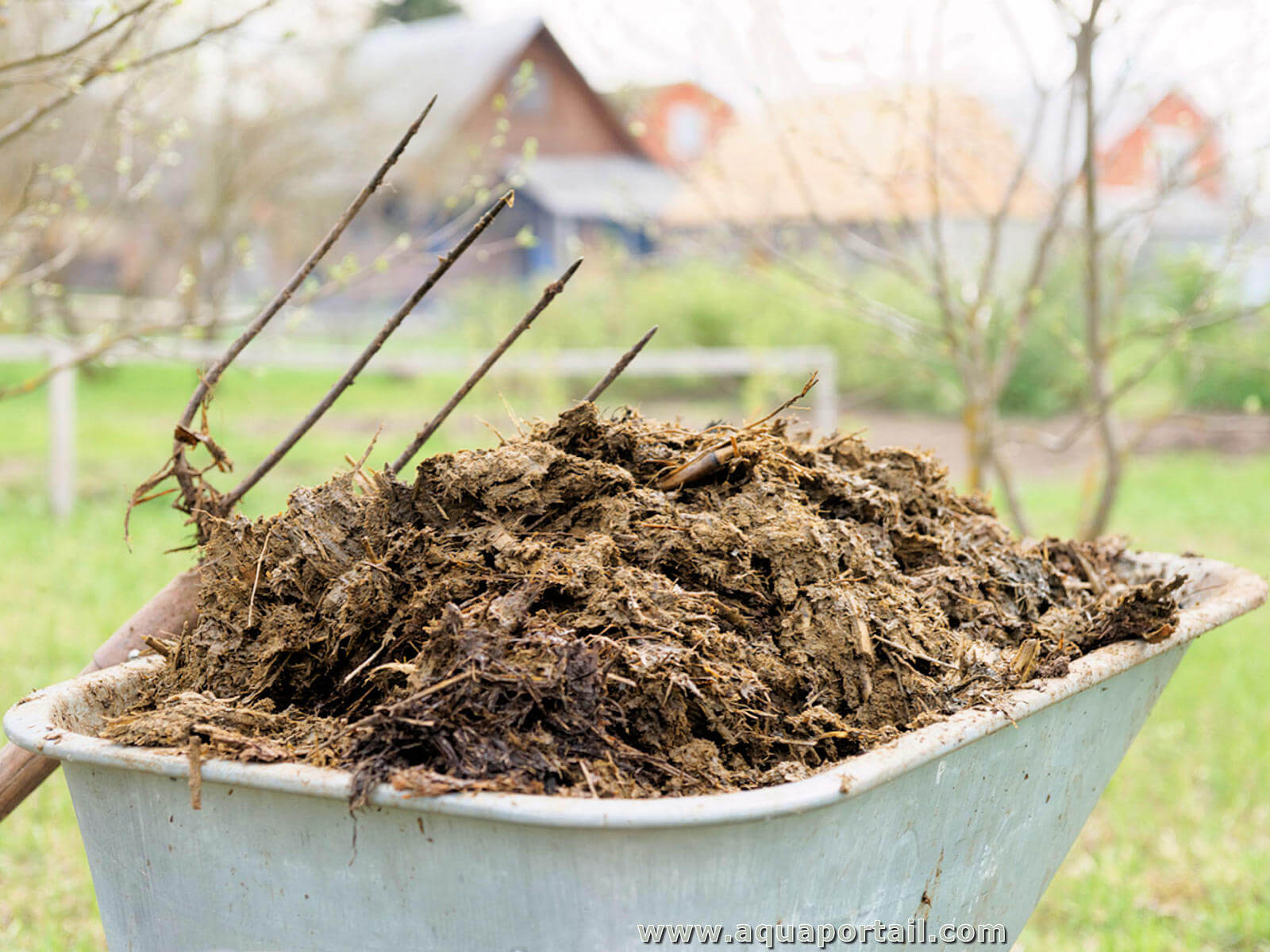
Manure is a mixture of animal droppings and plant bedding used to fertilize land. Manuring consists of applying manure to cultivated soil by spreading.
maxilliped
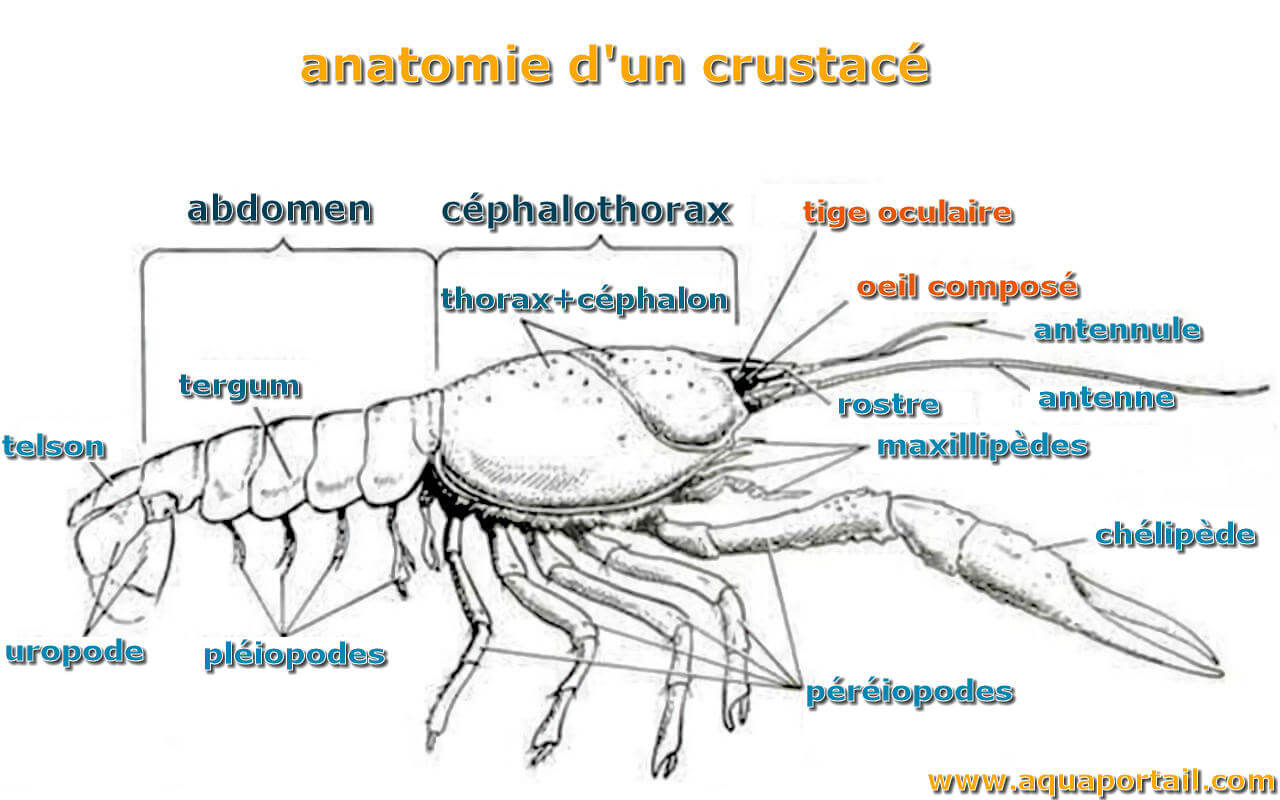
A maxilliped (or jaw-foot) is one of the thoracic feeding appendages of certain crustaceans located behind the maxillae, used in feeding.
