Manure
noun (n.)
Definition
Manure is a mixture of animal droppings and plant bedding used to fertilize land. Manuring consists of applying manure to cultivated soil by spreading. In addition to its use as a soil conditioner and organic fertilizer, manure also helps improve the activity of composters and biodigesters.Manure in a wheelbarrow:
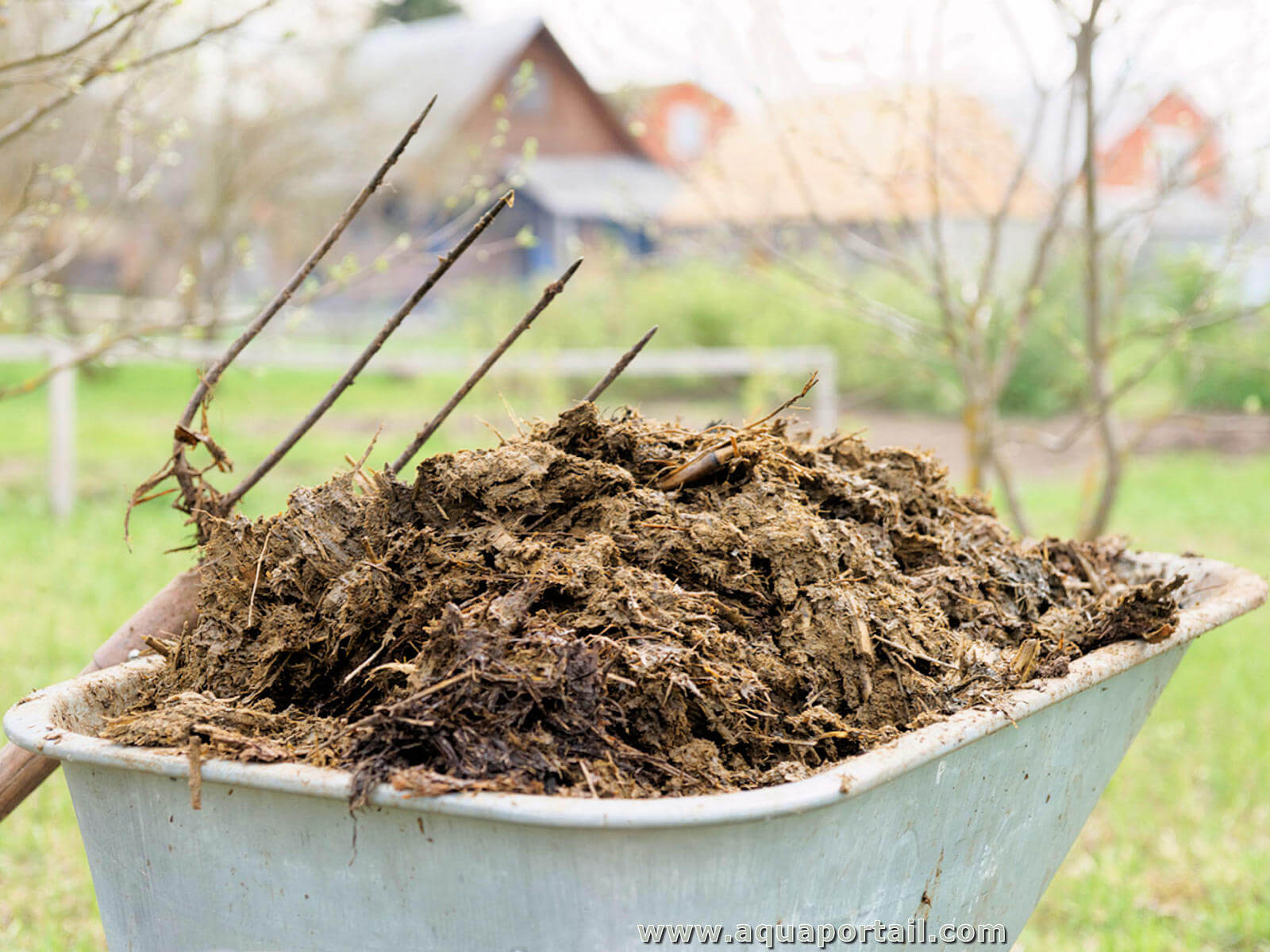
Manure generally consists of more or less digested animal excreta, mixed or not with straw. It is used to make soil more fertile. Manure is generally applied with a manure spreader or manually with a pitchfork.
Explanations
The term manure is very generic because there are many types of manure, but the main ones are liquid manure, garden manure, horse manure, and farmyard manure. Slurry is a mixture of solid manure and liquid manure, largely diluted with water to make it more liquid.
In order to maximize the benefits of manure compost in crops (garden, vegetable patch, meadow, arable land), proper application is essential. One of the best ways to use manure as a fertilizer for plants is to mix it with compost. Composting manure eliminates the possibility of burning plants.
Another option is to plow it into the soil before planting in spring, as in autumn or winter. Generally, autumn is the best time to use manure in cultivated soils. This gives the manure enough time to decompose, thereby eliminating the threat of burning plants. Well-aged manure on its own is also an excellent natural organic fertilizer.
⭐ Besides its role as a fertilizer, manure is a soil conditioner for improving agricultural practices.
Types of manure
Farmyard manures come from raising cattle (cows, oxen), pigs (hogs, swine), equines (horses), sheep, goats, and poultry (hens, chickens).
Farmyard manure and chicken manure fall into the category of stacked manure. Fresh horse manure is used in mushroom cultivation and can also be well used to make a hotbed frame. Earthworms produce worm manure (vermicompost).
✅ Almost all types of manure can be used, depending on where you live, as some manures are more readily available than others. ⛔ However, it is not recommended for anyone to use cat or dog manure. These types of fertilizer are not suitable for the garden or compost heap, as they are likely to carry parasites.
Chemistry
Chemically, manure is a mixture of water (a small amount), inorganic nutrients (minerals), and organic matter. Important elements in manure are nitrogen (chemically bound in nitrate), phosphorus (bound in phosphate), potassium, and magnesium. In addition, the trace elements iron, zinc, copper, molybdenum, boron, and cobalt exist in varying proportions.
Farmyard manure
Farmyard manure is a mixture of solid substances (fecal matter), urine, and straw (of cereal origin). It is a type of manure that, unlike artificial fertilizers, has a variable composition.
In fresh farmyard manure, various microorganisms develop, the most important of which are:
Microorganisms break down organic substances, such as proteins, carbohydrates, and fats, into simpler organic and inorganic compounds. Fungi, which cause the breakdown of straw, and aerobic bacteria, which break down feces, only thrive if there is enough air in the manure. Actinomycetes break down materials that are very difficult to degrade.
Due to the activities of these microorganisms, the temperature in the manure can rise considerably. Under anaerobic conditions, only anaerobic bacteria and actinomycetes function, and the manure is not only decomposed less thoroughly, but degradation also slows down, so the temperature remains much lower.
For fertilization purposes, 1-year-old farmyard manure in particular is suitable, as it is more "spreadable" and nutrients are more readily available to plants.
Process
It is important to digest fresh manure to make it usable as a fertilizer, notably by facilitating the breakdown of fibrous carbon components. During the digestion of fresh manure, the carbon content decreases and the relative nitrogen content increases, which increases the fertilization value.
Manure digestion takes place under the influence of bacteria, releasing heat, water, and nutrients. This conversion process takes more than a year with normal storage. The final product is called solid manure. A recent development is forced composting by supplying oxygen and microorganisms under intensive mixing. Thanks to this method, it is possible to accelerate the digestion of animal manure and leave a stable final product with high nutritional value for trees and plants within 24 to 48 hours.
The use of manure is regulated in many countries, with the main aim of preventing overfertilization.
Synonyms, antonyms
Spanish translation: estiércol
2 synonyms (similar meaning) for "manure":
0 antonyms (opposite meaning).
Related words and expressions to MANURE are directly connected by general or specific meaning.
The word MANURE is listed on page 1 of words starting with M in the dictionary glossary.
Related to "manure"
madrepore

A madrepore (Madrepora) is a marine animal of the group of scleractinian corals possessing an external skeleton, typically an acropora and encompassing...
mangrove

A mangrove is a coastal salt-marsh biotic zone comprising specific plants, mangrove trees, and plant associations that grow in the intertidal zone...
maxilliped
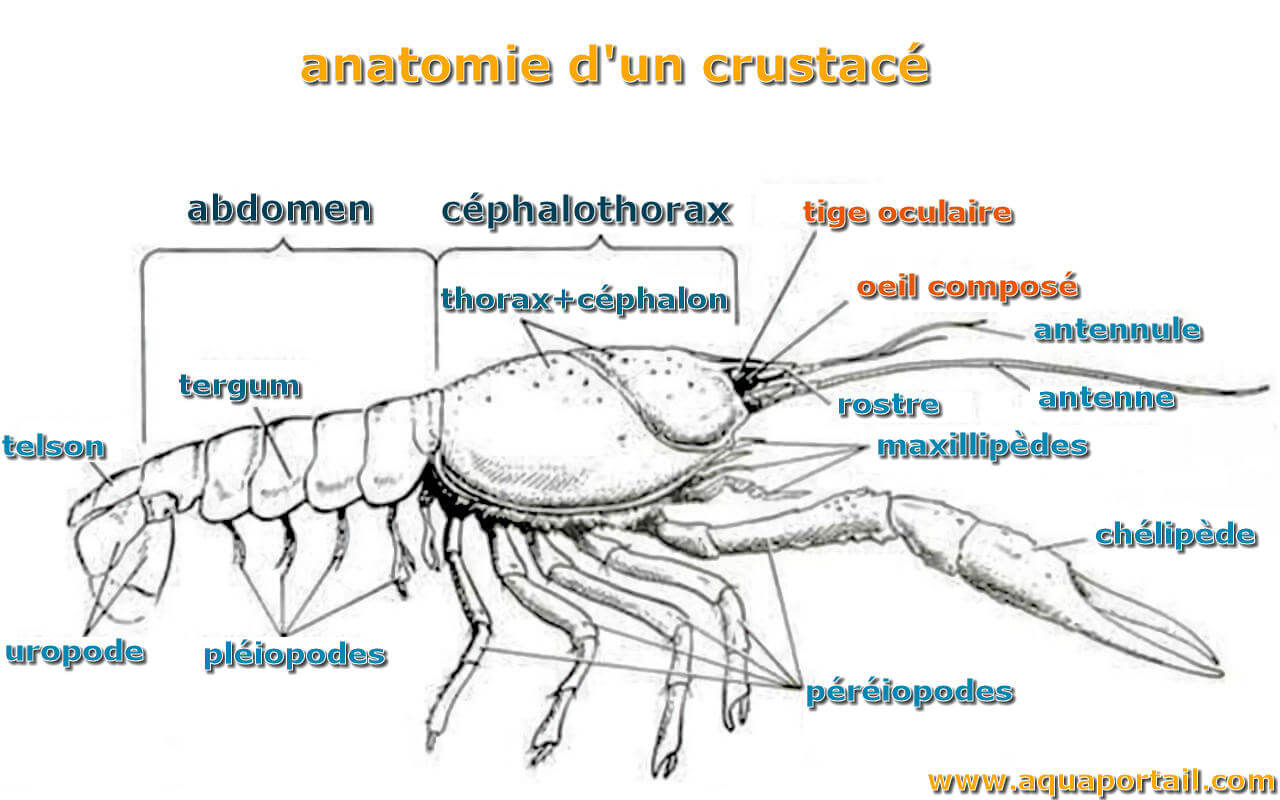
A maxilliped (or jaw-foot) is one of the thoracic feeding appendages of certain crustaceans located behind the maxillae, used in feeding.
medicinal plant

A medicinal plant is a species of the plant kingdom whose parts (flowers, leaves, roots, stems, fruits, or seeds) are directly used in a preparation...
