Iron
noun (n.)
Definition
Iron (symbol Fe) is a chemical element in the metal group. It appears as a strong, hard, magnetic silvery-gray metal. It is widely used as a construction and manufacturing material, particularly in the form of steel, and is vital for biological processes.Iron:

Iron (Fe), a chemical element, is a metal in group 8 (VIIIb) of the periodic table—the most widely used and least expensive metal.
Characteristics
The atomic number of the chemical element iron is Z = 26. Pure iron is magnetic (attracted by magnets), and its compound magnetite is permanently magnetic. It is the most abundant chemical element on Earth (by mass), occurring in pure form in meteorites and combined in most igneous rocks.
Iron is a lustrous, ductile, malleable silvery-gray metal (group 8 - VIIIb - of the periodic table). It is known to exist in four distinct crystalline forms. Iron rusts in moist air, though not in dry air. Iron is the most widely used of all metals (owing to its low cost), accounting for 95% of all metal tonnage produced worldwide.
Examples of use
Iron is used to produce alloy steels such as carbon steels with additives like nickel, chromium, vanadium, tungsten, and manganese. These are used to build bridges, electricity pylons, bicycle chains, cutting tools, and gun barrels.
Cast iron contains 3 to 5% carbon and is used for pipes, valves, and pumps.
Ferromagnetic materials such as iron are highly useful in everyday life as well as in specialized applications. Common uses include electric motors, generators, transformers, telephones, and loudspeakers.
Iron in an organism
Iron is a mineral that organisms require for numerous functions. For example, iron is part of hemoglobin, a protein that carries oxygen from the lungs throughout the body. It helps muscles store and use oxygen, and is also a component of many other proteins and enzymes. Every body requires the right amount of iron.
Iron is a mineral needed for growth and development. The body uses iron to make hemoglobin, a protein in red blood cells that transports oxygen from the lungs to all parts of the body, and myoglobin, a protein that supplies oxygen to muscles. An organism also needs iron to produce certain hormones.
Iron is a trace element forming part of the heme of certain chromoproteins such as cytochromes, hemoglobin, and myoglobin, as well as the prosthetic group of certain enzymes (catalase, peroxidase). It is stored in proteins (ferritin, hemosiderin).
Iron is an essential trace element for healthy growth of aquatic plants in aquariums, in chelated form (chelated iron).
✅ Prune juice is made from dried plums, or prunes, which contain many nutrients contributing to good health. Prunes are a good source of energy and do not cause a rapid spike in blood sugar. Half a cup of prune juice contains 3 mg, or 17% of the daily requirement, of iron.
Iron oxide
Iron oxide is an inorganic compound with the chemical formula Fe2O3. The main iron oxides are FeO, or iron(II) oxide, Fe3O4, or iron(II,III) oxide, and iron(III) oxide. Iron(III) oxide is also known as hematite.
🚩 Exposure to iron oxide fumes can cause metal fume fever, a flu-like illness accompanied by symptoms of a metallic taste, fever and chills, body aches, chest tightness, and coughing. Prolonged or repeated contact can discolor the eyes, causing permanent iron staining.
Synonyms, antonyms
Spanish translation: hierro
0 synonyms (similar meaning) for "iron".
0 antonyms (opposite meaning).
Related words and expressions to IRON are directly connected by general or specific meaning.
The word IRON is listed on page 1 of words starting with I in the dictionary glossary.
Related to "iron"
irone

Irone is a fragrance compound derived from Iris rhizomes and used in perfumery. This ketone imparts the characteristic scent to Iris flowers.
natural environment

The natural environment is the environment of nature that characterizes a habitat area with an artificially unmodified biotope, integrating an ecosystem where...
ice sheet
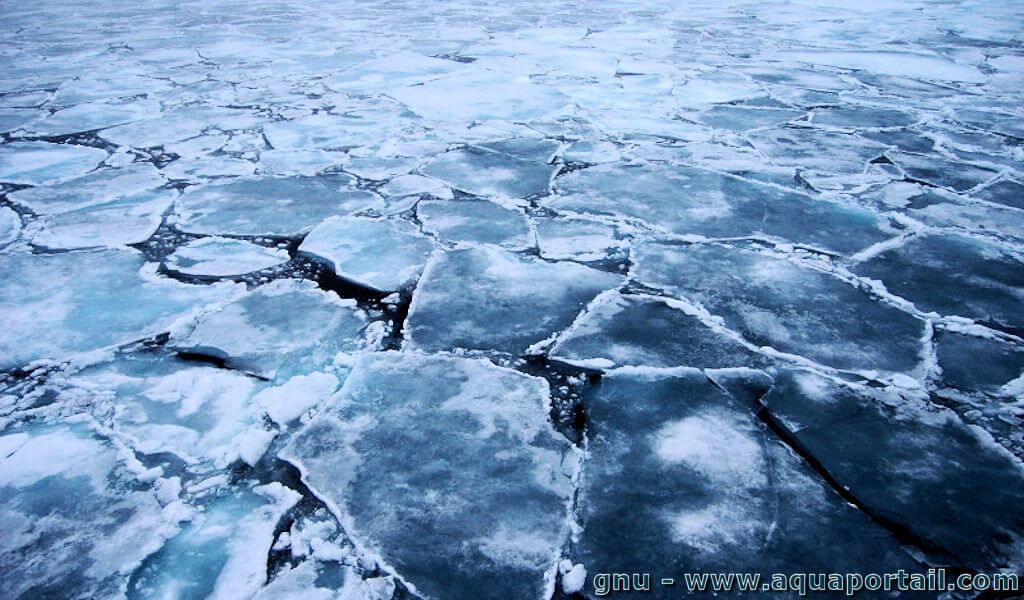
An ice sheet constitutes vast, very thick glacial expanses covering a large terrestrial surface area, such as the Antarctic ice sheet for example.
ichthyologist
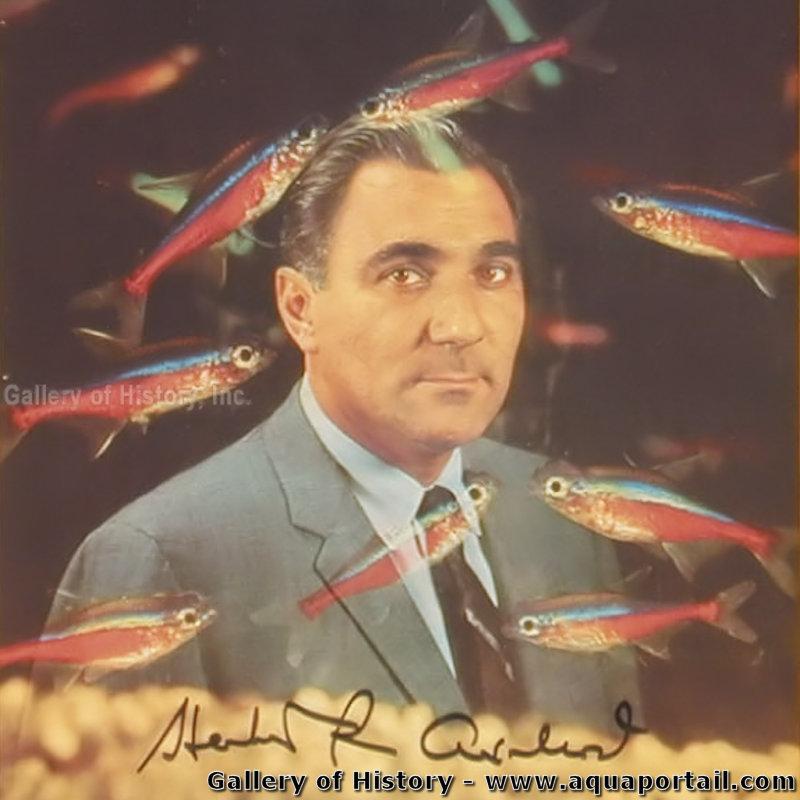
An ichthyologist is a scientist who studies fish in the field of ichthyology. They conduct research and fieldwork on fishes across all aquatic environments.
