Invasive species
noun phrase (n. phr.)
Definition
An invasive (or encroaching) species refers to an organism that thrives at the expense of other species, outcompeting and displacing them. An encroaching species may normally be native and indigenous to the invaded area, whereas an invasive species is initially foreign to the colonized area.
Duckweed is an invasive species:

An invasive species colonizes and overruns an ecosystem or biotope through rapid proliferation, becoming harmful to local biodiversity. An invasive species displaces organisms of the same biological type, taking over the environment at the expense of other species unable to compete with it.
Explanations
In French, "espèce envahissante" primarily describes an indigenous, native species, whereas "espèce invasive" designates an exotic, non-native, exogenous species. An invasive species can belong to any ecological or biological group: plant (neophytes), animal, fungus, or microorganisms (neozoa) such as bacteria or viruses.
An encroaching species is often synonymous with an invasive species, but differs by its geographic origin. A non-native invasive species is necessarily an encroaching species! Note that English, invasive species, generally does not distinguish between native encroaching and non-native invasive.
Some species can be both native encroachers and non-native invaders. For example, common duckweed Lemna minor overgrows its own natural native biotopes while also spreading into other regions where it is not native.
Process
Generally, an organism becomes invasive when it finds optimal conditions for its growth—or simply a maximum growth factor—while those same conditions become less favorable, or even act as a limiting factor, for other organisms in the same biotope, particularly within a specialized ecological niche.
Competition among species is altered, creating an imbalance in favor of one species that becomes dominant.
Pollution factor
Pollution is often a factor favoring certain species in a previously healthy biotope: some species decline while others take advantage of these disturbances, which may be anthropogenic, to proliferate.
The imbalance in competition for nutrients and growing or living space intensifies over time, to the point that declining species may disappear, allowing invasive species to establish themselves even more firmly.
Invasive species often coexist with native species for an extended period, and gradually the superior competitive ability of an invasive species becomes apparent as its population grows to higher densities.
Regulation
Usually, biodiversity acts as a regulator among species, imposing a resilience factor: competition among the various species is sufficient to limit the potential invasiveness of certain ones.
Consumers, for example, help curb the spread of a species: if the consumer declines or disappears, the contained species no longer has a natural regulator and its invasive potential can express itself.
In all cases, an invasive species causes damage to its environment.
An organism's invasive potential is multifactorial: rapid growth rate, short life cycle, fast reproduction, high dispersal capacity, high tolerance and adaptability (ecological competence), phenotypic plasticity, loss of a regulator (predation), and other causes sometimes linked to human activity.
Nevertheless, the ability of certain species to be introduced into a disturbed natural environment can help repopulate an abandoned site. This is the case for certain ruderal weeds among plants or pioneer organisms.
Ecosynthesis
Ecosynthesis is the use of introduced species to fill niches in a disturbed environment in order to increase the speed of ecological restoration. This reduces the amount of physical damage inflicted on a disturbed landscape within certain ecological niches.
Synonyms, antonyms
Spanish translation: especie invasora
4 synonyms (similar meaning) for "invasive species":
1 antonym (opposite meaning):
Related words and expressions to INVASIVE SPECIES are directly connected by general or specific meaning.
The expression INVASIVE SPECIES is listed on page 1 of words starting with I in the dictionary glossary.
Related to "invasive species"
species
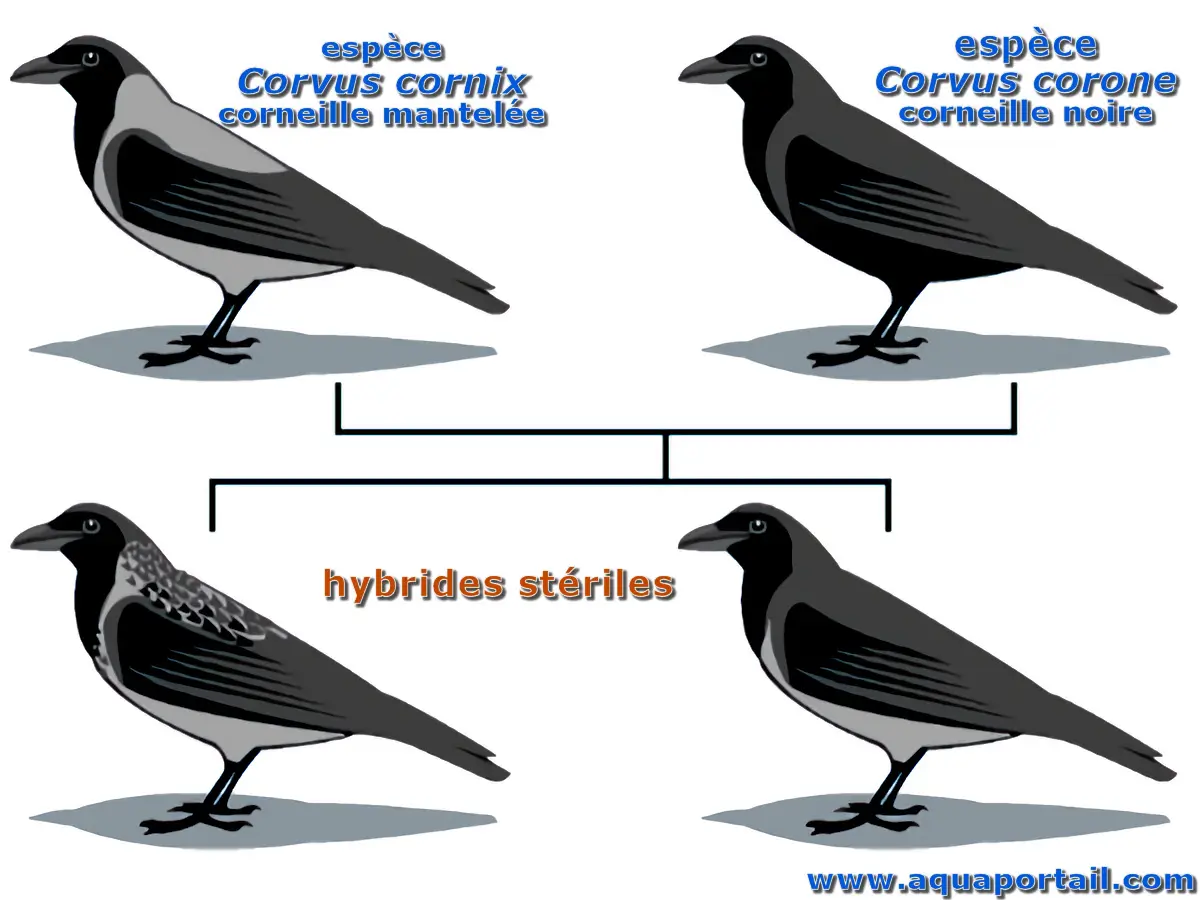
Species refers to a group of morphologically similar individuals capable of interbreeding with one another and producing viable, non-sterile offspring.
ice sheet
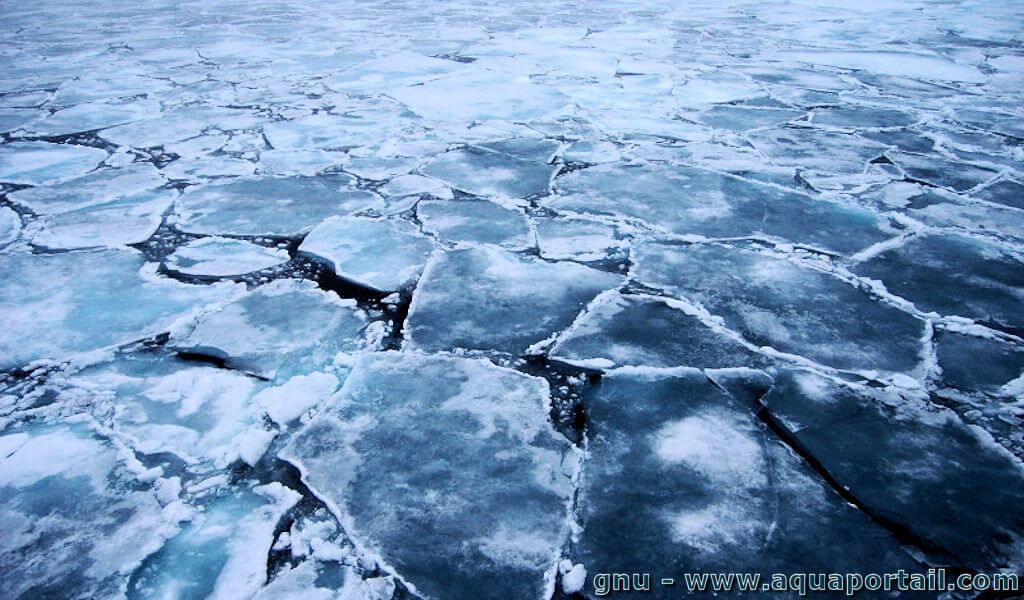
An ice sheet constitutes vast, very thick glacial expanses covering a large terrestrial surface area, such as the Antarctic ice sheet for example.
ichthyologist
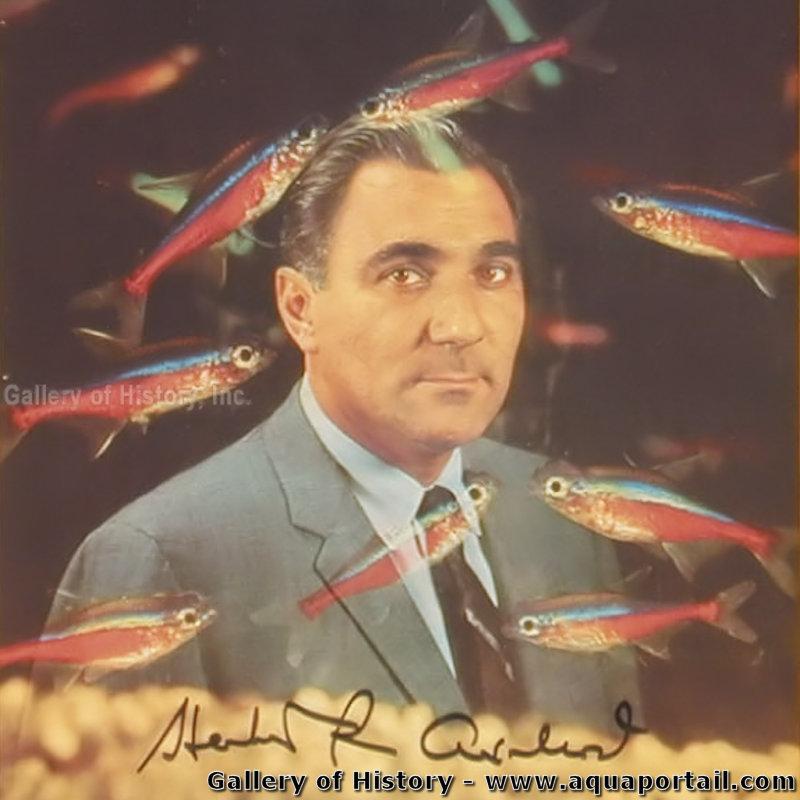
An ichthyologist is a scientist who studies fish in the field of ichthyology. They conduct research and fieldwork on fishes across all aquatic environments.
illuvium
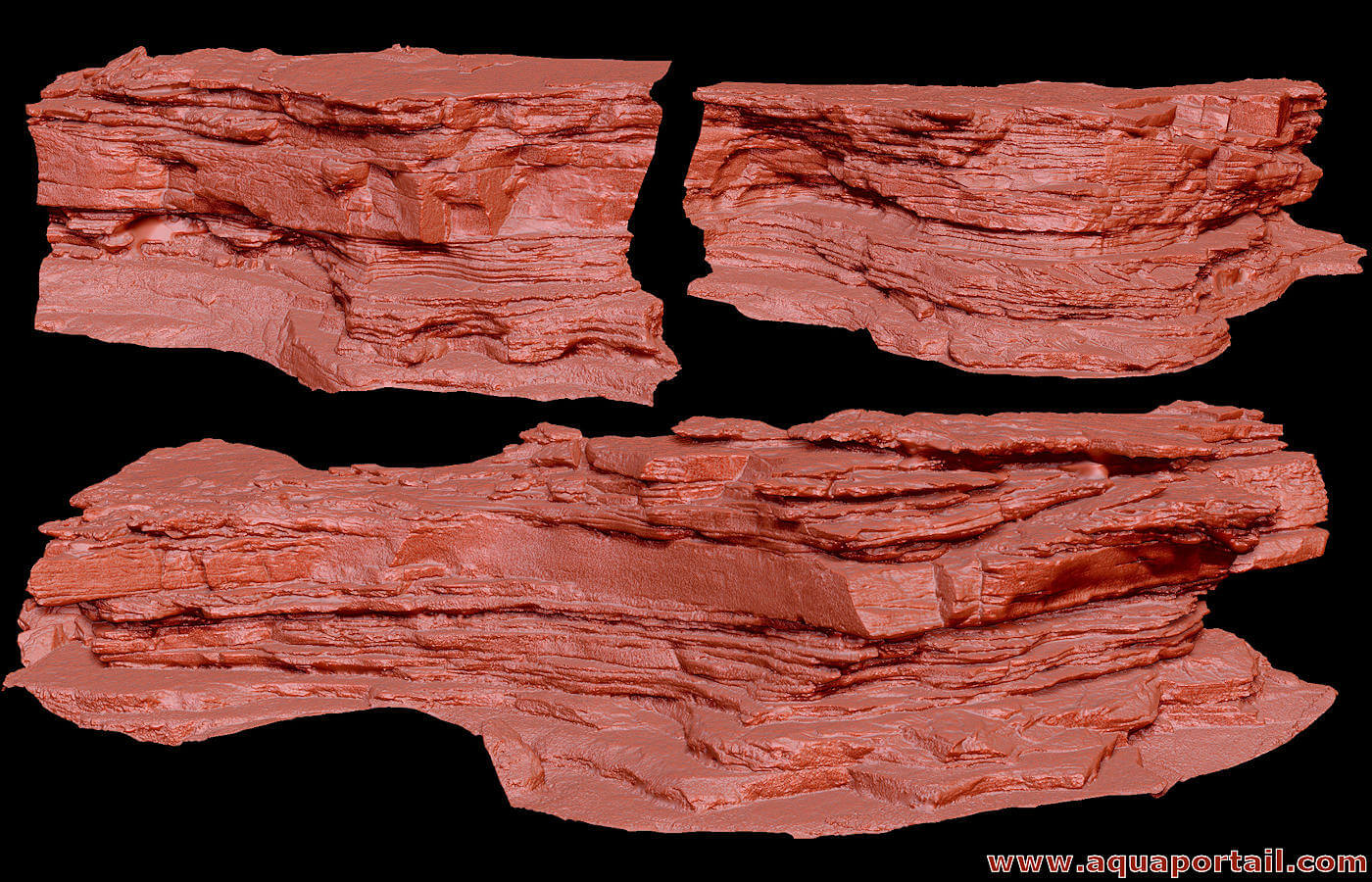
An illuvium is material displaced through a soil profile, from one layer to another, by the action of rainwater.
