Isopod
noun (n.)
Definition
An isopod belongs to one of the most diverse groups of crustaceans, the order Isopoda, which includes numerous marine species as well as terrestrial woodlice. More precisely, isopods constitute a group of crustaceans classified among the higher forms with a fixed number of body segments (Malacostraca), rounding out the arthropod group. See also amphipods.
Le cloporte commun Porcellio scaber est un isopode terrestre :
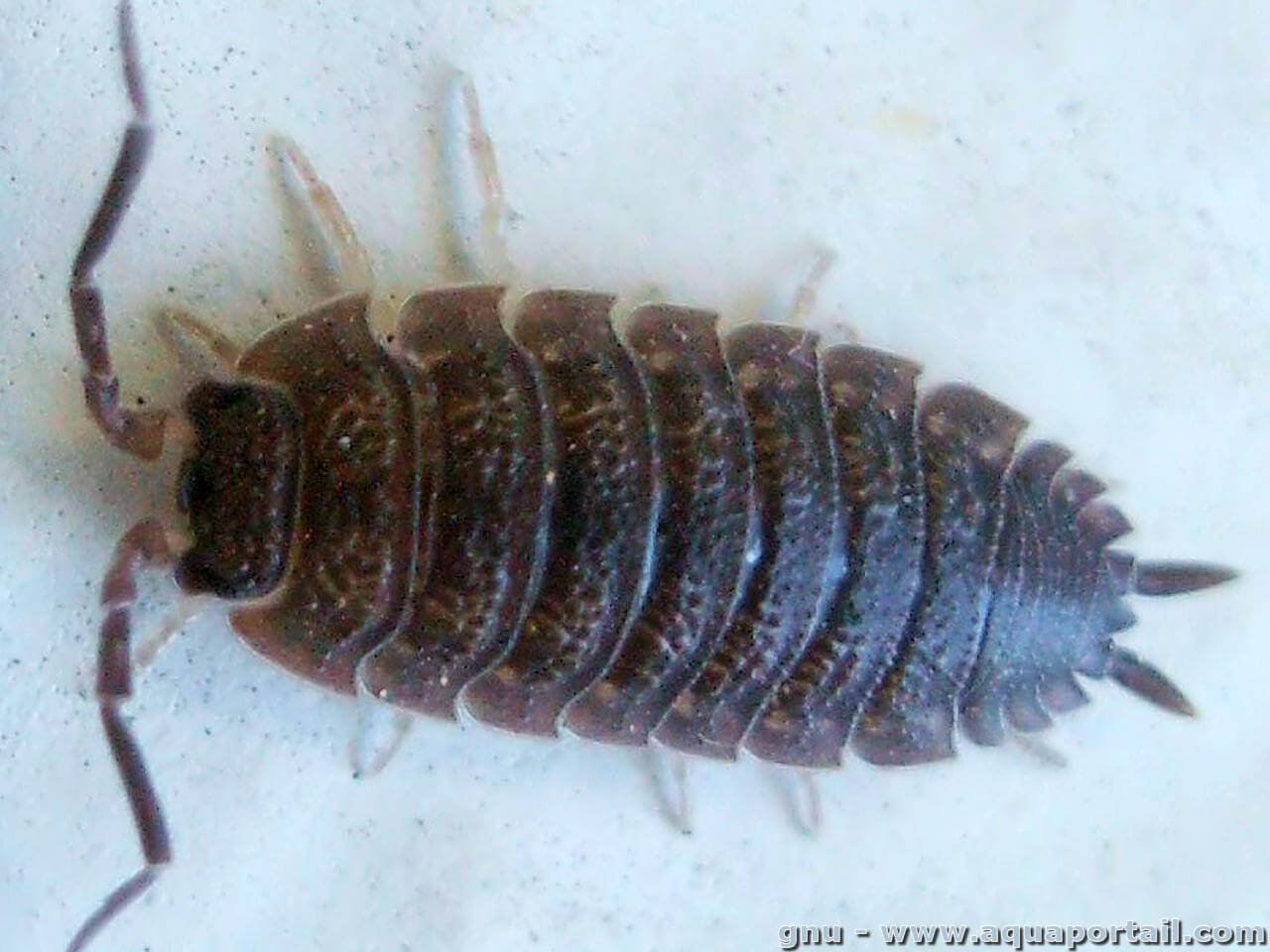
The isopod Porcellio scaber is commonly called the rough woodlouse. It is slate gray to yellowish gray and can reach 20 millimeters (0.8 in). It has a finely toothed, structured semi-annular exoskeleton, 14 walking legs and 12 pleopods, and a tail plate (telson) with tactile organs.
Explanations
The isopod group comprises about 10,000 known species belonging to roughly 120 families, divided into ten suborders. It includes terrestrial woodlice, but primarily marine species such as giant isopods (Bathynomus) and freshwater species such as water lice (Asellus). For example, see a Corydoras parasitized by a rare isopod.
Isopods do not possess a carapace; their body is dorsoventrally flattened. The eyes are sessile, and the abdominal appendages serve as respiratory organs. Most isopods are marine, though there are freshwater forms (water lice) and even terrestrial forms (woodlice, which live in damp places and often in cellars). Furthermore, many marine isopods have become parasites, notably of fishes on which they feed by sucking blood; other isopods parasitize crustaceans. Free-living marine isopods are mostly herbivorous (algae-eating) animals.
Hypsimetopodids are isopod crustaceans of the phreatoicidean family Hypsimetopodidae, for example Nichollsia kashiense.
✅ The record size observed in a giant isopod (Bathynomus) is around 50 cm (19.7 in), encountered at considerable depth.
Fossil evidence of isopods is known from nearly every geological period since the Permian, though generally rare. Isopods are living fossils. Phylogenetic studies and fossil records indicate that this order dates back at least to the Paleozoic, 300 million years ago. Due to generally very difficult fossilization conditions on land, most are aquatic forms. Exceptions are inclusions in amber, which are naturally mainly terrestrial forms. Isopods from Eocene/Oligocene Baltic amber represent the entire spectrum, from water dwellers to moisture-loving forms and dry-habitat inhabitants.
The body consists of three regions: head, thorax, and abdomen. The head has two pairs of antennae; the first is well developed and used to explore, taste, and smell food; the second pair of antennae is small and invisible from the outside. The thorax has eight segments, each bearing a pair of legs; the first thoracic segment is fused to the head (cephalon); the remaining seven segments form the pereon. At the end of the abdomen, they have a pair of appendages called uropods.
They are generally small in size, although some, such as the giant isopod (Bathynomus), can reach a much greater weight (up to 1.7 kg / 3.75 lb).
✅ Certain isopods have been observed rolling into a ball (conglobation).
Using a brood pouch (marsupium), certain species have also evolved a way to no longer depend on ponds or deeper waters during the early stages of their lives.
Synonyms, antonyms
Spanish translation: isópodo
3 synonyms (similar meaning) for "isopod":
- Isopoda
- water louse
- woodlouse
0 antonyms (opposite meaning).
Related words and expressions to ISOPOD are directly connected by general or specific meaning.
The word ISOPOD is listed on page 1 of words starting with I in the dictionary glossary.
Related to "isopod"
amphipod
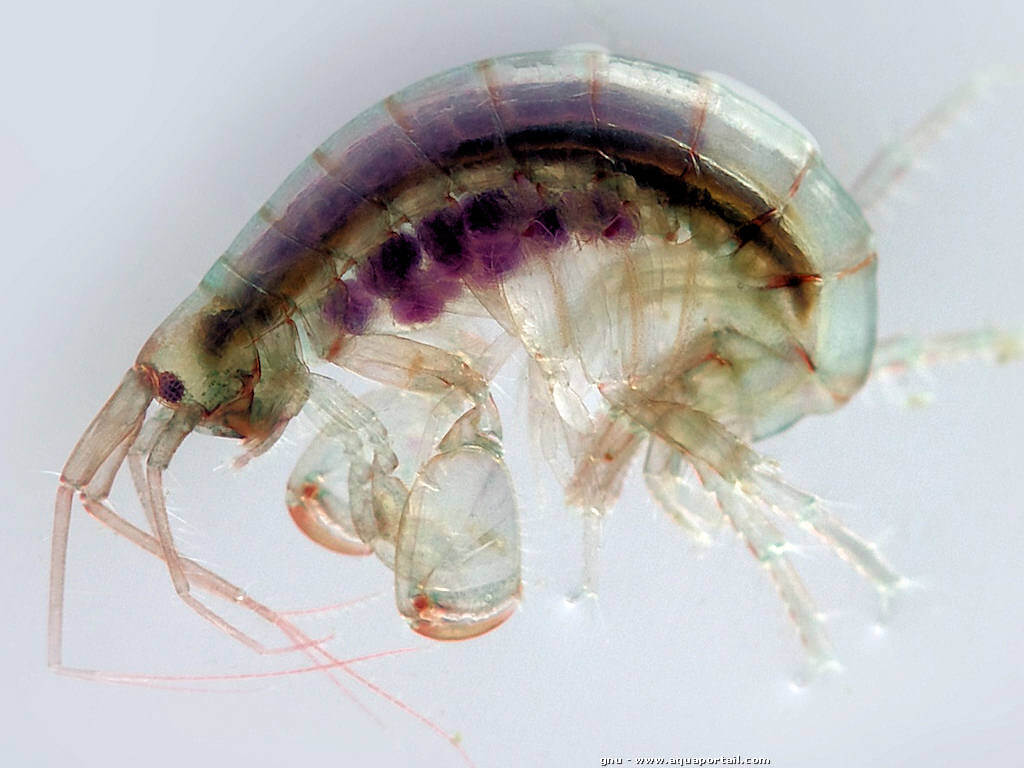
An amphipod is a small crustacean with a laterally compressed body, included within the Arthropoda.
ice sheet
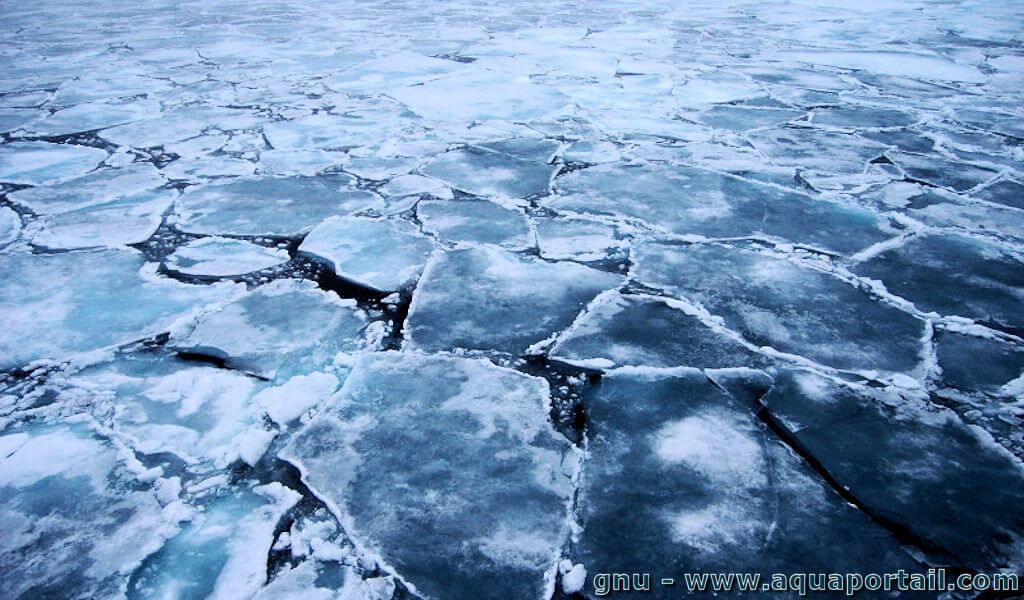
An ice sheet constitutes vast, very thick glacial expanses covering a large terrestrial surface area, such as the Antarctic ice sheet for example.
ichthyologist

An ichthyologist is a scientist who studies fish in the field of ichthyology. They conduct research and fieldwork on fishes across all aquatic environments.
illuvium
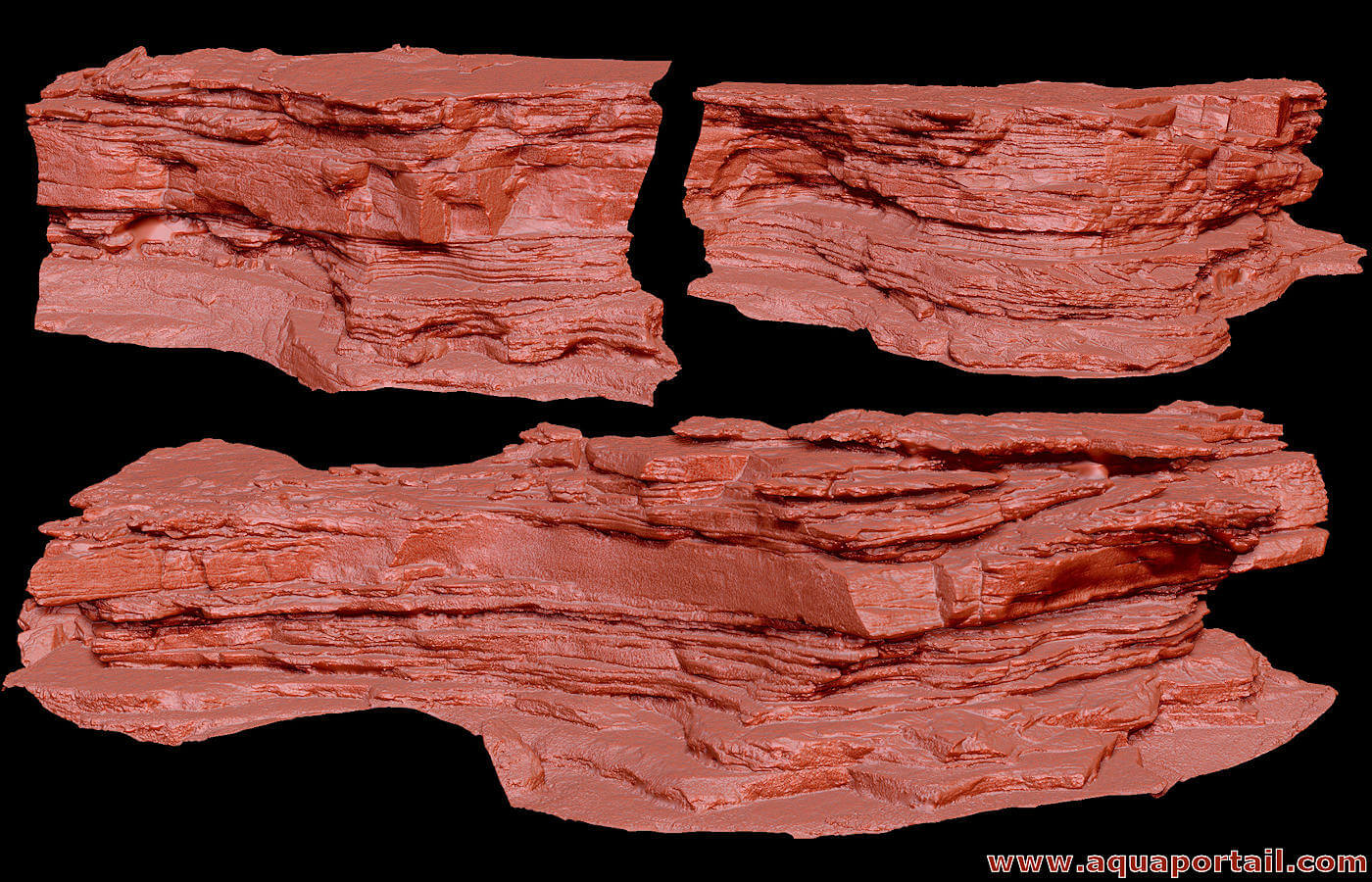
An illuvium is material displaced through a soil profile, from one layer to another, by the action of rainwater.
Simple summary
An isopod is a crustacean of the order Isopoda with a flattened body and a segmented exoskeleton. Isopod species are terrestrial, such as the common woodlouse, while others inhabit marine or freshwater environments. They are known for their ability to adapt to varied living conditions and their role in decomposing organic matter.
