Illuvium
noun (n.)
Definition
An illuvium is material displaced through a soil profile, from one layer to another, by the action of rainwater. The removal of material from a soil layer, an eluvium, is called eluviation. The transport of the material may be mechanical or chemical.
Illuvium is the material leached from one soil horizon and deposited in another. Eluvium is rock debris produced by the weathering and disintegration of rock in situ.
Illuvia:
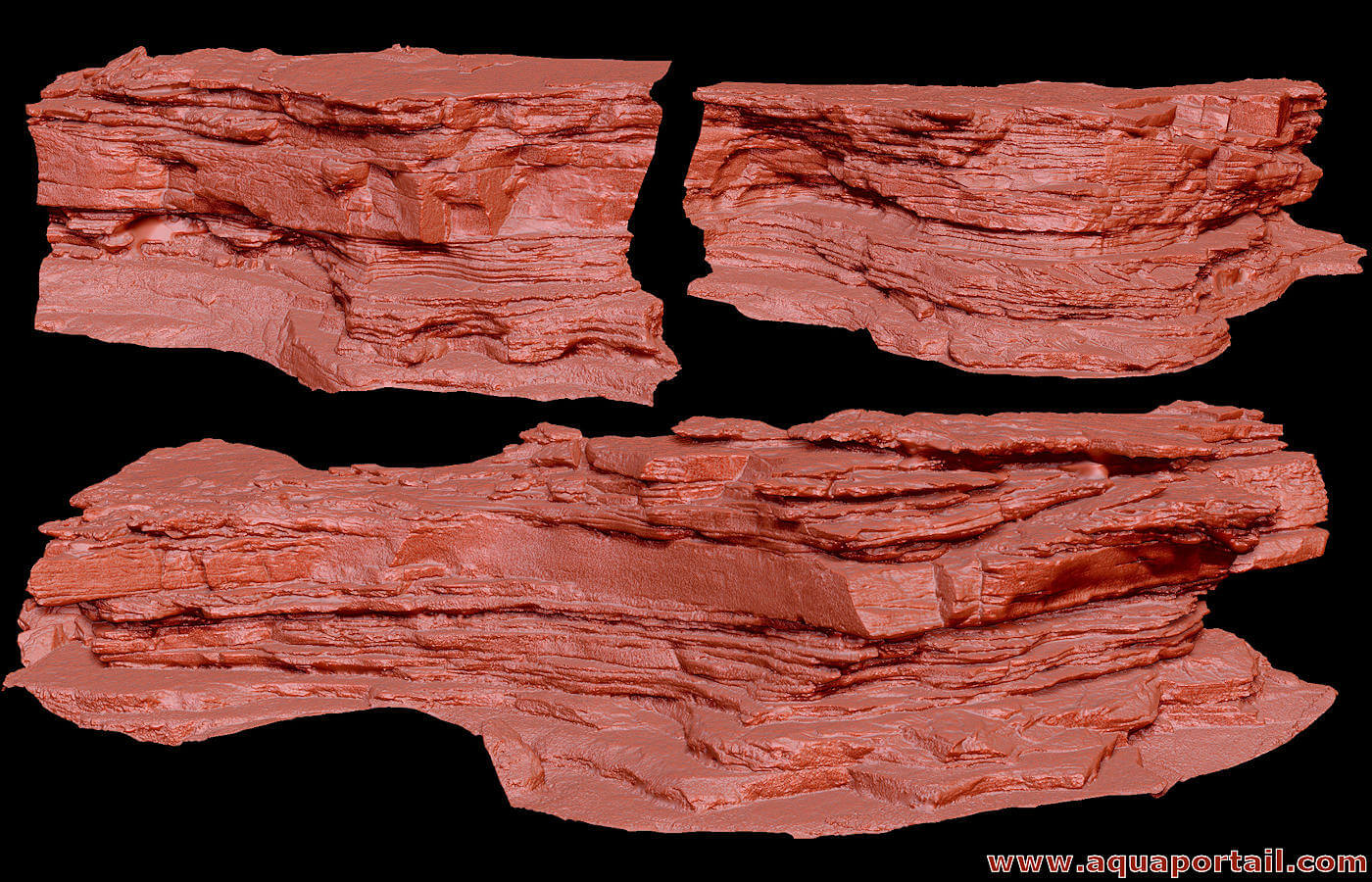
Photogrammetry is the key to distinguishing different illuvia.
Explanations
The process of depositing illuvia is called illuviation. Illuviation is water-assisted transport in an essentially vertical direction, in contrast to alluviation where the transfer by running water is horizontal. The resulting deposits are called illuvial deposits. Certain alluvial soil horizon layers (containing alluvium) are a type of illuvial deposit.
Illuvia include organic matter, silicate clay, and hydrous oxides of iron and aluminum.
Illuvial deposits of clays, oxides, and organic matter accumulate in the subsoil as distinctive soil horizons classified as "B horizon" (below the humus) or "zone of illuviation".
Besides illuvia, there are colluvia, diluvia, eluvia, and alluvia.
The term "illuvium" is commonly used in geology and pedology to describe the downward migration of particles such as clay, silt, or organic matter under the effect of erosion, precipitation, or surface runoff. In doing so, the process alters the composition and fertility of the affected layers. Illuviation actively contributes to soil formation, nutrient distribution, and overall ecosystem dynamics.
Synonyms, antonyms
Spanish translation: iluvión
2 synonyms (similar meaning) for "illuvium":
0 antonyms (opposite meaning).
Related words and expressions to ILLUVIUM are directly connected by general or specific meaning.
The word ILLUVIUM is listed on page 1 of words starting with I in the dictionary glossary.
Related to "illuvium"
diluvium
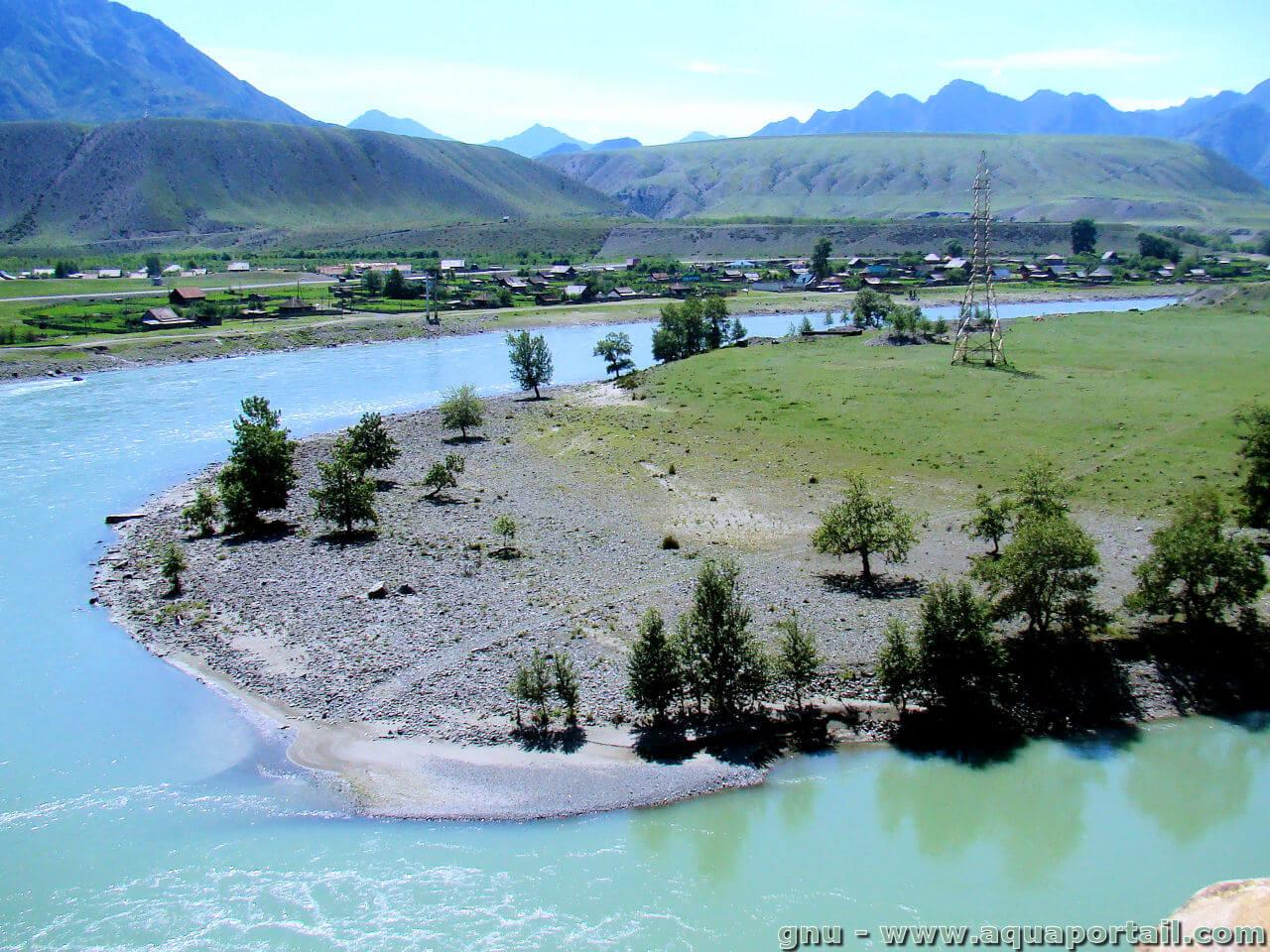
In geology, diluvium is a superficial deposit formed by floods and heavy precipitation, contrasting with alluvium or alluvial deposits formed by slow, steady...
ice sheet
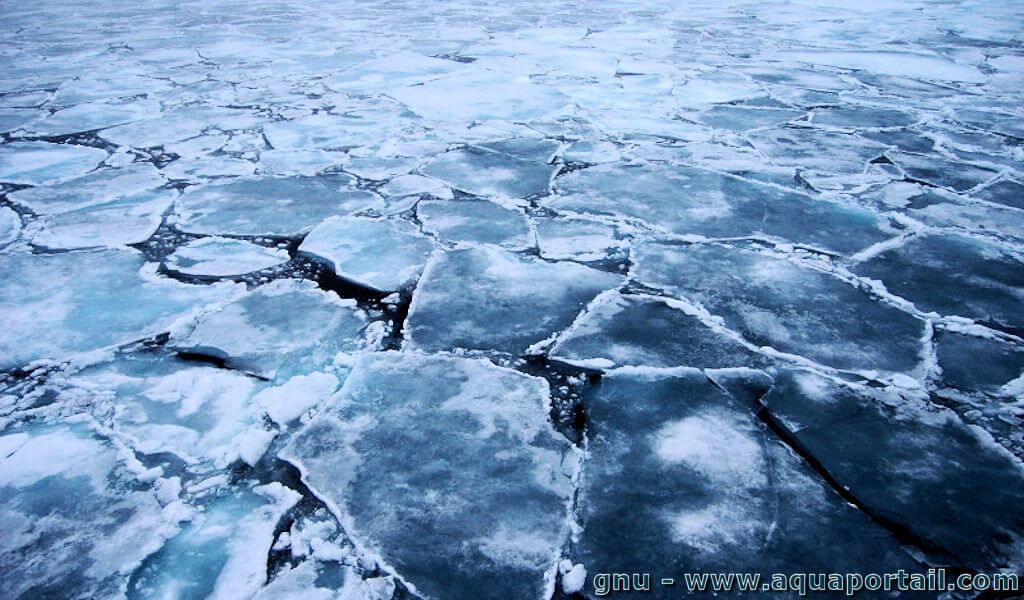
An ice sheet constitutes vast, very thick glacial expanses covering a large terrestrial surface area, such as the Antarctic ice sheet for example.
ichthyologist

An ichthyologist is a scientist who studies fish in the field of ichthyology. They conduct research and fieldwork on fishes across all aquatic environments.
incubation

Incubation is the process by which certain oviparous and ovuliparous animals brood their eggs.
Simple summary
Illuvium refers to the accumulation of fine soil particles, sediment, or other materials transported and deposited into lower soil layers by water flow. This phenomenon generally occurs in the underlying zone, where these materials are leached from upper layers and accumulate in deeper layers.
