Incubation
noun (n.)
Definition
Incubation is the process by which certain oviparous and ovuliparous animals brood their eggs. It also refers to the period of embryonic development inside the egg. Several factors are vital for the incubation of various animal species (birds, reptiles, fish, arthropods).Incubation in a crayfish :

Decapod invertebrates incubate their eggs beneath the abdomen, behind the cephalothorax, as seen in this crayfish.
Explanations
In biology, incubation corresponds to the period elapsing between egg-laying and hatching, or the development of eggs within a living nest. Incubators can be highly diverse in nature, including oral (mouthbrooding) forms. Incubation generally takes place in a brood pouch.
⭐ See also incubation period, mouthbrooding, and artificial incubation (hatching).
Four types of incubation are distinguished in animals:
- oral incubation (mouthbrooding);
- genital incubation;
- ventral incubation;
- dorsal incubation.
Principle and process
In many reptile species, for instance, no fixed temperature is required, but actual temperature determines the sex ratio of the offspring. In birds, by contrast, offspring sex is genetically determined, yet in many species a constant, specific temperature is necessary for successful incubation. Especially in poultry, the act of sitting on eggs to incubate them is called brooding. The action or behavioral tendency to sit on a clutch of eggs is also referred to as broodiness, and most laying poultry breeds have had this behavior selectively bred out to increase egg production.
Incubation vs. gestation, the eggs
Incubation is contrasted with gestation, in which the eggs are both protected and nourished by one of the parents (generally the female parent, though not always: in clownfish or Siamese fighting fish, it is the male). Incubating species provide shelter for their eggs, with either the father or the mother providing care. Beyond its most common location within the female reproductive tract, incubation may be oral (many African Great lakes cichlids, or Pterapogon kauderni in marine environments), abdominal, or dorsal (male sea dragons, for example), depending on where the eggs are held until hatching.
Incubation of eggs by a female shrimp:

The Red Cherry shrimp incubates eggs beneath her abdomen for 3–4 weeks.
In certain species, such as pipefishes and seahorses, males provide a pouch, called a brood pouch or marsupium, to receive and protect fertilized eggs; others, such as mouthbrooding catfishes, fast throughout the entire period required for embryonic development.
See mouthbrooders, larvophilic, mouthbrooding, and brooding in addition to nesting.
Avian incubation
Avian incubation is the act by which birds lay and then tend their eggs by sitting on them to keep them warm so that the embryos can develop in warmth.
In most bird species, the heat required for incubation is generated by the body heat of the incubating parent, although certain groups, particularly megapodes, use geothermal heat or heat generated by decomposing plant matter, since composting produces sufficient warmth to incubate the eggs, while others, such as the crab-plover (Dromas ardeola), partially rely on solar heat. Conversely, Namaqua sandgrouse (Pterocles namaqua) in the deserts of southern Africa must cool their eggs during the hottest part of the day by shading them with their wings. Humidity is also critical, and if the air is too dry, the egg may lose excessive water, which can endanger or even prevent hatching.
Incubation of eggs by a female mallard duck:

Incubation of the eggs of the Rouen duck, a domestic breed of the mallard Anas platyrhynchos, is carried out by the female. The nest, built of grasses, rushes, and leaves, is lined with down feathers. Mallard incubation lasts about 28 days.
Among incubating species, duties are divided between the sexes in various ways. The most common pattern is for the female to handle all incubation, as in the coscoroba swan (Coscoroba coscoroba) or the Indian robin (Copsychus fulicatus), or nearly all of it, as in falcons and kestrels. In some species, such as the whooping crane (Grus americana), the male and female take turns incubating the egg. By contrast, cassowary eggs are incubated solely by the male. In the mountain plover (Charadrius montanus), the male incubates the first clutch, while if the female lays a second clutch, she incubates it herself. In the hoatzin (Opisthocomus hoazin), some individuals (mainly males) help their parents incubate subsequent nests.
Incubation periods range from 11 days (in small passerines and North American cuckoos such as the black-billed and yellow-billed cuckoo) to 85 days (in the wandering albatross Diomedea exulans and the North Island brown kiwi Apteryx mantelli). In the latter, because incubation is interrupted, the longest uninterrupted incubation period is 64 to 67 days in the emperor penguin (Aptenodytes forsteri).
Some species begin incubating with the first egg laid, so chicks hatch at different times; others begin with the last egg, so chicks hatch simultaneously.
Mammalian incubation
Very few mammals lay eggs. In the best-known example, the platypus (Ornithorhynchus anatinus), the eggs develop in utero (gestation) for about 28 days, followed by only about 10 days of external incubation (unlike a chicken egg, which spends roughly one day in the oviduct and 21 days outside). After laying her eggs, the female curls around them. The incubation period is divided into three phases: in the first phase, the embryo lacks functional organs and relies on the yolk sac for sustenance, with the yolk reserve absorbed by the developing young; during the second phase, the limbs and organs develop; in the final phase, the egg tooth appears. The only other egg-laying mammal is the echidna of the family Tachyglossidae.
Reptilian incubation
Incubation methods vary widely among different types of reptiles.
Various species of sea turtles bury their eggs on beaches beneath a layer of sand that provides both protection from predators and a stable nest temperature.
Some snakes lay eggs in communal burrows, where large numbers of adults gather together to keep the eggs warm.
Alligators and crocodiles lay their eggs in mounds of decaying vegetation or in holes dug into the ground.
Incubation by other vertebrates
Fish generally do not incubate their eggs; however, certain species brood their eggs, fasting until hatching.
Some amphibians brood their eggs. The female lungless salamander Ensatina eschscholtzii coils around her clutch of eggs and massages individual eggs with her pulsing throat. Certain aquatic frogs such as the Surinam toad (Pipa pipa) have pockets in their dorsal skin into which eggs are embedded. Other Neotropical frogs of the family Hemiphractidae likewise possess pouches in which eggs develop—in some species directly into juvenile frogs, and in others into tadpoles later deposited in small water bodies to complete development. Male Darwin's frogs (Rhinoderma darwinii) carry eggs in their vocal sac until metamorphosis, while female Australian gastric-brooding frogs (Rheobatrachus) swallowed their eggs, which developed inside their stomach.
Invertebrate incubation
Incubation occurs in certain invertebrates when fertilized eggs are retained inside or on the body surface of the parent, usually the female. This takes place in certain cnidarians (sea anemones and corals), some chitons, some gastropod mollusks, some cephalopods, some bivalve mollusks, numerous arthropods, some brachiopods, some bryozoans, and some sea stars.
In aquaculture, egg incubation systems often consist of Zuger jars or McDonald jars.
Incubation in microbiology
In microbiology, incubation involves maintaining microbial cultures under specific conditions (especially temperature) favorable for growth. bacteria of the genus Rhizobium, for example, grow best at around 28 °C (82.4 °F).
The time interval between inoculation or infection and the appearance of the first microorganisms or symptoms is called the incubation period. For example, fast-growing rhizobia appear after 24 to 48 hours.
Brood pouch
In one or both parents, a brood pouch is a protective organ formed by fins or dermal plates into which eggs are safely placed for incubation.
Synonyms, antonyms
Spanish translation: incubación
2 synonyms (similar meaning) for "incubation":
1 antonym (opposite meaning):
Related words and expressions to INCUBATION are directly connected by general or specific meaning.
The word INCUBATION is listed on page 1 of words starting with I in the dictionary glossary.
Related to "incubation"
bio-purification
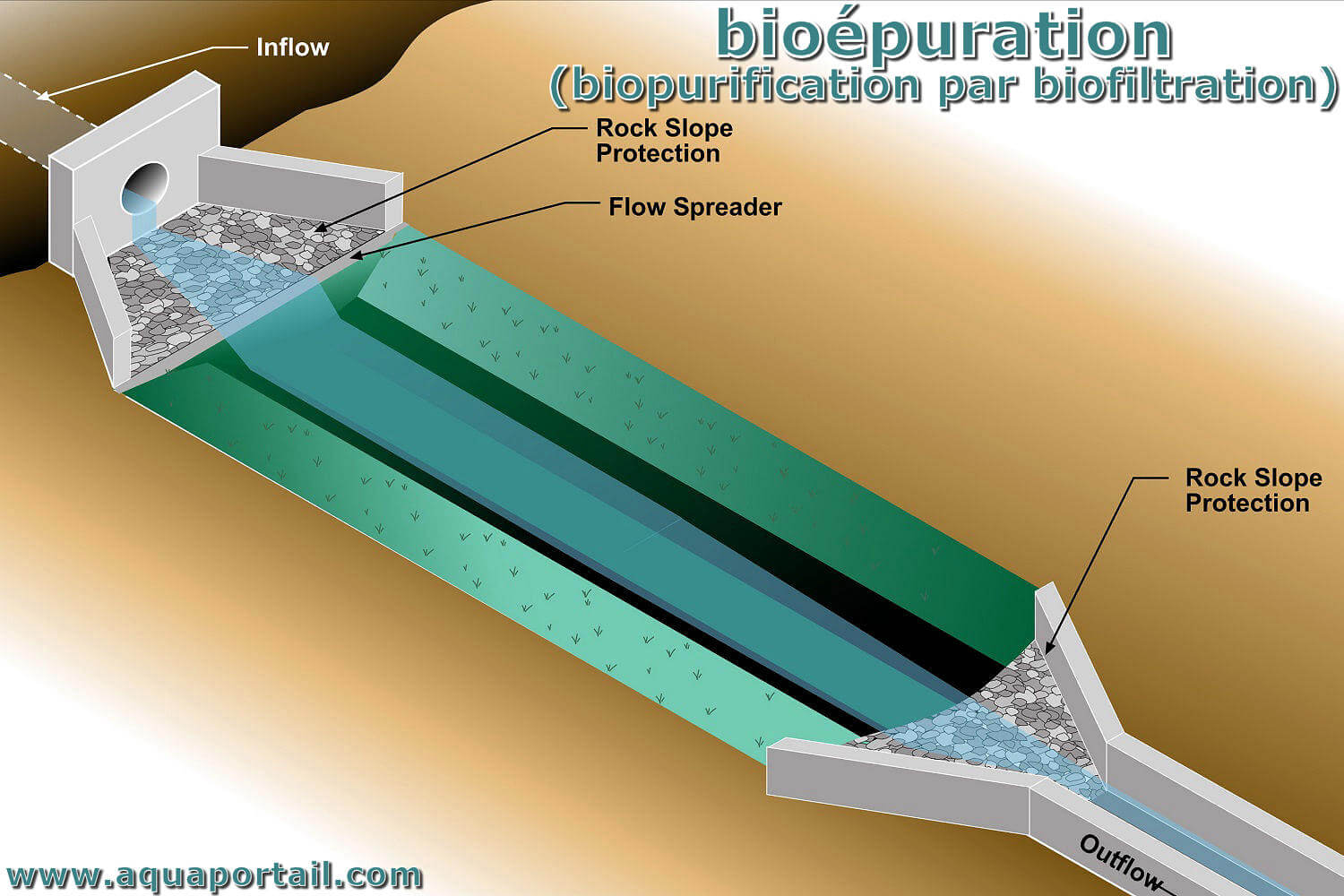
Bio-purification (biodepuration) refers to harnessing living organisms—such as plants, fungi, and symbiotic bacteria—to reduce pollution in an environment.
civilization

A civilization is generally defined as an advanced state of human society containing highly developed forms of government, culture, industry, and social...
cohabitation

Cohabitation is the simultaneous coexistence of several elements, similar or different, in the same place (habitat) over the same (extended) period.
concentration

Concentration (geographic) is the clustering of numerous elements around a central location.
