Nest
noun (n.)
Definition
A nest constitutes a shelter built by certain animals such as birds, some reptiles and insects, and a few fish, for egg-laying, incubation, brooding, and sometimes rearing offspring—the brood or clutch—when species are altricial. In insects, such as bees and wasps, nests serve as housing in addition to their reproductive functions. In mammals, the nest is not used for egg-laying (since they are viviparous) but solely for protecting the young, notably in burrows.
For nesting and nidification, eggs are laid in this protective refuge against predators. The highly variable materials used to build a nest differ across animal groups, and even between species.
Four clay-colored sparrow eggs occupy this nest:

The nest of the clay-colored sparrow Spizella pallida is built on the ground. These birds, sparrows living in brushy prairies and plains habitats, lay 3 to 5 eggs there—here 4—and nest in herbaceous vegetation that serves as protection.
Explanations
The best-known nests are those of birds. They are generally made of organic matter (twigs, grasses, leaves, mud), and may be located on branches or in a tree hollow, in a crevice or rocky cavity on the ground, or in another setting. In general, each species has its own distinct nest style, in location, shape, and materials, although some species share the same nests and even steal the nests of other species. A birdhouse (nest box) is a human adaptation designed to accommodate garden birds.
Birds build nests almost anywhere, on almost anything. Small owls build nests in tree cavities. Some even raise chicks in burrows, or old dens, in the ground. Old buildings and mud structures serve as static nests simply adapted for use, while nests made of branches, herbaceous plants, and depressions in sand sometimes provide a suitable site for various bird species. Eagles carry large branches to their high nests atop rocky peaks. Other birds use leaves, mud, saliva, debris, string, and their own feathers to build nests to raise their brood.
Amphibians and reptiles limit themselves to depositing their eggs in a prepared spot, the nest, without providing subsequent care. The nest of amphibious animals, such as anurans, is a bubble nest, much like that of certain fish.
In aquatic environments, nests also exist among nest-building fish, with two approaches:
- a nest in the sand or substrate in the case of a few marine species such as certain triggerfish;
- a bubble nest, particularly well known in the Siamese fighting fish, and more generally among labyrinth fish.
✅ The stickleback has the unique trait of building a true nest, like birds, but underwater, constructing it from aquatic plants.
Among mammals that are not oviparous, certain species build nests; for example, mice or squirrels build a nest resembling that of passerines high in oaks or pines. Certain primates, such as chimpanzees and gorillas, may construct temporary nests to spend the night.
Synonyms, antonyms
Spanish translation: nido
7 synonyms (similar meaning) for "nest":
- brood
- den
- dwelling
- hatchery
- home
- nest box
- shelter
0 antonyms (opposite meaning).
Related words and expressions to NEST are directly connected by general or specific meaning.
The word NEST is listed on page 1 of words starting with N in the dictionary glossary.
Related to "nest"
sheltered
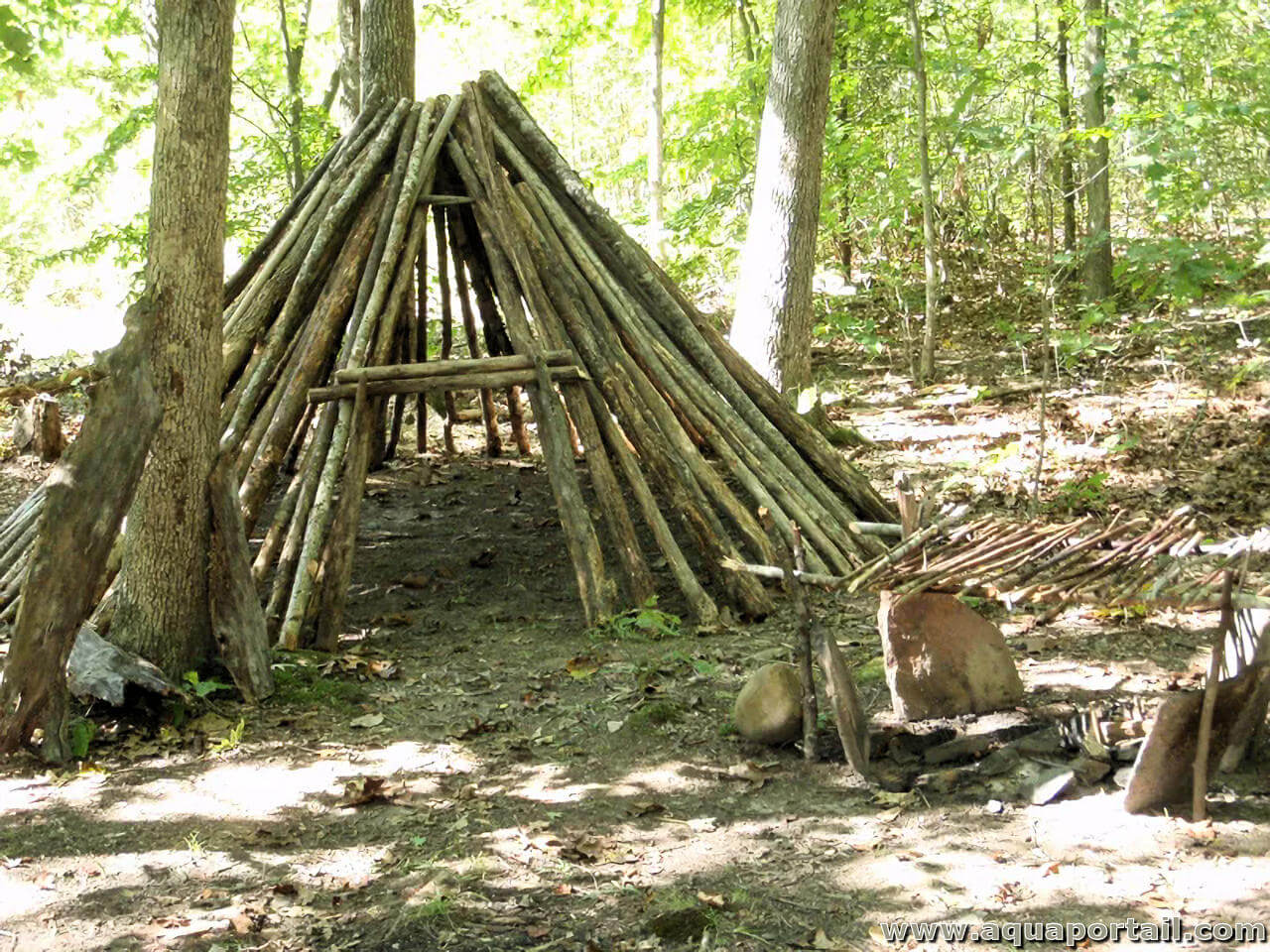
What is sheltered is situated in a refuge and protected from the elements (wind, precipitation, sun, storm) beneath a protective system.
nanobacterium
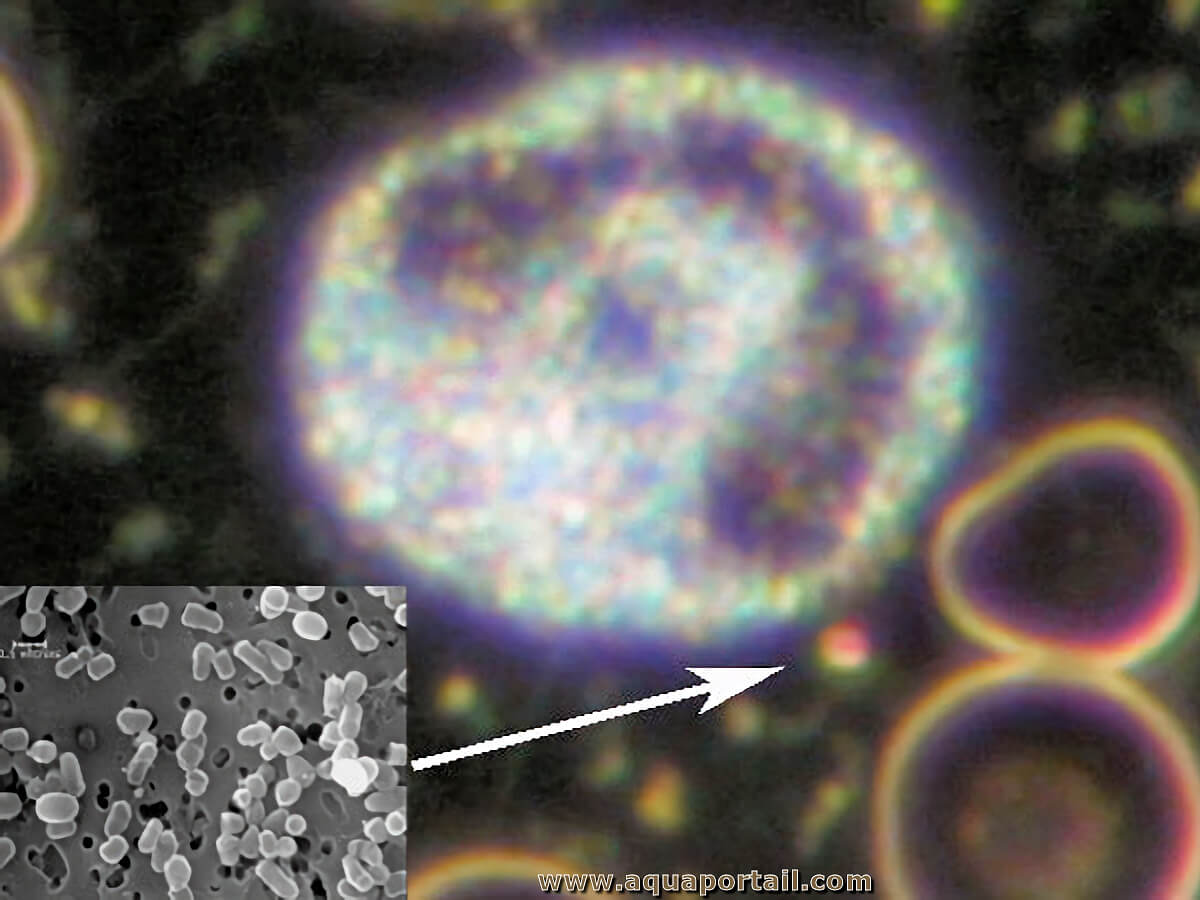
A nanobacterium is a submicron particle initially described as a hypothetical bacterial microorganism the size of a nanobe.
nanobe
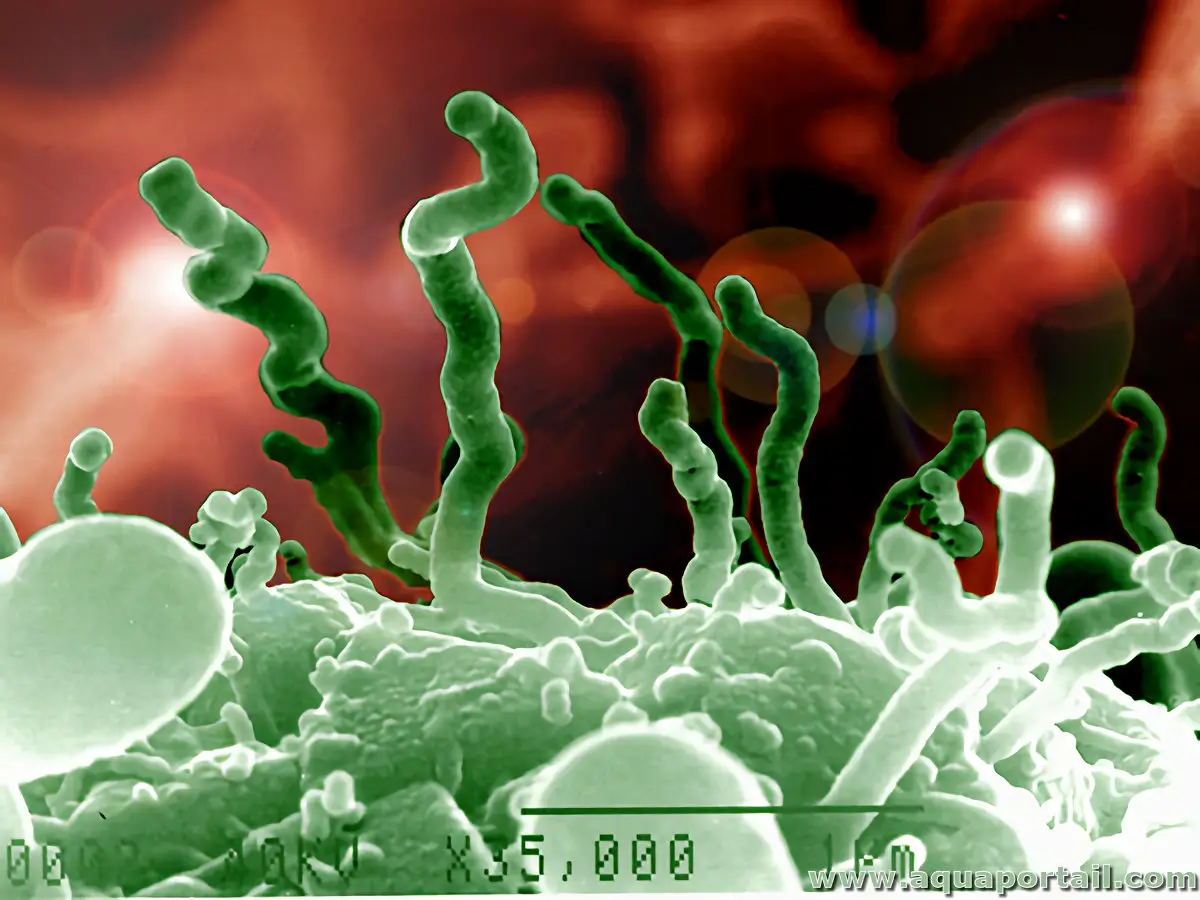
A nanobe is a tiny filamentous structure initially proposed as a hypothetical nanometer-scale microbe discovered in certain rocks and sediments, closely...
natural environment

The natural environment is the environment of nature that characterizes a habitat area with an artificially unmodified biotope, integrating an ecosystem where...
