Node
noun (n.)
Definition
In plants, a node is the point of attachment of a leaf on a stem that is swollen and somewhat articulated at that spot. The space separating two nodes is called an internode. It marks a zone of localized xylem proliferation (poaceous plants), a more swollen area of the stem where a pair of leaves arises. It delimits the localized swelling of a stem at which leaves insert. The node is the shoot axis on which one or more leaves are attached.
Two nodes on a stem:

Leaves are inserted at nodes on this young ash stem shoot.
Explanations
Nodes may be glabrous or hairy, depending on the type of plant. ✅ The term node refers to the frequent thickening of the shoot axis at the point of leaf attachment. The term Nodus was already used by Albertus Magnus (1192–1280) in his work De Vegetabilibus.
See also Gordian worm, whose name derives from the Gordian knot.
Other definitions
In algae, a node is a point of differentiation along an axis. In Charales algae, nodal cells divide, whereas internodal cells elongate without dividing.
In animals, a node is a group of nodal cardiac cells constituting the center that generates a rhythmic nerve impulse triggering heart contractions.
In vertebrate embryos and in adult fish and amphibians, it refers to the sinoatrial node located in the wall of the sinus venosus.
In adult birds and mammals, the sinoatrial node (of Keith and Flack) is the most anterior, near the opening of the superior vena cava, followed by the atrioventricular node (of Aschoff-Tawara) located in the interatrial septum.
Node anatomy in botany
Vascular bundles branching out into the leaves leave gaps in the stem's vascular cylinder, known as leaf gaps (lacunae). The number of lacunae and leaf traces varies and is of systematic interest. The most common types are:
- simple (unilacunar, lacunar): a single leaf trace branches off at a node and leaves one gap
- two-trace (dilacunar, bilacunar): two leaf traces branch off at a node and leave a common gap
- three-trace (trilacunar): three leaf traces branch off at a node, each leaving a gap
- multitrace (multilacunar, plurilacunar): more than three leaf traces branch off at a node, each leaving a gap; this frequently occurs in plants that form a basal leaf sheath, such as umbellifers or knotweeds
Occasionally, glands are present on a node. These glands contain essential oils whose scent is known to repel flies and mosquitoes. Tendrils may also emerge from nodes, as in plants of the genus Vitis such as grapevine, plants of the genus Ampelopsis, and plants of the cucumber family.
Synonyms, antonyms
French translation:
noeudSpanish translation: nudo
1 synonym (similar meaning) for "node":
0 antonyms (opposite meaning).
Related words and expressions to NODE are directly connected by general or specific meaning.
The word NODE is listed on page 1 of words starting with N in the dictionary glossary.
Related to "node"
echinoderm
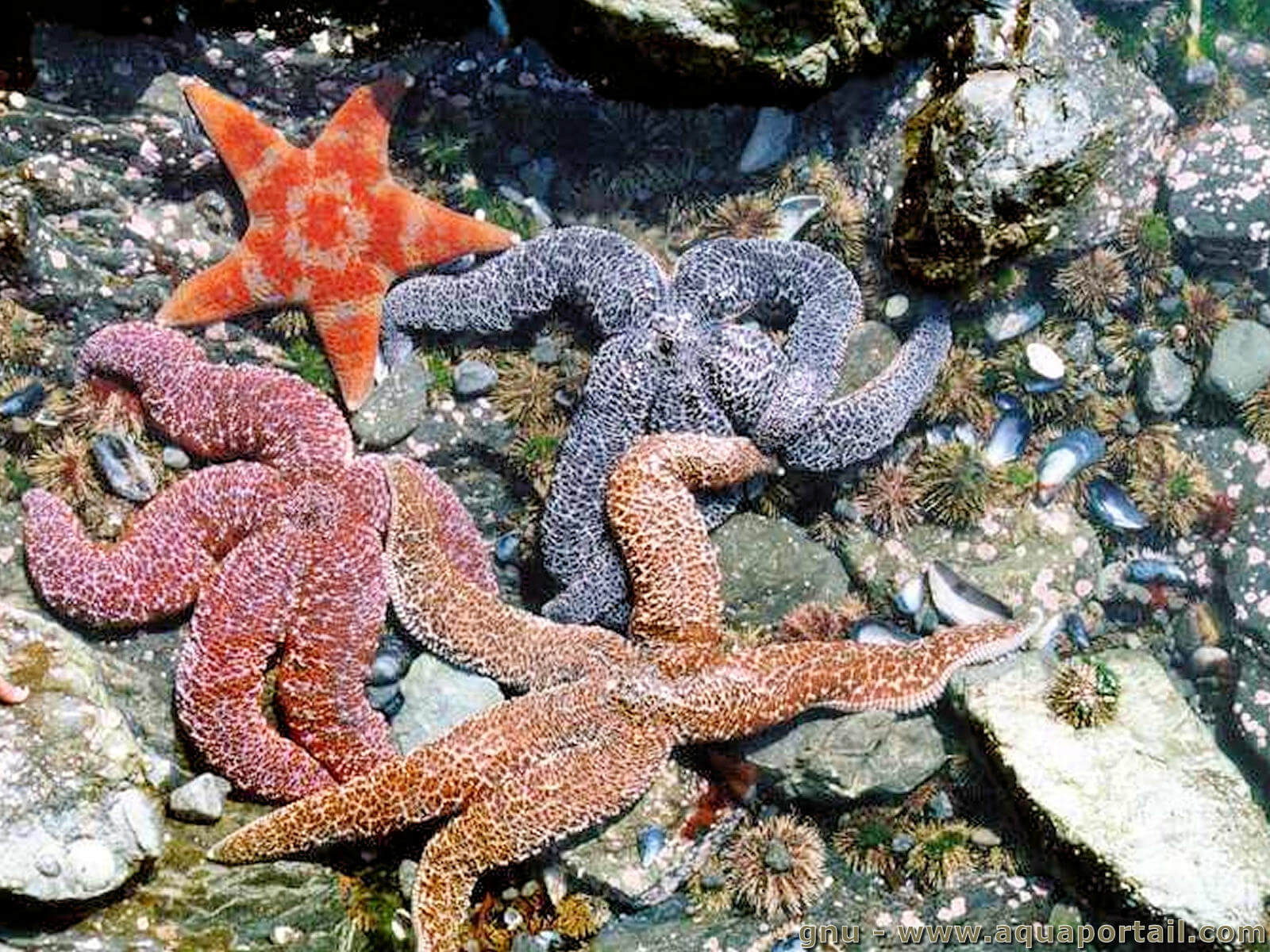
An echinoderm belongs to a lineage of invertebrates, the phylum Echinodermata, found exclusively in the world's oceans : starfish, brittle stars, sea urchins...
nanobacterium
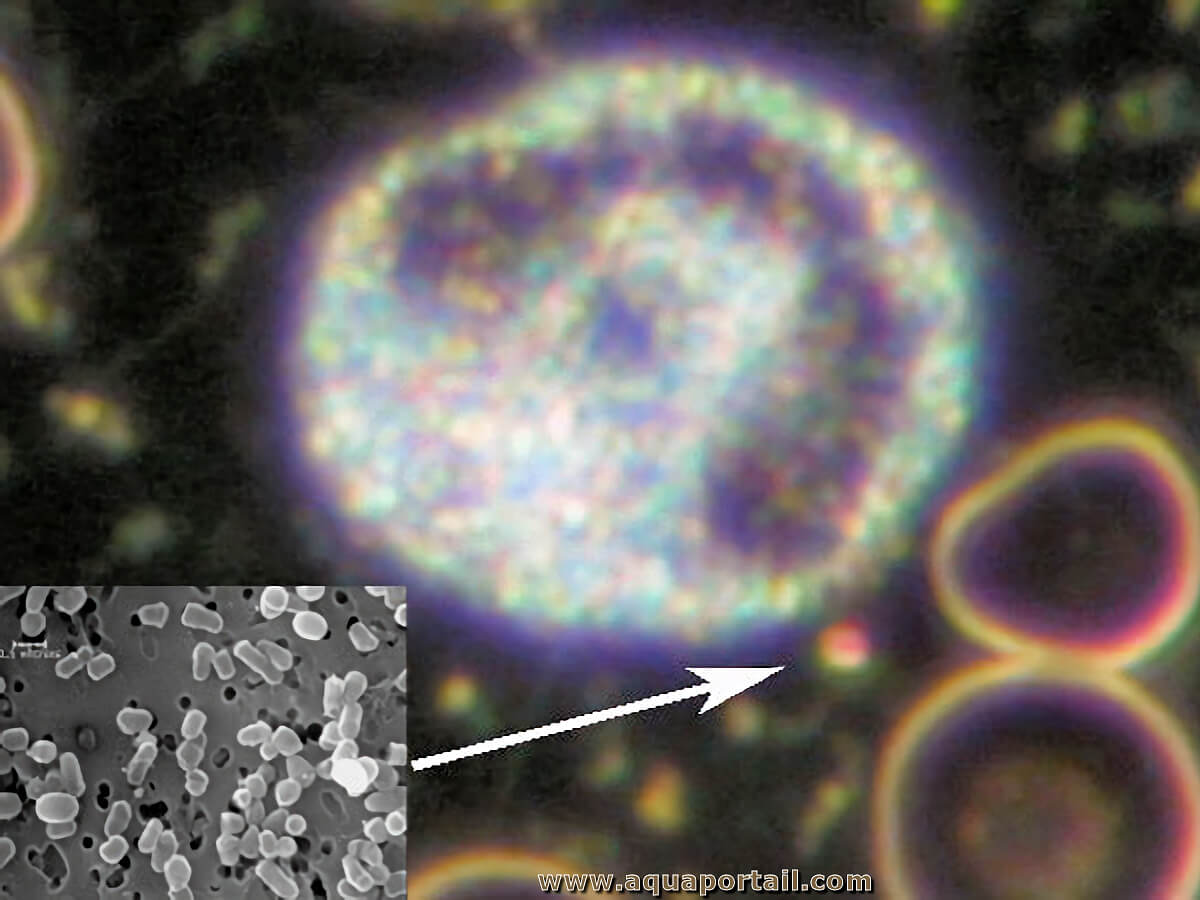
A nanobacterium is a submicron particle initially described as a hypothetical bacterial microorganism the size of a nanobe.
nanobe
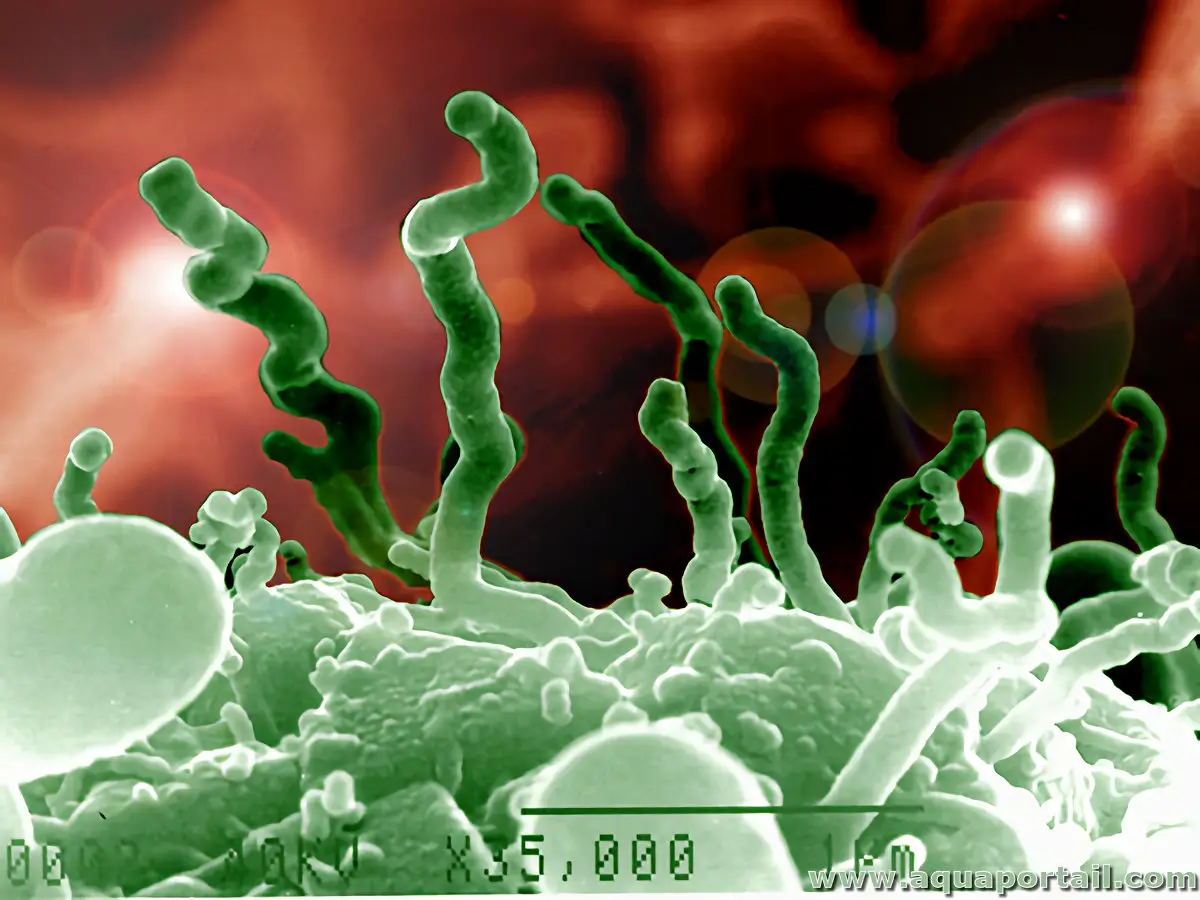
A nanobe is a tiny filamentous structure initially proposed as a hypothetical nanometer-scale microbe discovered in certain rocks and sediments, closely...
natural environment

The natural environment is the environment of nature that characterizes a habitat area with an artificially unmodified biotope, integrating an ecosystem where...
