Echinoderm
noun (n.)
Definition
An echinoderm belongs to a lineage of invertebrates, the phylum Echinodermata, found exclusively in the world's oceans: starfish, brittle stars, sea urchins, crinoids, and sea cucumbers (holothurians). There are nearly 6,300 species in this phylum of deuterostome bilateral invertebrates, making it the second largest animal group within Deuterostomia after chordates (Chordata).
Echinoderms in an underwater environment:
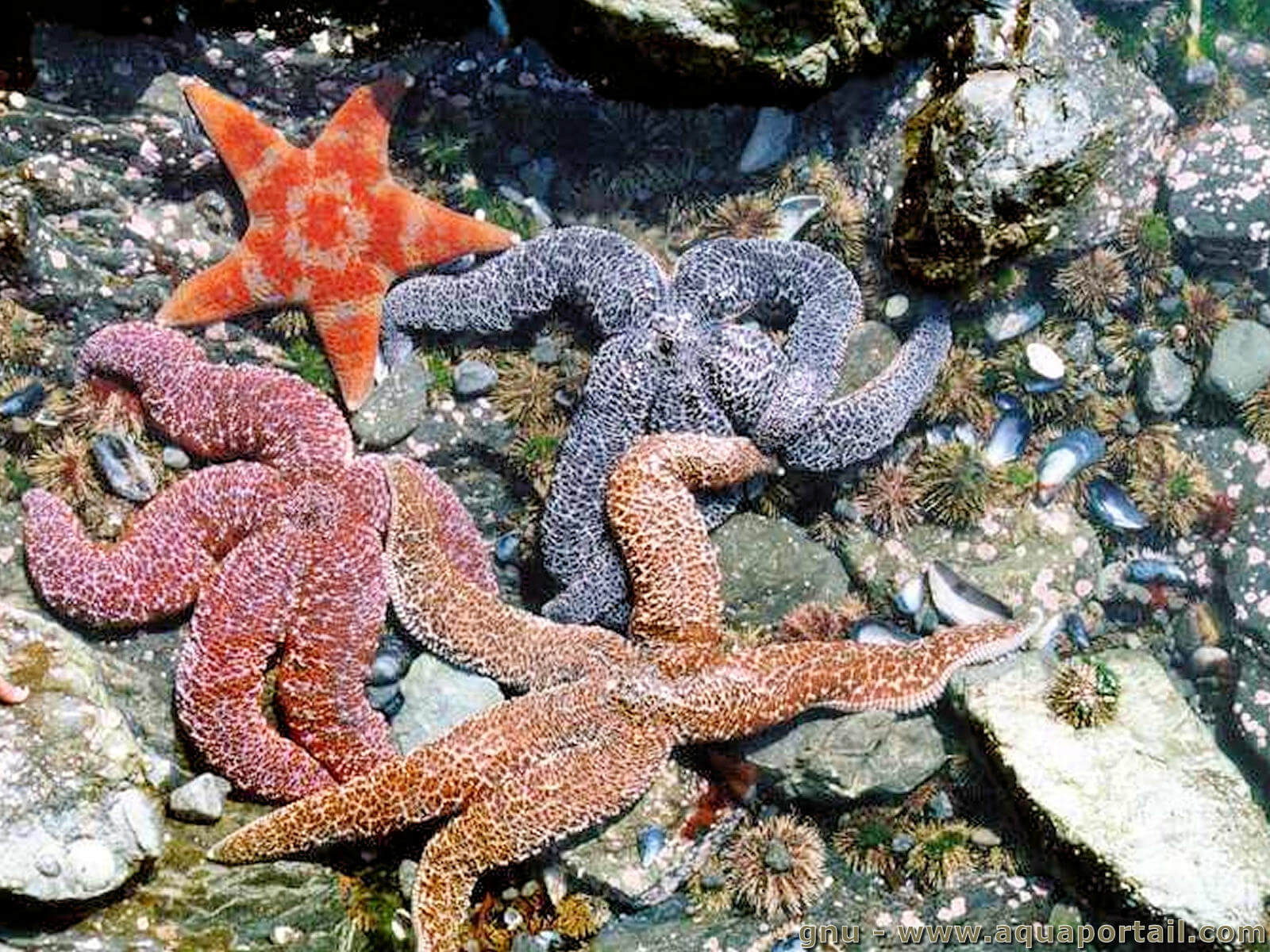
A fine array of echinoderms with starfish and sea urchins in a rocky intertidal zone.
Explanations
The phylum Echinodermata comprises multicellular marine invertebrates with a calcareous skeleton and five-fold radial symmetry. larvae (pluteus, echinopluteus, ophiopluteus) are planktonic. Adults are benthic, most often sedentary. Echinoderms, such as Amphiura filiformis, have several larval stages, one of which, the ophiopluteus, is very abundant in coastal plankton (mesoplankton, macroplankton) for a few weeks.
All are marine creatures that, apart from a few deep-water species, are strictly benthic bottom dwellers. Species live primarily in shallow seas. In addition to their ecological importance, they also hold geological significance because their dead tests and skeletal parts contribute substantially to limestone formation.
When one skeletal type predominates, they are given names such as trochite or crinoidal ossicle, which can be found in the Limestone Alps, among other places. In terms of quantity, however, deposits of tiny floating calcareous algae predominate.
Echinoderms are traditionally divided into mostly stalked pelmatozoans and free-living eleutherozoans. Pelmatozoa include several fossil taxa as well as feather stars and sea lilies Crinoidea. Eleutherozoa include the best-known echinoderm groups: starfish Asteroidea and brittle stars Ophiuroidea, sea urchins Echinoidea, and holothurians Holothuroidea.
Most echinoderms reach body sizes of less than ten centimeters (4 in) in length or diameter. However, very large species also exist. Certain sea cucumbers can reach lengths of up to two meters (6.6 ft), and certain starfish have a diameter of up to one meter (3.3 ft). The largest echinoderms were extinct species of sea lilies (fossil crinoids) whose stalk lengths could reach 20 meters (66 ft).
In body shape, star-shaped animals predominate with starfish and brittle stars (serpent stars). Sea urchins generally have a spherical shape which, like sand dollars, can also be flattened, and they often bear spines of widely varying forms. Sea cucumbers have an elongated, sometimes almost worm-like shape.
Crinoids in turn represent sessile or semi-sessile animals (attached to the seabed), in which a calyx bearing numerous branched arms sits atop a long stalk and filters food particles out of the water.
The diverse spines are calcareous structures that have grown out of the skeleton and are covered by an epidermis. They serve several important functions: primarily protecting the animals against predators, as well as burrowing, anchoring to the seabed, and locomotion. Spines can contain toxins (as in certain sea urchins) as well as sensory organs, for example photoreceptors in starfish. As a form of specialized pedicellariae, certain appendages can even be used to remove parasites or catch prey.
Synonyms, antonyms
Spanish translation: equinodermo
1 synonym (similar meaning) for "echinoderm":
0 antonyms (opposite meaning).
Related words and expressions to ECHINODERM are directly connected by general or specific meaning.
The word ECHINODERM is listed on page 1 of words starting with E in the dictionary glossary.
Related to "echinoderm"
E=mc2
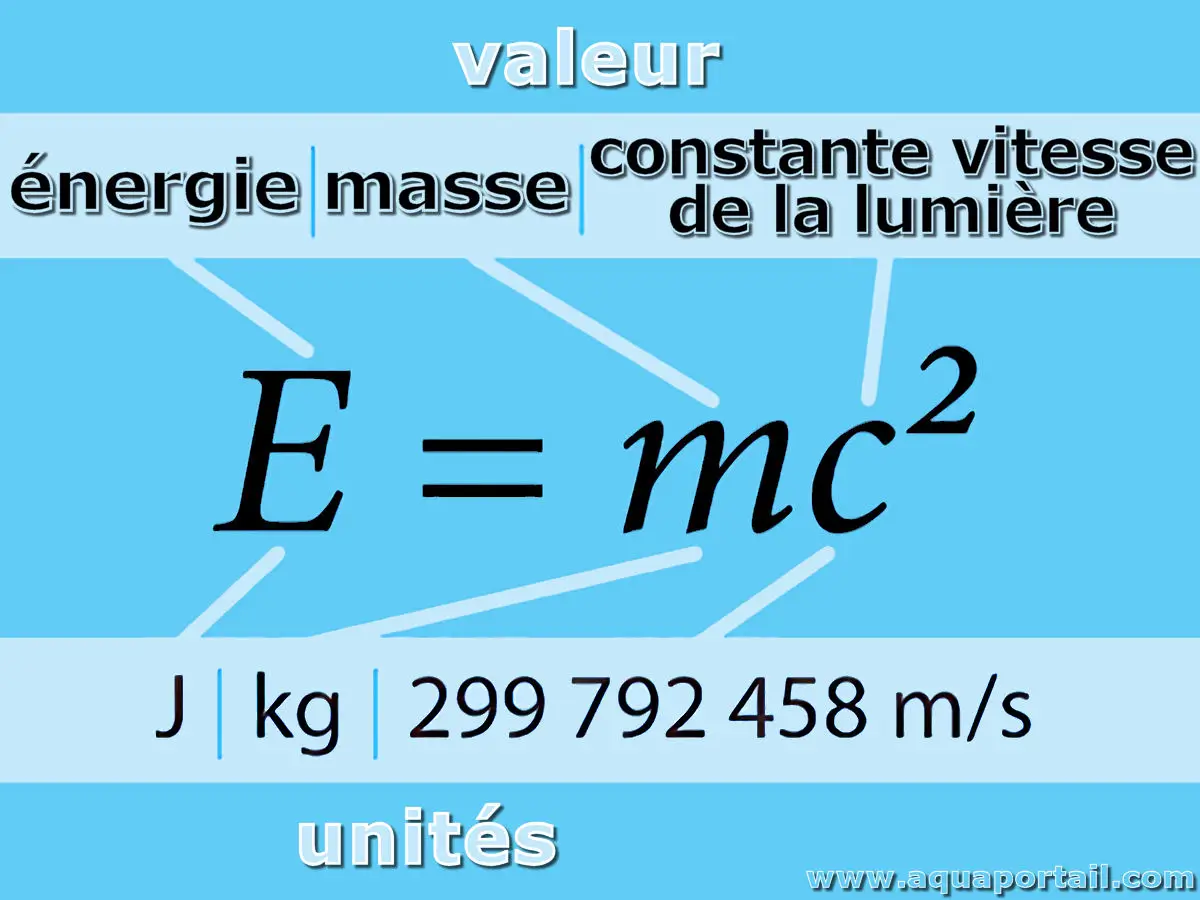
The formula E=mc2 (E = m. c²) is a mass-energy equivalence equation according to the theory of relativity developed by Albert Einstein. It expresses that...
Ecdysozoa

Ecdysozoans, of the superphylum Ecdysozoa, are protostomes undergoing ecdysis within Bilateria.
eco-grazing

Eco-grazing is ecological grazing carried out with small ruminants on a meadow or green space in an urban environment.
ecophysiology
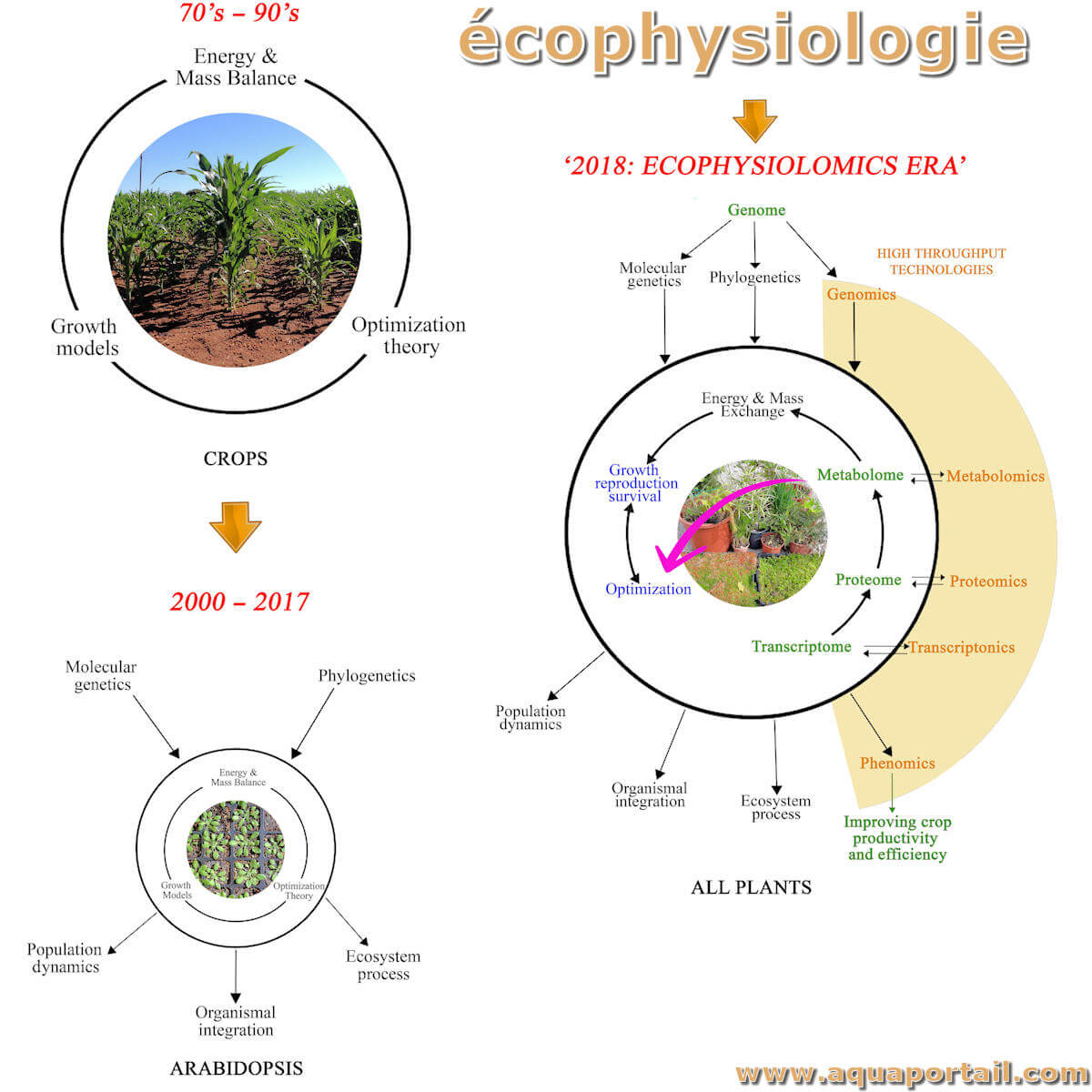
Ecophysiology is the study of the interrelationship between an organism's normal physical function and its environment.
Simple summary
An echinoderm is a type of marine animal belonging to the phylum Echinodermata. These invertebrates are characterized by radial symmetry, a calcareous endoskeleton, and a water vascular system that facilitates locomotion and feeding. Common examples of echinoderms include starfish, brittle stars, sea urchins, sea cucumbers, and feather stars. They live primarily on benthic seafloors.
