Ecdysozoa
proper noun
Definition
Ecdysozoans, of the superphylum Ecdysozoa, are protostomes undergoing ecdysis within Bilateria. Ecdysozoa is divided into 3 clades: Scalidophora, Nematoida, and Panarthropoda. They include various animal phyla such as arthropods, tardigrades, and nematodes.
Phylogeny of the main ecdysozoan groups:

View of the phylogeny of the superphylum Ecdysozoa with the main ecdysozoan groups.
Explanations
An ecdysozoan is a protostome that molts through exuviation. Ecdysozoa constitutes the second major clade within Bilateria, and includes a subset of the animal phyla generally considered part of Protostomia.
The defining characteristic of ecdysozoans is the presence of a cuticle that molts periodically, a process known as ecdysis. Ecdysozoans are characterized by an ancestral vermiform body plan, an annulated or jointed cuticle, and a terminal mouth in the presumed adult form.
The key synapomorphy uniting ecdysozoans is the possession of a periodically molting cuticle (a process called ecdysis). The phyla of ecdysozoans are arthropods (for example, insects, crustaceans, myriapods, and chelicerates), onychophorans (velvet worms), tardigrades (water bears), nematodes (roundworms), nematomorphs (horsehair worms), priapulids, loriciferans, and kinorhynchs (mud dragons).
Probably concomitant with the evolution of a cuticle covering the entire body surface, ecdysozoans lost the motile epidermal cilia widespread in other animal phyla. Moreover, unlike many other invertebrates, the life cycle of ecdysozoans does not include a free-swimming ciliated larval stage (such as the trochophore). They are therefore said to exhibit development without a free-swimming ciliated larva, rather than indirect development via a ciliated larval stage, which characterizes the life cycles of many marine invertebrates.
Phylogenetic history
The discovery of the clade Ecdysozoa sparked considerable debate, primarily by refuting the widely accepted Articulata hypothesis. Traditionally, annelids and arthropods were considered closely related as articulates based on the shared possession of body segmentation. The striking morphological and developmental similarities between segmentation in these two groups were widely regarded as among the most reliable homologies identifiable across different animal phyla. Placing arthropods within Ecdysozoa and relegating annelids to the third major bilaterian clade, Lophotrochozoa, required assuming either that segmentation evolved independently in annelids and arthropods, or if it is indeed homologous, that segmentation must have been lost in numerous other animal phyla.
Molecular and fossil data indicate that ecdysozoans are an ancient group originating in the terminal Proterozoic, and exceptional fossil biotas demonstrate their dominance and diversity in the early Phanerozoic. However, the nature of the common ancestor of ecdysozoans has been difficult to determine due to the extreme morphological diversity of extant ecdysozoans and the absence of early diverging taxa in ancient fossil biotas.
Along with Spiralia (for example, mollusks, flatworms, and annelids) and Deuterostomia (for example, chordates and echinoderms), Ecdysozoa represents one of the main subdivisions of bilaterian animals. Ecdysozoa encompasses the vast majority of this bilaterian animal diversity (and indeed of animals in general), primarily through megadiverse arthropods. Together with Spiralia, ecdysozoans comprise Protostomia. Molecular clocks indicate that the divergence between Ecdysozoa and Spiralia occurred in the Ediacaran, though the group does not appear with certainty in the fossil record before the base of the Cambrian, although certain late Ediacaran trace fossils are potentially attributable to ecdysozoans. Cycloneuralians (worm-like ecdysozoans) and panarthropods (ecdysozoans bearing paired appendages) then appear rapidly, marking important stratigraphic boundaries and seemingly tracking the duration of the Cambrian explosion itself.
Hypotheses concerning the origins and early evolution of multiple ecdysozoan subgroups have been proposed from their spectacular Cambrian fossil record, yet all taxa belong to either Cycloneuralia (Scalidophora + Nematoida) or Panarthropoda, with little information on ancestral ecdysozoan traits beyond character optimization from crown-group taxon trees.
Synonyms, antonyms
Spanish translation: ecdisozoos
1 synonym (similar meaning) for "ecdysozoa":
0 antonyms (opposite meaning).
Related words and expressions to ECDYSOZOA are directly connected by general or specific meaning.
The word ECDYSOZOA is listed on page 1 of words starting with E in the dictionary glossary.
Related to "Ecdysozoa"
arthropod
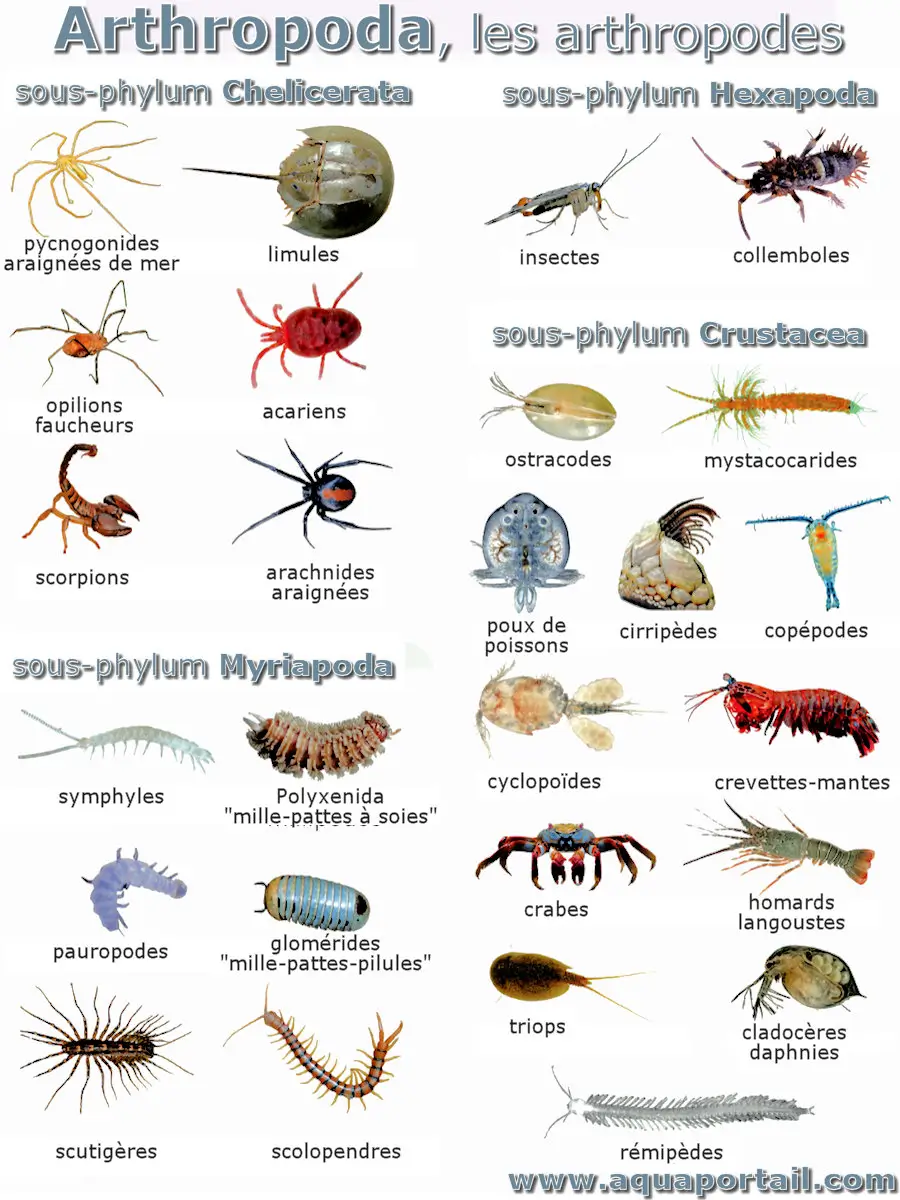
An arthropod is an invertebrate animal of the phylum Arthropoda, which is the most diverse in the animal kingdom, including insects, spiders, crustaceans...
nematode

Nematodes are elongated roundworms whose adult and larval stages parasitize various aquatic species.
E=mc2

The formula E=mc2 (E = m. c²) is a mass-energy equivalence equation according to the theory of relativity developed by Albert Einstein. It expresses that...
echinoderm
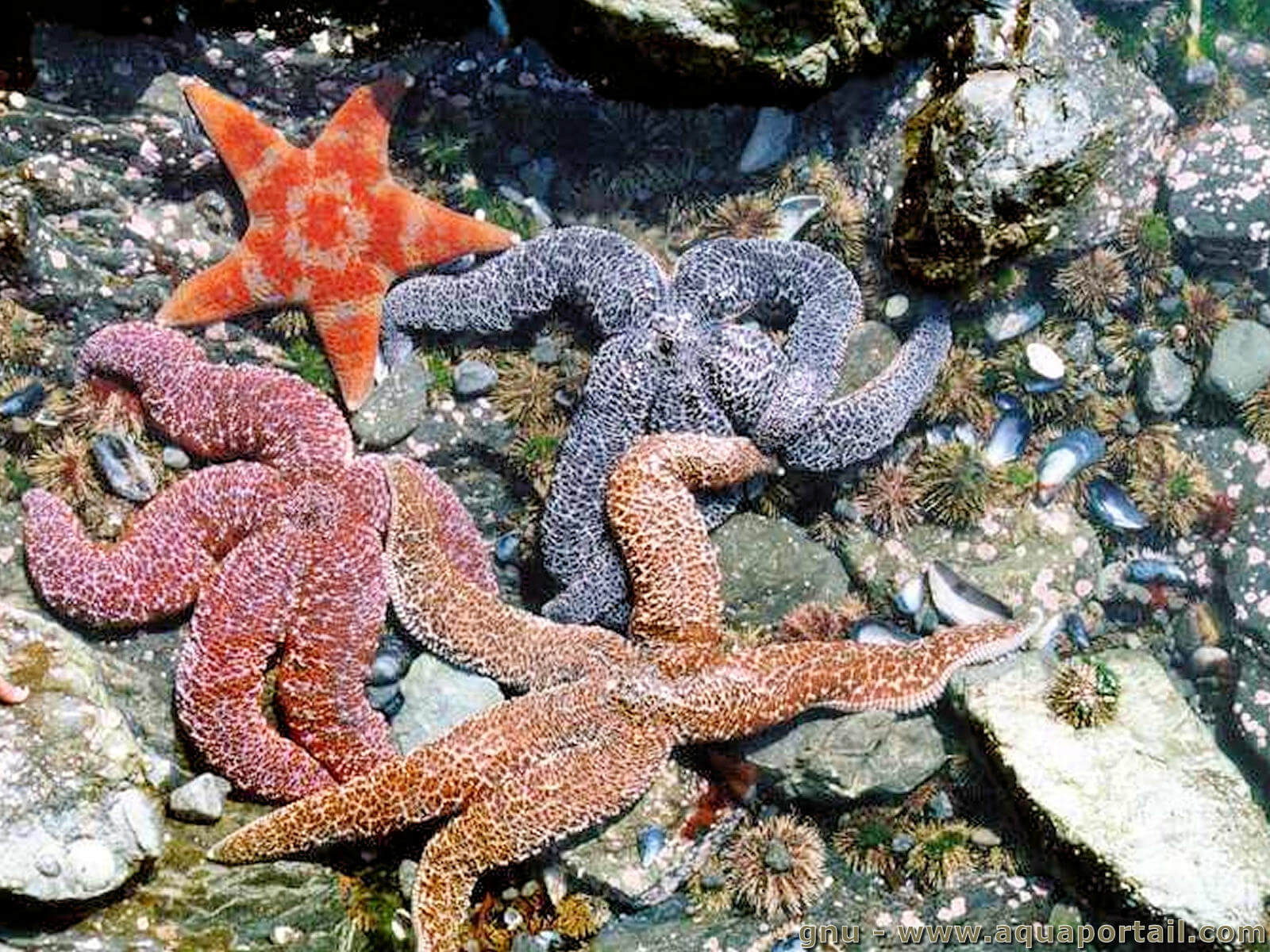
An echinoderm belongs to a lineage of invertebrates, the phylum Echinodermata, found exclusively in the world's oceans : starfish, brittle stars, sea urchins...
