Eco-grazing
noun (n.)
Definition
Eco-grazing is ecological grazing carried out with small ruminants on a meadow or green space in an urban environment. This technique for mowing herbaceous plants and grasses achieves results without using machinery or chemical products such as herbicides. Sheep and goats are known to browse far more plant species than cattle, for example, and moving a herd is simpler.Eco-grazing with sheep and goats:
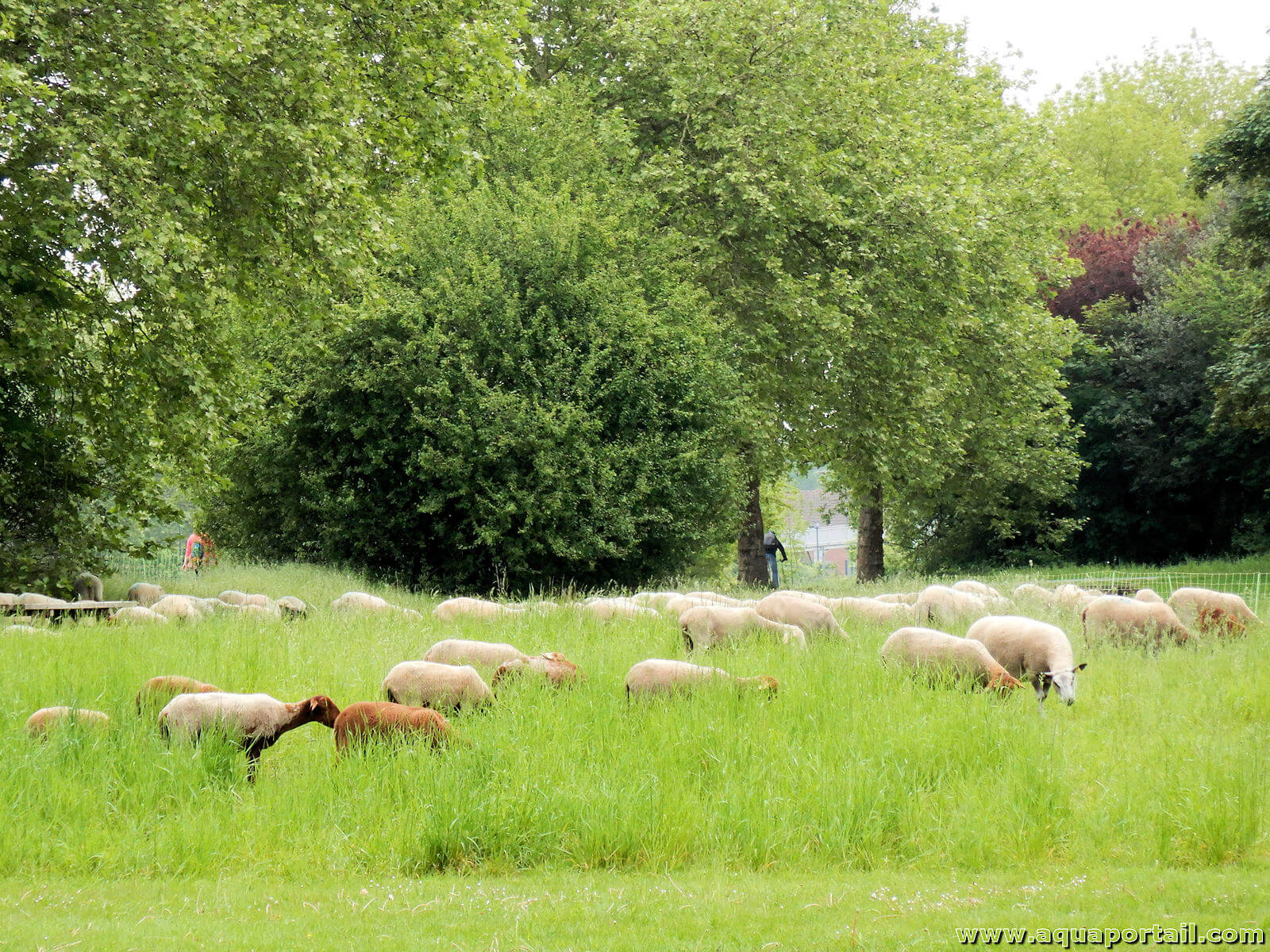
Eco-grazing uses sheep and goats, including in urban areas, to graze on a grassy meadow, avoiding the use of mechanized tools and herbicides.
Explanations
Eco-grazing is mainly practiced in inhabited areas, a form of pastoralism, and is limited to restricted surfaces. Nevertheless, it can be done on a larger scale, over a larger area when obtaining fodder is not necessary. Eco-grazing is not limited to intra-urban or peri-urban zones.
Small ruminants graze rocky and hilly areas that their human counterparts would struggle to maintain, with the added benefit of reducing herbicides and carbon emissions from equipment.
As the world seeks ecological adaptations to traditional practices, small ruminants could be a solution. Their unique grazing patterns and ability to thrive on diverse terrains, along with increased demand for sheep and goat products, have LED to a rise in small ruminant numbers.
Whether as an eco-friendly way to manage weeds, minimize wildfire risks, or help forests and pastures thrive, there is no doubt that small ruminants are an ecological addition to the animal agriculture toolkit.
Herd work in eco-grazing
Small ruminants do their part to prevent wildfires by acting as brush control. The agile animals can graze in areas inaccessible to mowers and clear undergrowth in forests and woods. By eating their way through greenery, sheep and goats significantly reduce the amount of tinder that could catch fire once areas dry out.
Sheep and goats can also help forests thrive. Some places have seen the number of healthy trees double in areas where sheep graze. Beyond that, each tree can grow 30% more compared to areas that have not been eco-grazed. The grazing habits of small ruminants can also help improve wildlife diversity and maintain biological diversity.
✅ Goats have seen considerable growth during this 21st century, with dairy goat herds nearly doubling since the year 2000. Goat milk has gained growing popularity as consumer interest in dairy options increases. Goat milk, which contains less lactose and different proteins than traditional cow's milk, can be an option for people allergic to milk.
✅ Once in high demand for wool, sheep production declined as synthetic fibers gained popularity. However, through eco-grazing practices, sheep flocks have experienced a slow rebound, with numbers rising since 2015. Sheep production has diversified to include wool, hair, and meat production.
Environmental benefits
Farmers specializing in sheep and goats are not the only ones enjoying the animal's environmental benefits. Beef producers have also added sheep and goats to their pastures. Small ruminants have different dietary preferences and grazing patterns than cattle. This allows producers to make better use of their land. Sheep and goats can also help minimize invasive species and can often eat plants toxic to cattle. This eliminates one of the problems resulting from overgrazing.
Some livestock producers subcontract sheep and goats for weed control, much like companies would spray weeds. Small ruminants can be more effective than chemical sprays because they eat the seed heads of noxious plants, preventing seeds from germinating. The animals also help recycle nutrients into the soil, encouraging the growth of native plants and improving pasture quality.
Thus, there is now room for farmers who can project a more positive image of eco-grazing through their professionalism and by meeting the needs of municipalities and local authorities for maintaining their land.
Considerations
Eco-grazing has gained popularity for the benefits it can bring to farmers, animals, and the land. Eco-grazing is an alternative solution to environmental management using semi-wild breeds of grazing animals to maintain a variety of wild habitats and promote biodiversity, particularly among breeds considered to have little commercial value.
Breeders benefit from free access to land by defining environmental specifications, and they can put animals out to graze on these municipal plots, which therefore cost nothing over the year. Transport costs for small ruminants are much lower than those for a farm. And that is where heritage breeds come into their own. Thus, eco-grazing makes it economically viable to raise heritage breeds, and of course, to safeguard the heritage of these breeds.
Small ruminants are very happy to graze on wet or steep terrain and can live on poor-quality grass, while producing many offspring (especially lambs for sheep).
Ultimately, eco-grazing and biodiversity are important tools in managing the natural environment and maintaining genetic diversity.
Synonyms, antonyms
Spanish translation: ecopastoreo
1 synonym (similar meaning) for "eco-grazing":
0 antonyms (opposite meaning).
Related words and expressions to ECO-GRAZING are directly connected by general or specific meaning.
The word ECO-GRAZING is listed on page 1 of words starting with E in the dictionary glossary.
Related to "eco-grazing"
pasture

Pasture is agricultural land covered with grasses and herbaceous vegetation on which livestock graze.
E=mc2

The formula E=mc2 (E = m. c²) is a mass-energy equivalence equation according to the theory of relativity developed by Albert Einstein. It expresses that...
Ecdysozoa

Ecdysozoans, of the superphylum Ecdysozoa, are protostomes undergoing ecdysis within Bilateria.
echinoderm
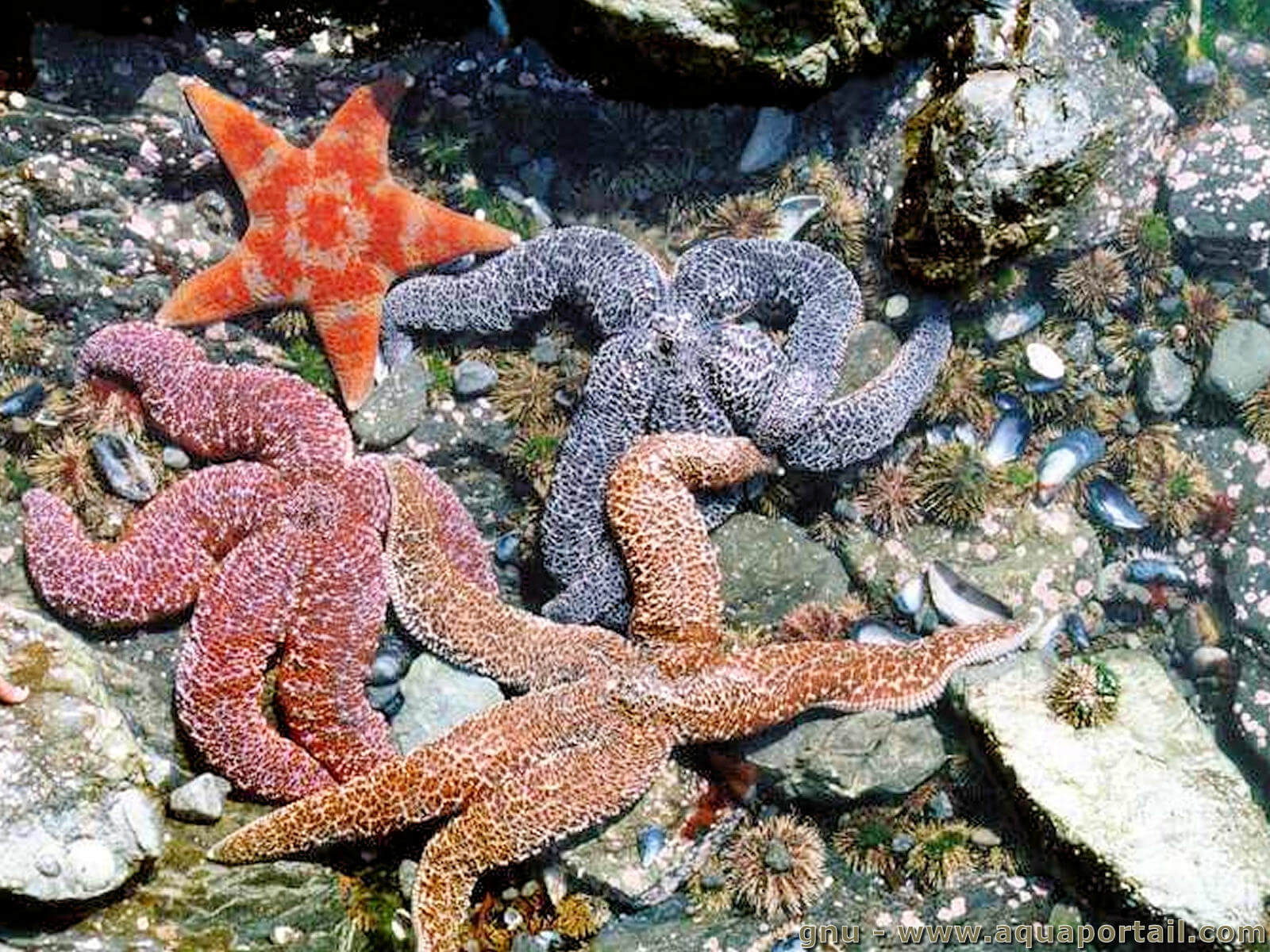
An echinoderm belongs to a lineage of invertebrates, the phylum Echinodermata, found exclusively in the world's oceans : starfish, brittle stars, sea urchins...
