Efflorescence
noun (n.)
Definition
In botany, efflorescence is a term often applied to terrestrial plants for flowering or to aquatic algae and phanerogams that may bloom simultaneously, like an algal bloom. It is an efflorescence of algae of the species Trichodesmium erythraeum that gives a sea its specific name, the Red Sea, even though it remains deep blue most of the time except during blooms of this alga.
An efflorescence of flowers:

The principle of floral efflorescence is used in horticulture (floriculture) to induce simultaneous blooming across numerous species.
Cyanobacterial algae
Cyanobacterial harmful algal blooms (CyanoHABs) occur in water bodies. Certain environmental conditions in water bodies can intensify algal growth, causing algal proliferations. Blooms capable of harming human health or aquatic ecosystems are called harmful algal blooms or HABs.
In freshwater systems, cyanobacteria (also known as blue-green algae) are microorganisms that can produce HABs. Certain cyanobacterial HABs, or cyanoHABs, can produce toxins. CyanoHABs and their toxins can harm people, animals, aquatic ecosystems, the economy, drinking water supplies, property values, and recreational activities, including swimming and commercial and recreational fishing.
In chemistry
In chemistry, efflorescence is the property of certain hydrated salts that lose their water of crystallization. The phenomenon results from the vapor pressure difference between the hydrated compound and atmospheric water vapor pressure. Consequently, the compound's water of crystallization tends to leave the solid and enter the air as vapor under low-humidity conditions, causing the compound to become anhydrous. Classic examples of efflorescent compounds include gypsum and copper sulfate pentahydrate (which turns from blue to white). Other efflorescent compounds include certain hydrated chlorides and nitrates. This can be regarded as the opposite of deliquescence, the tendency to absorb atmospheric moisture.
In medicine
In medicine, cutaneous efflorescence identifies mild skin eruptions or blemishes.
In construction
In building construction, crystallization efflorescence refers to white crystalline deposits appearing on surface finishes—such as floors (ceramic or otherwise), walls, and ceilings—resulting from the migration and subsequent evaporation of aqueous saline solutions. Deposits form when soluble salts in masonry components, mortars, adhesives, grouts, or ceramic tiles are carried by water used during construction, cleaning, or infiltration through pores in the surfacing materials; upon contact with air, these salts solidify, leaving deposits.
In constantly damp environments and with certain slow-drying salts, these deposits exhibit surface "exudation", turning coated areas white and impairing aesthetics. Notably, ceramic tiles and mortar contain internal voids, such as cavities, bubbles, open and closed pores, and an extensive network of microchannels through which water can travel by capillary action or hydraulic gradient pressure.
✅ If a salt efflorescence is hard and compact, it is called a "salt crust". The building-physics process leading to efflorescence is termed salinization.
See also hygroscopy.
Synonyms, antonyms
Spanish translation: eflorescencia
1 synonym (similar meaning) for "efflorescence":
0 antonyms (opposite meaning).
Related words and expressions to EFFLORESCENCE are directly connected by general or specific meaning.
The word EFFLORESCENCE is listed on page 1 of words starting with E in the dictionary glossary.
Related to "efflorescence"
algal bloom

An algal bloom is a pelagic phytoplankton proliferation or a phytoplankton bloom. The phenomenon of massive phytoplankton proliferation in the aquatic...
extrafloral nectary

An extrafloral nectary (or pseudonectary) is a nectar-secreting plant gland that develops outside flowers and is not directly involved in pollination.
floral
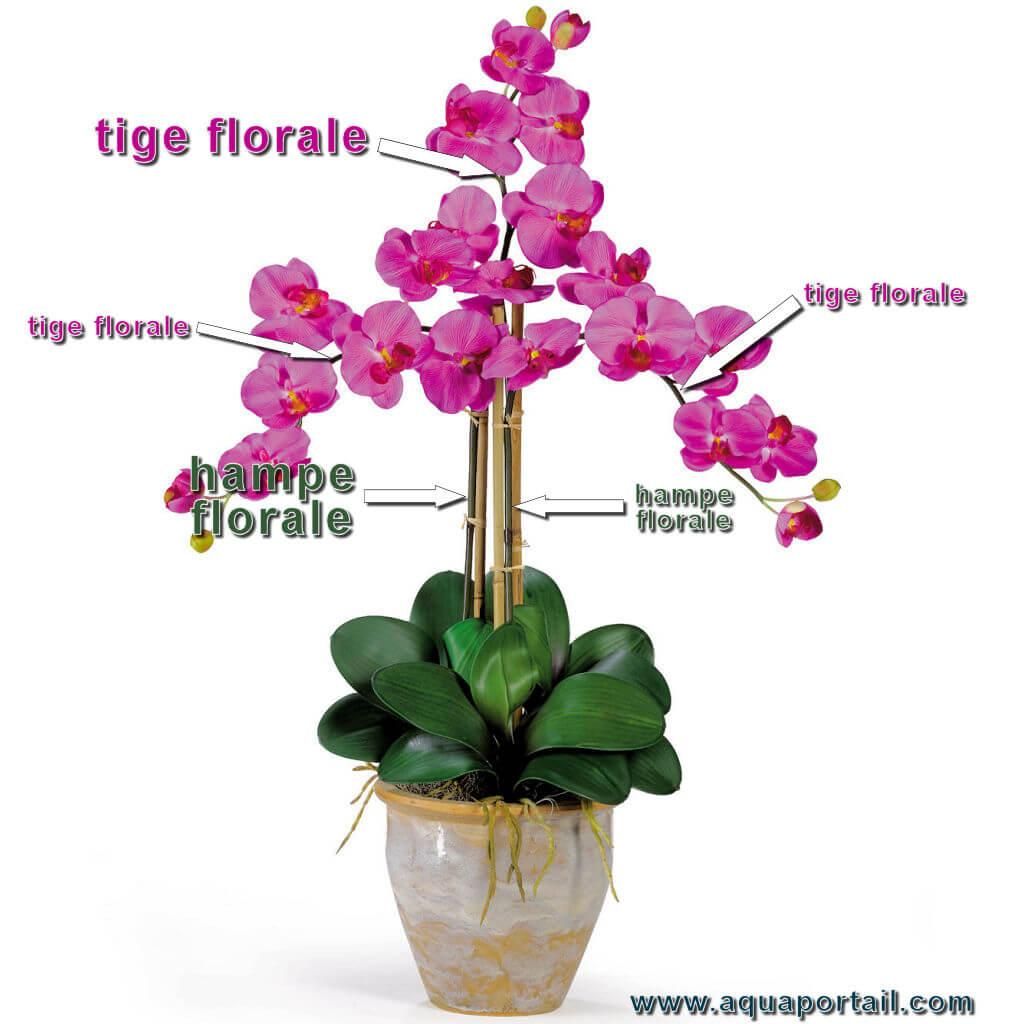
In botany, floral refers to anything closely associated with flora or an inflorescence, such as a flower or a flower scape.
bioluminescence
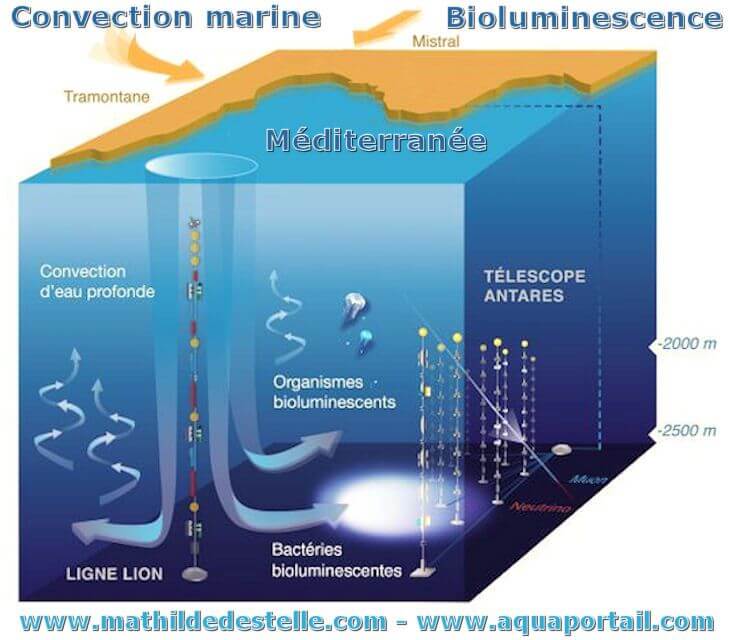
Bioluminescence consists of the production of visible light by chemiluminescence in certain living organisms.
