Soluble
noun (n.)
Definition
Something is soluble when it is capable of being dissolved in a liquid, particularly water. The soluble substance is the solute and the liquid is the solvent, and their mixture forms a solution. If a substance is not soluble, it is insoluble (generally immiscible).
Soluble and insoluble:

Example of soluble and insoluble mixtures. Sugar is soluble in water (aqueous solution), whereas oil is insoluble in water. Solubility is the ability of a solid, liquid, or gaseous chemical substance to dissolve in a solvent to form a solution.
Explanations
In a secondary sense, a problem is soluble when it can be solved. E.g.: There were periods when crime and disorder seemed soluble problems.
In physical chemistry, the solubility of a substance depends fundamentally on the solvent used, as well as temperature and pressure. Solubility is measured as the mass of solute per unit volume of solvent required to form a saturated solution.
The solubility of a substance, particularly in water, is listed alongside other physical properties such as boiling point.
Certain solute-solvent combinations are unfavorable for dissolution. If the properties of the substances do not generate favorable interactions, dissolution will not occur, and the solute is said to be insoluble in that solvent. An insoluble solute may undergo minimal solvation in the solvent, yet the vast majority remains undissolved.
Liquids that mix together to form solutions are called "miscible." When two liquids do not mix to form a solution, they are termed "immiscible."
The rule "like dissolves like" means that solutes dissolve in solvents possessing similar chemical properties. Polar solutes dissolve in polar solvents, and non-polar solutes dissolve in non-polar solvents.
For example, polar salts solvate in water. Non-polar organic molecules will solvate and interact with non-polar solvents. Thus, grease, a non-polar compound, dissolves in hexanes, which form a non-polar hydrocarbon solvent.
Solubility tests can be performed to help identify an unknown substance or determine the solubility of a known compound. Tests are carried out by taking a small sample of the material and testing its solubility in known solvents such as water, alcohols, acetonitrile, ether, etc.
Qualitative results are recorded by visually assessing solubility. The solubility profile of an unknown compound can indicate properties such as polarity or non-polarity.
Synonyms, antonyms
Spanish translation: soluble
2 synonyms (similar meaning) for "soluble":
1 antonym (opposite meaning):
Related words and expressions to SOLUBLE are directly connected by general or specific meaning.
The word SOLUBLE is listed on page 1 of words starting with S in the dictionary glossary.
Related to "soluble"
miscible

Any liquid substance is miscible when it forms a homogeneous mixture upon addition to another liquid.
saccharide
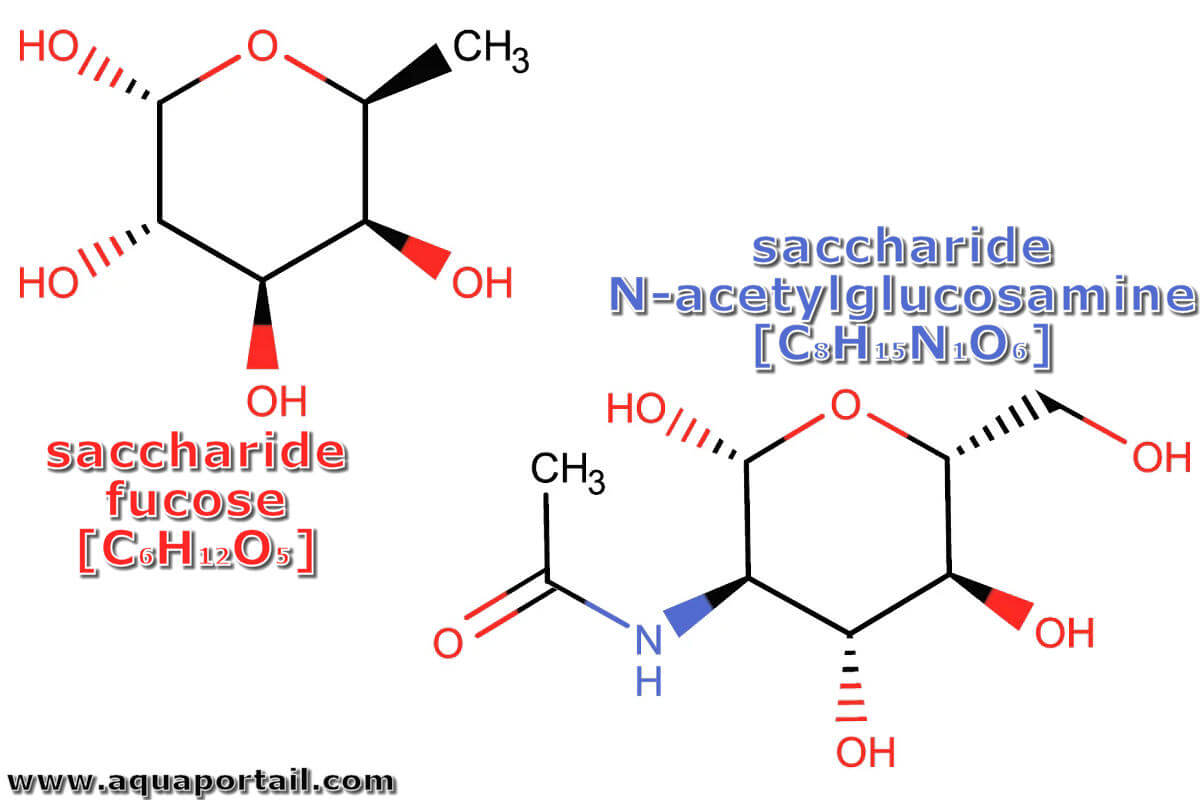
A saccharide is a carbohydrate, a biomolecule composed of carbon, hydrogen, and oxygen atoms, usually with a hydrogen-to-oxygen atomic ratio of 2 :1.
sagittocyst

A sagittocyst is a capsule containing a spindle-shaped needle produced by epidermal cells of certain flatworms (acoels).
saltwater treatment
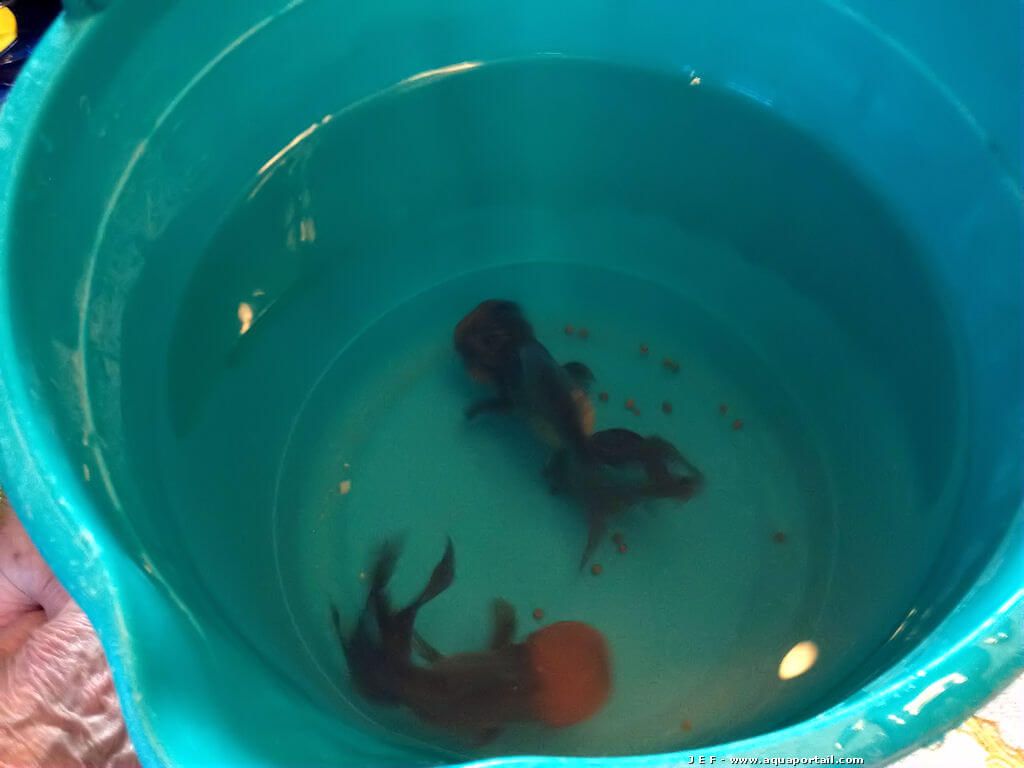
The saltwater bath method, or aquarium salt treatment, helps halt potential external infections via osmotic shock.
