Oil
noun (n.)
Definition
Oil designates numerous lipophilic (miscible with other oils) and hydrophobic (immiscible with water) organic fatty liquids of various origins that have a lower density than water and a higher viscosity than water. It is a viscous liquid at room temperature.Originally, the word oil referred solely to organic olive oil obtained by pressing olive fruits, but it was generalized to designate all vegetable, animal, or mineral oils, and later synthetic ones, replacing petroleum in most of its meanings.
An edible olive oil:

Olive oil is an edible vegetable oil extracted from the pulp of olives.
Oils are used for food purposes, as fuels, lubricants, and in the production of paints, plastics, and other materials. They are also used in religious ceremonies as a purifying agent.
⭐ See also edible oils such as olive oil, medicinal oils (macerated oil), and essential oils, as well as fish oil.
Physical and chemical properties
Oils of biological origin consist primarily of glycerides and other minor components, such as: free fatty acids, phospholipids, sterols, hydrocarbons, pigments, waxes, and vitamins.
All oils, although differing in chemical composition from one another, share certain unifying characteristics, namely:
- remaining liquid at room temperature (though capable of solidifying at low temperatures)
- fat, fatty substance, lipids
- having a density generally lower than water
- being generally flammable
- being insoluble in water.
Classification and types
Oils (also called fats or lipid oils), depending on their source, can be divided into:
- animal oils: consisting of esters of glycerol and fatty acids of animal origin; the most common animal oils are aquatic animal oils, particularly cetacean oils and fish oils (e.g., cod liver oil); they are often used in pharmacology
- vegetable oils: generally obtained from the seeds of many plants (e.g., rapeseed oil), from cereal grain germs, or from the pulp of certain fruits (olive oil); they are often used as edible oils, in cosmetics, in oil painting (as drying oil), and to a lesser extent as biofuels; they can also be hydrogenated to produce margarine
- mineral oils: petroleum and its liquid derivatives of hydrocarbon nature; they are often used as fuels and lubricants
- essential oils or essences: mixtures of terpenes, often fragrant; they are highly volatile and frequently used in cosmetics, naturopathy, and aromatherapy.
Modified oils
From animal, vegetable, mineral, and essential oils, so-called modified oils can be obtained, having been processed to make them better suited for a specific application.
A can of car motor oil:
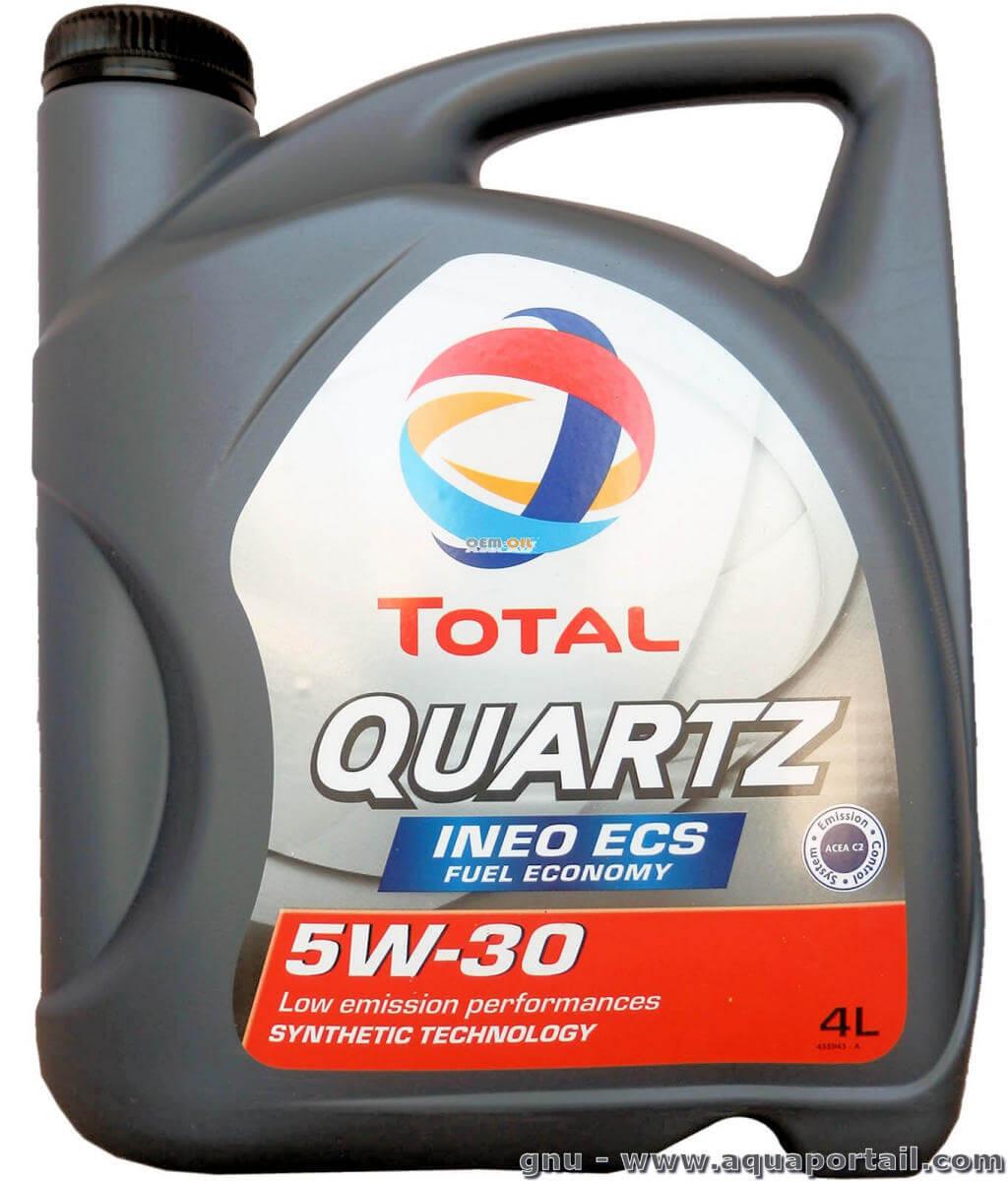
A motor oil is a lubricating oil whose properties vary according to viscosity grades.
Depending on their use, modified oils can be divided into:
- lubricating oils: for lubricating moving parts of machinery
- vegetable oils used as fuel: for example biodiesel
- oils used as solvents
- insulating oils and dielectric oils: with high insulating capacity, generally obtained by vacuum distillation of mineral oils
- quenching oils: used during the steel cooling process
- emulsifiable oils (or soluble oils): mineral oils to which emulsifying agents have been added, used to form stable emulsions with water
- drying oils: modified vegetable oils used in oil painting.
Synonyms, antonyms
French translation:
huileSpanish translation: aceite
2 synonyms (similar meaning) for "oil":
0 antonyms (opposite meaning).
Related words and expressions to OIL are directly connected by general or specific meaning.
The word OIL is listed on page 1 of words starting with O in the dictionary glossary.
Related to "oil"
ocean basin

An ocean basin is a benthic environment taking the form of a depression in the ocean floor bounded by the lower part of the continental slope.
ocean floor

The ocean floor (seafloor) is the region of the deep seabed where the topography flattens out, typically just beyond the continental rise at the level...
oceanic

What is oceanic relates to the ocean and designates the marine zone, or ecological province, located far from the coast, beyond the continental shelf.
ocellus
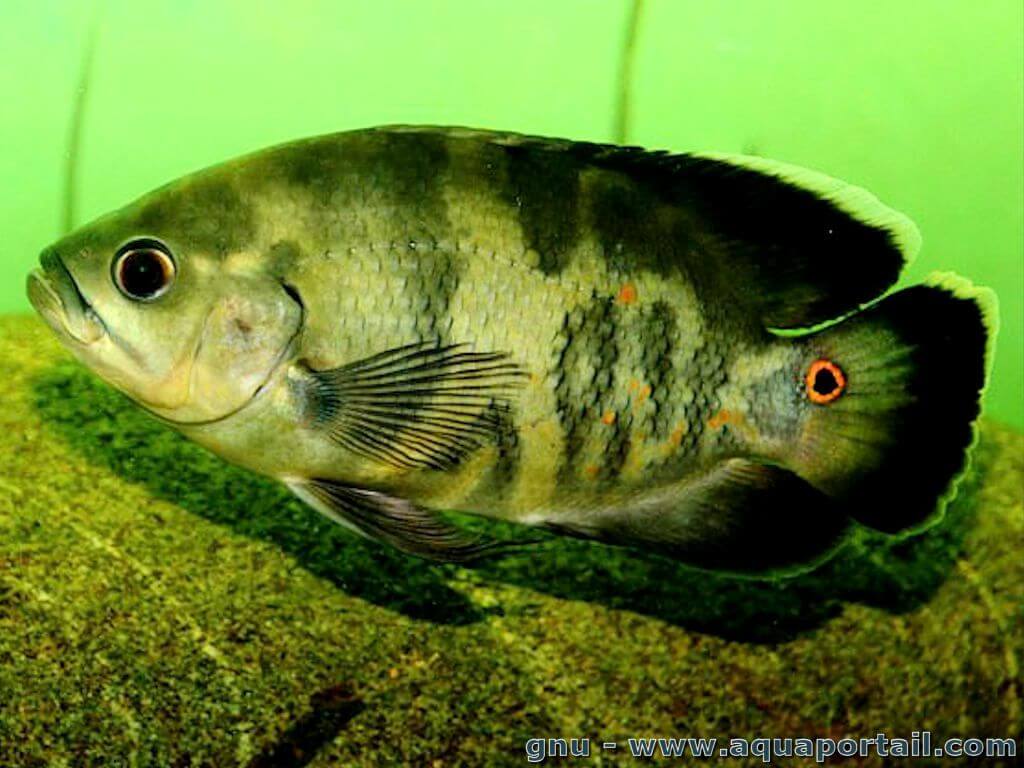
An ocellus (eyespot) is a ringed colored spot encircled by a zone of a different, usually sharply contrasting color, making it resemble an eye.
