Fatty acids
plural noun (n.pl.)
Definition
Fatty acids are molecules possessing a long hydrophobic hydrocarbon chain and a highly hydrophilic carboxyl group at one of its ends. This group readily allows the formation of covalent bonds (esters, amides) with other molecules.3D view of different fatty acids:

The various fatty acids differ from one another by the length of their chain and the position of any double bonds between carbon atoms. Those possessing such double bonds are called "unsaturated," while those without them are called "saturated."
Explanations
A fatty acid is a lipid formed of a hydrocarbon chain of varying length bearing a carboxyl group (-COOH) at one end and a methyl group (-CH3) at the other end. A fatty acid is thus an organic acid with an aliphatic, hydrophobic hydrocarbon chain with an even number of carbons, saturated or unsaturated, of variable length and generally unbranched.
Fatty acids are largely biosynthesized by the body through a set of metabolic processes known as lipogenesis. They are generally supplied in sufficient quantities (or even in excess...) through diet.
Fatty acid families are characterized by two numbers separated by a colon: the number of carbons and the number of double bonds. For example, palmitic acid (16:0) has 16 carbon atoms and no double bonds. When such double bonds exist, their position is then indicated in parentheses by the Greek letter Δ followed by the numbers of the carbon atoms involved. Generally, the chemical formula can be expressed as a generic fatty acid R-COOH, where R represents the hydrocarbon chain identifying the specific acid.
Fatty acids, fats, partly phospholipids and glycolipids, are molecules constituting the lipid bilayer of all cell membranes. In mammals, including humans, most fatty acids are found in the form of triglycerides, in which the carboxylic ends (-COOH) of three fatty acids are esterified with each of the hydroxyl groups (OH) of glycerol (glycerin, propanetriol); triglycerides (lipids) are stored in adipose tissue.
Fatty acids are amphipathic molecules, having a nonpolar hydrophobic region (hydrocarbon chain) that repels water and a polar hydrophilic region (carboxylic end) that interacts with water (H2O). Short-chain fatty acids are more soluble than long-chain fatty acids because the hydrophobic region is shorter.
If fatty acids are placed in water or another polar solvent, they form a surface layer due to their low density; they form a film with their "tails" (the nonpolar part) pointing upward, out of the water, and thus not in contact with water, and the polar head underwater. If agitation occurs, the tails tend to interact with one another via hydrophobic interactions, creating a water-free environment such as a micelle, either monolayer or bilayer.
Types
Saturated fatty acids are fatty acids without double bonds between carbon atoms; they tend to form long chains and are solid at room temperature, except for short-chain ones.
Unsaturated fatty acids are fatty acids with double bonds between carbon atoms; they are usually liquid at room temperature. They are divided into monounsaturated fatty acids and polyunsaturated fatty acids.
Some are called essential fatty acids (linoleic, linolenic, or arachidonic acid) because the body cannot synthesize them: they must therefore be obtained through diet.
An acyl-coenzyme A (acyl-CoA) is an intermediate molecule in the fatty acid degradation pathway, resulting from the combination of a fatty acid and coenzyme A by an acyl-CoA synthetase.
See also a carbohydrate, an amine, and an amino acid.
Synonyms, antonyms
Spanish translation: ácidos grasos
3 synonyms (similar meaning) for "fatty acids":
- fatty matter
- hydrocarbon
- lipid
0 antonyms (opposite meaning).
Related words and expressions to FATTY ACIDS are directly connected by general or specific meaning.
The expression FATTY ACIDS is listed on page 1 of words starting with F in the dictionary glossary.
Related to "fatty acids"
acid

An acid is a substance that, when dissolved in water, produces an increased concentration of hydrogen ions.
acrylic acid

Acrylic acid is an unsaturated organic compound (sulfur-free), a precursor to acrylic polymers, possessing bacteriostatic activity.
alginic acid
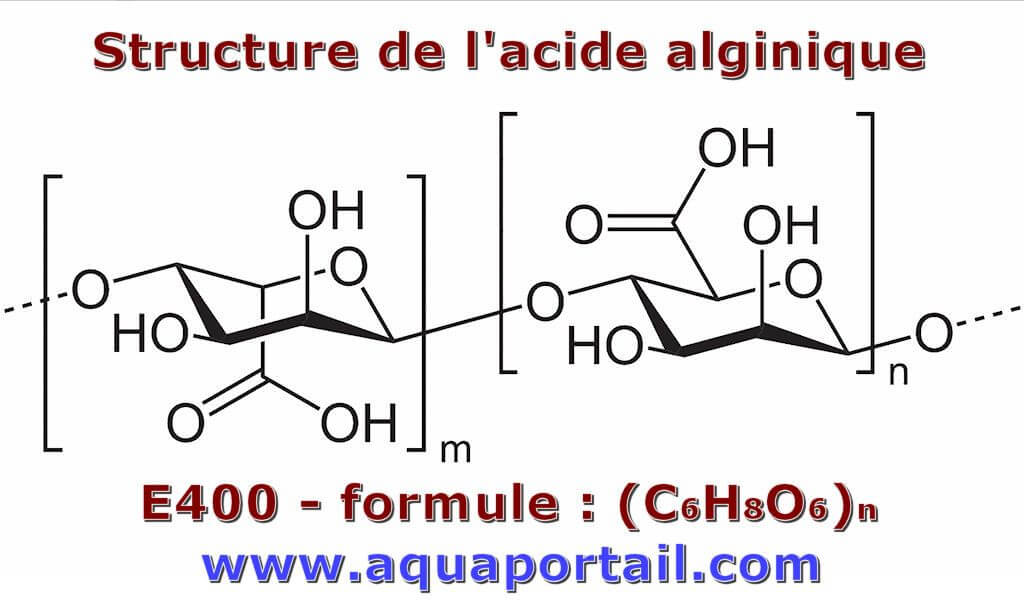
Alginic acid designates a linear polymer composed entirely of β-D-mannuronic acid and α-L-guluronic acid in variable proportions, extracted from brown algae...
beta-hydroxybutyric acid

Beta-hydroxybutyric acid (β-hydroxybutyrate, β-hydroxybutyric acid) is a ketone body, a chiral compound with two optical isomers.
