Feeding
noun (n.)
Definition
Feeding is the ingestion of food aimed at meeting the nutritional or medicinal needs of all organisms for their vital functions, notably growth, movement, reproduction, and maintaining body temperature.A healthy diet:

A healthy diet avoids excessive consumption of fatty and/or sugary foods. Eating is the activity of taking in food, the substance consumed.
Explanations
Feeding consists of organisms eating food to meet their dietary requirements, primarily to obtain energy and grow.
Feeding, which may be autotrophic or heterotrophic, must not be confused with nutrition, since nutrition occurs at the cellular level whereas feeding is the act of consuming food.
Biological approach
Animals and other heterotrophs must eat to survive, such as carnivores, which eat other animals, herbivores, which eat plants, omnivores, which consume both plants and animals, or detritivores, which feed on detritus.
Fungi perform external digestion of their food, secreting enzymes and then absorbing the dissolved molecules resulting from digestion, unlike animals, which carry out internal digestion.
The chemical reactions necessary for life depend on nutrient intake. In higher organisms, these nutrients are synthesized via photosynthesis (plants) or derived from organic compounds (animals and fungi).
Other energy sources exist for microorganisms: for example, certain archaea obtain energy by producing methane or through the oxidation of hydrogen sulfide or sulfur.
In case of deficiency, underfeeding may occur, and in case of excess, overfeeding may lead to overweight and obesity. See also proximate analysis.
In physiology, feeding is distinct from nutrition, a broader concept that involves an organism's metabolic processes to utilize the nutrients taken in through feeding.
Despite disciplinary distinctions, the terms feeding and nutrition have often been used synonymously in certain branches of medicine and in everyday speech. The term "feeding" has also been applied to protists or prokaryotic organisms, whose characteristics, according to other definitions, do not strictly align.
Nutritional status expresses the degree to which an individual's physiological needs are met relative to the nutrients introduced through the diet.
Plant nutrition (feeding)
Plants are autotrophic organisms. They are capable of synthesizing organic compounds from mineral salts and solar energy through chlorophyll function or photosynthesis. A plant does not feed in the animal sense; it takes up nutrients.
⭐ See plant nutrition.
Animal feeding
Animals are heterotrophic organisms. They rely on one or more other species for their nutrition. Food is broken down into nutrients through digestion.
Diet, whether carnivorous (zoophagous) or herbivorous (phytophagous), exerts a major influence on animal behavior and determines an organism's status as predator or prey in the food chain. Animals may exhibit omnivorous feeding behavior or more specialized habits, such as folivorous (phyllophagous), piscivorous (ichthyophagous), scavenging (necrophagous), nectarivorous, saprophagous (lysotrophic nutrition), detritivorous (detritiphagous), suspension-feeding, etc.
Human feeding
Like other animals, humans depend on their natural and artificial environment to meet their basic food needs. Human feeding corresponds to the conscious consumption of food and drink; it is influenced by biological, relational, psychological, sensory, or sociocultural factors.
During certain stages of life, such as in newborns or the elderly, as well as in certain illnesses, an organism may be unable to feed independently and requires assistance: this is called "assisted feeding."
When an organism is nourished in a way that bypasses the natural route, "artificial feeding" or "artificial nutrition" takes place (more accurately termed "artificial feeding"). Medical sciences (human and veterinary) address methods of administration by artificial means in pathologies affecting the organs involved in food intake.
Human nutritional science is the study of foods, nutrients, and other substances they contain, their action, interaction, and balance in relation to health and disease, and the processes by which the human body ingests, absorbs, transports, utilizes, and excretes food substances.
Synonyms, antonyms
Spanish translation: alimentación
7 synonyms (similar meaning) for "feeding":
- consumption
- diet
- food
- nutrition
- provisioning
- supply
- sustenance
0 antonyms (opposite meaning).
Related words and expressions to FEEDING are directly connected by general or specific meaning.
The word FEEDING is listed on page 1 of words starting with F in the dictionary glossary.
Related to "feeding"
overnutrition
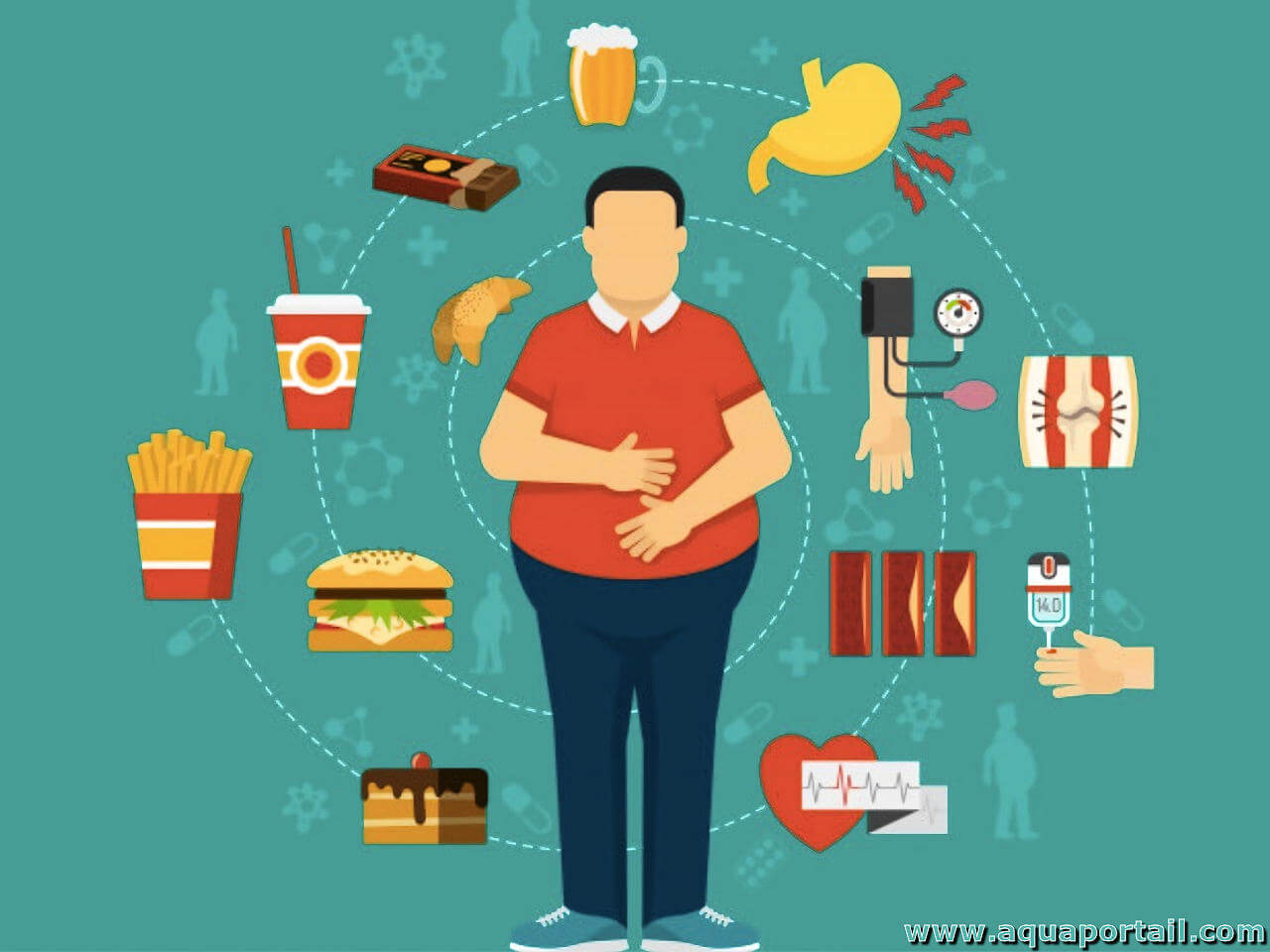
Overnutrition is a form of malnutrition by excess (overfeeding), a poor nutrition causing overweight that can lead to obesity.
undernutrition

Undernutrition is a form of malnutrition resulting from insufficient nutrient intake. Physiologically, it stems from an energy and protein imbalance that...
fabrication

Fabrication is the act or process of making, constructing, or inventing something. The manufacturing or fabrication process, whether artisanal or industrial...
fang

A fang is a long, pointed, and curved tooth. All animals equipped with fangs use them to bite. Whereas in mammals the upper-jaw fangs (called canines)...
Simple summary
Feeding (eating) is the process of consuming food: individuals ingest it through the mouth, chew it, and swallow it. This activity is essential for obtaining the nutrients and energy required for the maintenance, growth, and functioning of the organism.
