Phytophagous
noun and adjective (n. / adj.)
Definition
A phytophagous organism (animals, insects, and bacteria) feeds predominantly on plant matter. If the plant matter consists of algae, the organism is algivorous. An organism whose diet consists of plants or phytoplankton is also called an herbivore.
Conversely, an organism that feeds primarily on meat is a zoophage.
The Colorado potato beetle is a phytophagous insect :

The diet of phytophages is called phytophagy. Leaf beetles are phytophagous, such as the insect Leptinotarsa decemlineata (Colorado potato beetle) consuming a leaf.
Explanations
When a phytophagous insect bores deep inside wood, it is endoxylous (or endoxylic). An endoxylous organism refers to a phytophagous insect that penetrates deeply into a plant and is therefore endophagous. Endoxylous describes what lives inside wood, in reference to an insect.
Phytophagy specializations
Depending on the organism's dietary specialization, a phytophage is:
- algophagous / algivorous: feeds on algae.
- anthophagous / florivorous: eats parts of flowers.
- carpophagous / frugivorous: feeds primarily on fruits (or fruiting bodies).
- clethrophagous / granivorous: feeds mainly on seeds.
- conophagous: consumes parts of conifer cones.
- nectarivorous: consumes nectar.
- opophagous / succivorous: feeds exclusively on plant sap.
- phyllophagous / folivorous: consumes mainly leaves.
- pollinivorous: feeds on pollen.
- rhizophagous / radicivorous: restricts itself to plant roots.
✅ In a freshwater aquarium, a phytophagous fish risks eating aquatic plants: aquarists therefore select plant species resistant to such fish, such as Anubias, whose very tough leaves are unpalatable.
Phytophagous insects (entomophytophages)
Phytophagous insects, or entomophytophages, are generally regarded as those feeding on green plants. They include species that attack roots, stems, leaves, flowers, and fruits, either as larvae, as adults, or at both stages. Leaf-feeders may be external (exophytes or exophages) or they may mine tissues, sometimes even specializing on a particular cell type. As a rule, nectar and pollen feeders are excluded.
"Phytophagous" is often synonymous with herbivorous, although the latter term is sometimes restricted to species feeding on grasses (herbaceous plants). Generally, species utilizing a single plant genus or species are called monophagous, and species utilizing plants belonging to a single tribe or family are called oligophagous (such as Colorado potato beetles and leaf beetles, for example).
The term stenophagous is less commonly used and encompasses both. Polyphagous species are those that feed on plants belonging to multiple plant families.
Phytophagous insects have evolved mechanisms of varying complexity to exploit plants despite the defenses plants deploy against attack. Plant exploitation, the simplest level, consists of co-opting plant defense chemicals to the insect's advantage. This is illustrated by sequestering plant toxins for defense against predators. The energetic cost of this defensive strategy is weighed against chemical toxicity and the need to protect the herbivore, and modes of action against predators are examined. Furthermore, plant manipulation can redirect host metabolism to meet insect needs. Drastic remodeling of the host plant can occur, from ultrastructure to anatomy, altering nutritional quality and secondary metabolism. The mechanisms involved remain under investigation, with findings pointing to optimization of host-plant nutritional value and protection against unfavorable abiotic and biotic conditions (natural enemies, competition). Cooperation with conspecifics or microorganisms frequently plays a role. At the highest level of complexity, mutualism results from a trade-off between insect and plant where each partner benefits from the association. Pollination is a classic example. Pollinators range from generalists to specialists and belong to an insect community linked to a plant community. Within a mutualistic relationship, distinct mechanisms operate in monoecious and dioecious systems, involving coadaptations and cospeciations.
✅ Phytophagous insects are remarkably diverse, numbering at least 500,000 species. This represents roughly 25% of all known multicellular animals. Phytophagous insect species exist in most insect orders, notably Orthoptera, Lepidoptera, Coleoptera, Heteroptera, Hymenoptera, and Diptera, though species counts vary greatly across groups. All green plants are consumed by one or more species of phytophagous insects. The vast diversity of plant-feeding insects is accompanied by remarkable diversity in lifestyles, mouthparts, and gut morphological adaptations to ingested foods, cuticular morphology and coloration adapted for crypsis or aposematism, and behavioral adaptations for utilizing specific host plants and escaping natural enemies.
⭐ Specialization in phytophagous insects is one of the prime examples of insect-plant interactions. Host specificity is essential for an insect's larval development. Multiple factors, such as trade-offs, host-plant traits, and the insect's nervous system, drive specialization. Although specialization increases vulnerability to extinction, it nonetheless enables a specialist insect to evade natural enemies, establish itself in a favorable microclimate, and boost offspring survival rates.
✅ Phytophagous insects can regulate primary production. They possess the key attributes of cybernetic regulators: low biomass, rapid ecosystem-level amplification of effects, sensitivity to airborne or waterborne cues indicating ecosystem status, and feedback stabilization on primary production and other processes. Low herbivory intensity, under low density or optimal host conditions, tends to stimulate primary production, whereas higher intensities, under high host density or stress, tend to reduce primary production (primary producers). Clearly, this aspect of insect ecology has major implications for ecosystem resource management and "pest" control.
Synonyms, antonyms
Spanish translation: fitófago
4 synonyms (similar meaning) for "phytophagous":
- algivorous
- entomophytophagous
- herbivorous
- vegetarian
2 antonyms (opposite meaning):
Related words and expressions to PHYTOPHAGOUS are directly connected by general or specific meaning.
The word PHYTOPHAGOUS is listed on page 1 of words starting with P in the dictionary glossary.
Related to "phytophagous"
phytodepuration

Phytodepuration (constructed wetland water treatment) is a natural method for treating domestic, agricultural, and occasionally industrial wastewater.
phytoncide
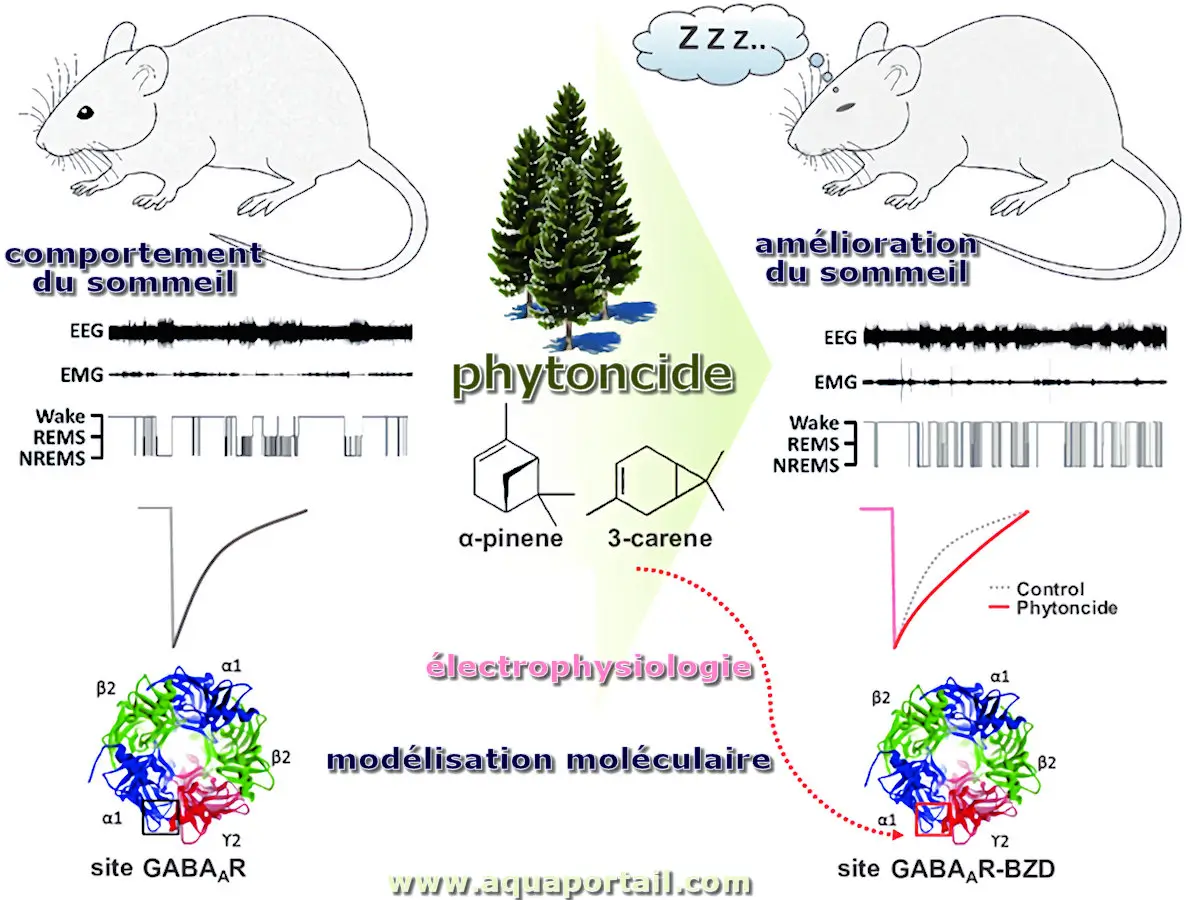
Phytoncides are natural volatile organic compounds released by trees and plants to protect themselves against bacteria, fungi, and herbivorous insects.
phytotherapy

Phytotherapy is the use of plant products for the prevention, treatment, or alleviation of a wide variety of symptoms and diseases.
paedomorphosis

Paedomorphosis (juvenilization) is a phylogenetic change involving the retention of juvenile or even larval traits into a later (adult) stage.
Simple summary
Phytophagous refers to organisms, notably insects or animals, that feed on plants. These phytophagous species obtain their nourishment from leaves, stems, roots, flowers, or other parts of plants or algae.
