Biomass
noun (n.)
Definition
Biomass is the total weight or volume of biological matter in a given area. Biomass is considered a renewable energy source (bioenergy).A forest biomass:
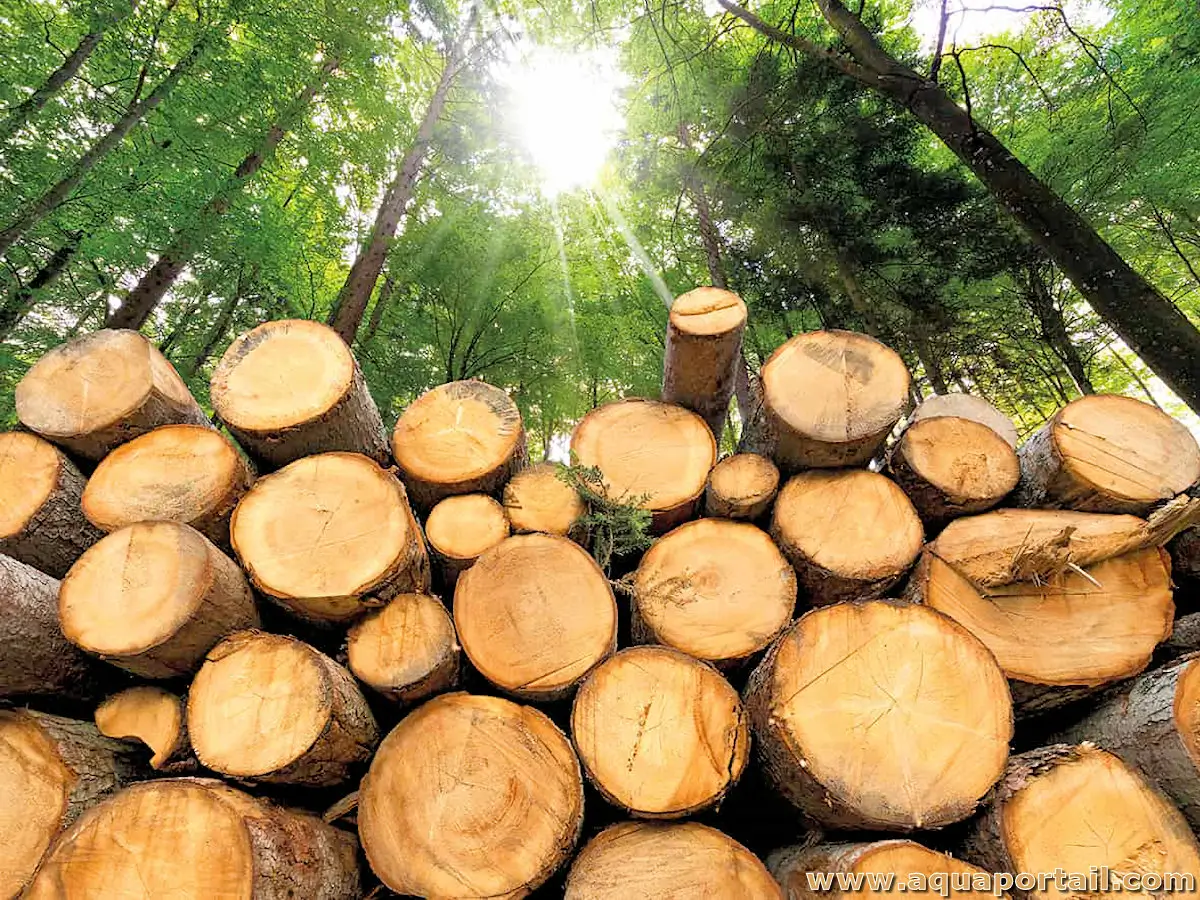
Biomass is a mass represented by a group of living individuals and takes into account the total weight of matter of an individual, a group, an age class, a stock, a population, etc.
Explanations
Derived from the biological processes of living organisms, biomass encompasses both plant and animal matter. Historically, humans have used biomass to produce energy, notably by burning wood. Today, its role in the global energy supply has grown, with sources such as corn being used to produce alcohol for various applications, including electricity generation.
Plants are the precursors of all biomass, and the sun is their source of food energy. Photosynthesis is a natural version of the silicon solar cell. Through this process, plants absorb sunlight and use this energy to transform carbon dioxide (CO2) and water into glucose and oxygen.
From there, other energy-rich compounds are formed, enabling plant growth and reproduction. Certain plants are consumed by herbivores, which are themselves consumed by carnivores. These plants and animals of all kinds constitute biomass, the web of life.
Biomass sources:
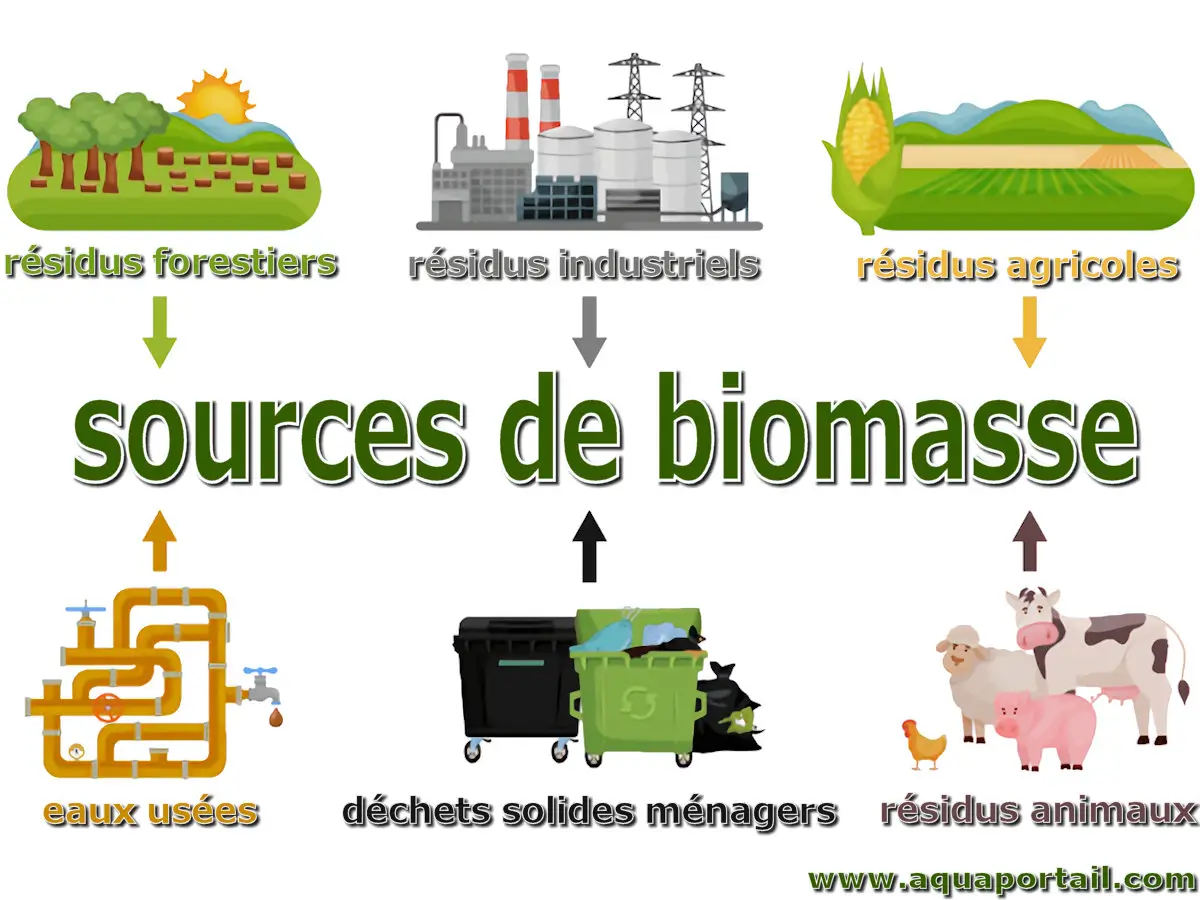
Biomass sources are all organic waste and residues derived from living matter.
Certain types of biomass serve as organic matter used as fuel, notably in power plants for electricity generation. Bioenergy is a major renewable energy source, contributing more than 6% of the global energy supply, and its importance is expected to grow.
See also spawning stock biomass.
Synonyms, antonyms
Spanish translation: biomasa
4 synonyms (similar meaning) for "biomass":
- biocenosis
- biological matter
- biovolume
- living matter
0 antonyms (opposite meaning).
Related words and expressions to BIOMASS are directly connected by general or specific meaning.
The word BIOMASS is listed on page 1 of words starting with B in the dictionary glossary.
Related to "biomass"
bacterial artificial chromosome
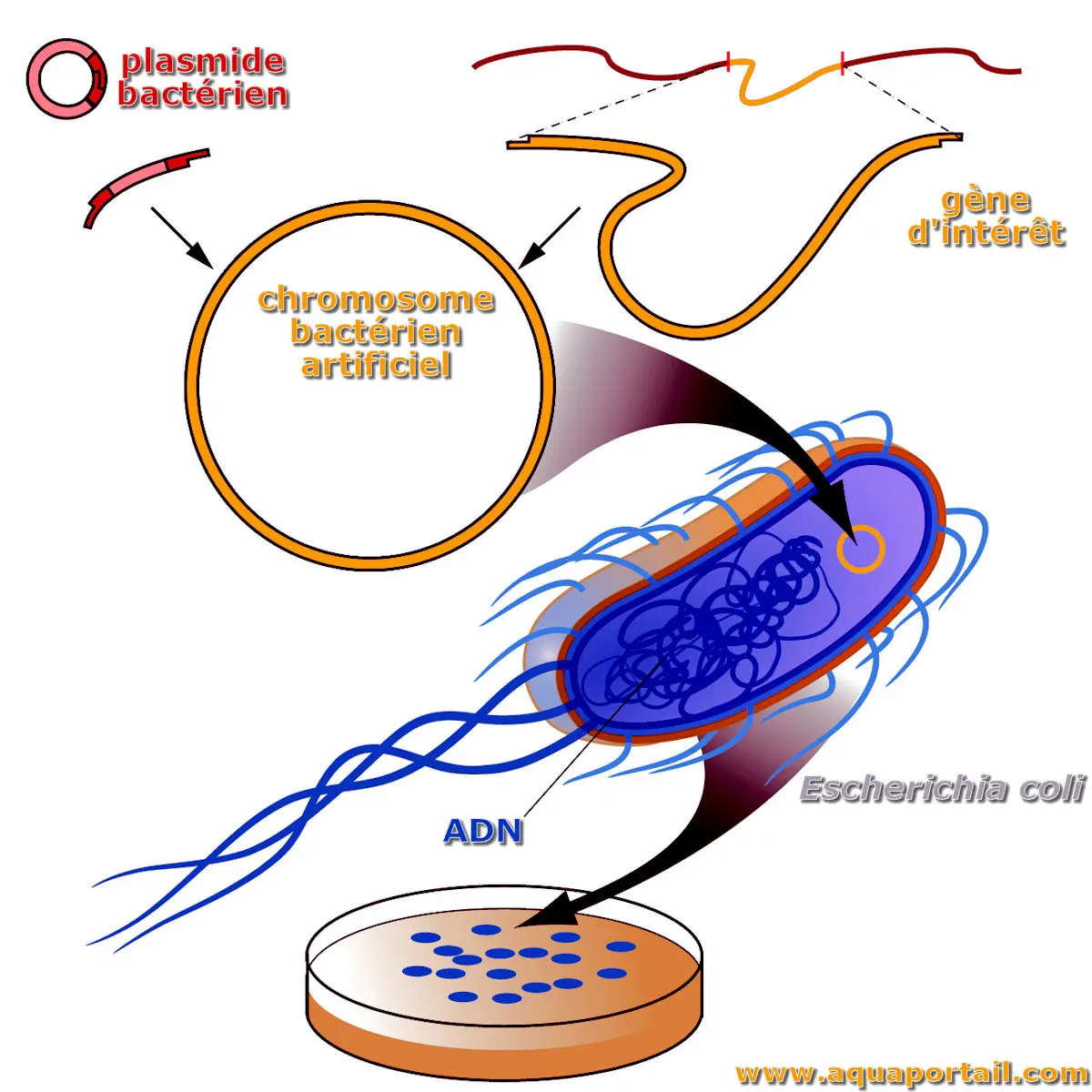
A bacterial artificial chromosome (BAC) is a DNA construct, based on a functional fertility plasmid or F-factor, used for transformation and bacterial cloning...
bacteriochlorophyll

A bacteriochlorophyll (BChl) is a pigment of photosynthetic eubacteria other than cyanobacteria, yet containing chlorophyll and able to carry...
bacteriorhodopsin
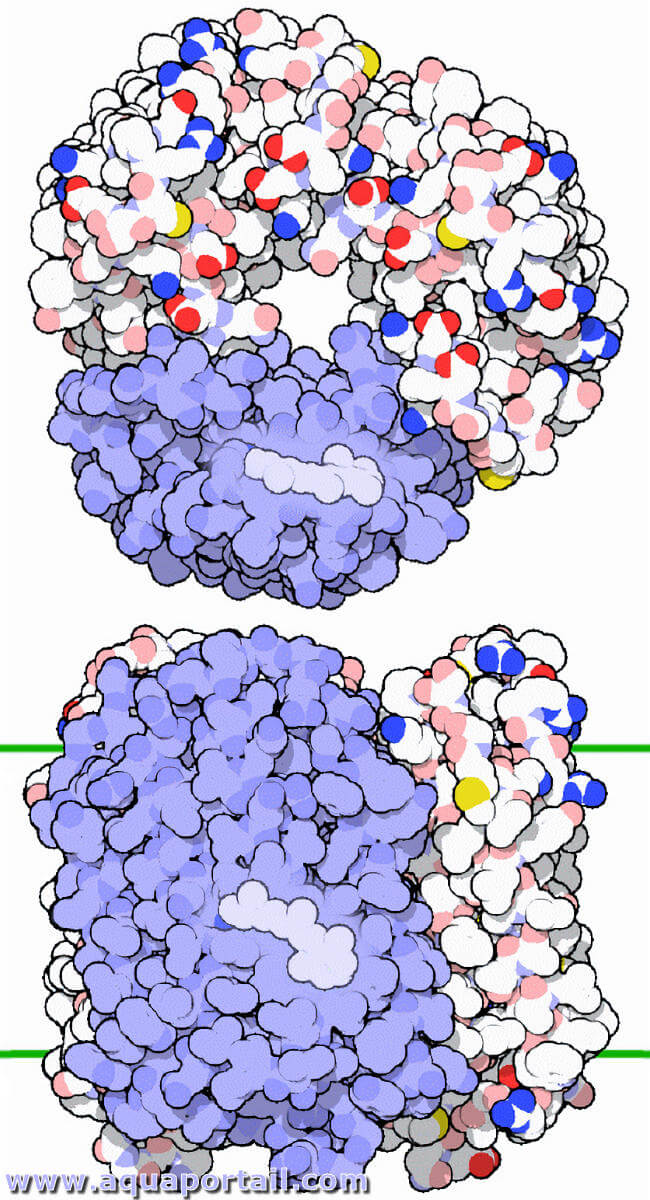
Bacteriorhodopsin (or proteorhodopsin) is a pigment of extreme halophilic photosynthetic archaebacteria.
bacterium

A bacterium is a unicellular prokaryotic microorganism, primarily round, spiral, or rod-shaped, that generally lives in soil, water, organic matter...
Simple summary
Biomass refers to organic matter derived from living or recently living organisms, primarily plants and animals. It can include substances such as wood, agricultural crops, manure, and other organic residues that can be used as an energy source or to produce biofuels. Biomass is considered a renewable energy source because it can replenish naturally through plant growth; it is used in various energy applications to reduce dependence on fossil fuels.
