Bacteriorhodopsin
noun (n.)
Definition
Bacteriorhodopsin (or proteorhodopsin) is a pigment of extreme halophilic photosynthetic archaebacteria. This rhodopsin, specific to certain bacteria, converts green light energy (500–650 nm, max 568 nm) into an electrochemical proton gradient.A bacteriorhodopsin is one of many related purple photosynthetic proteins, found in halobacteria, that act as proton pumps.
Bacteriorhodopsin molecule:
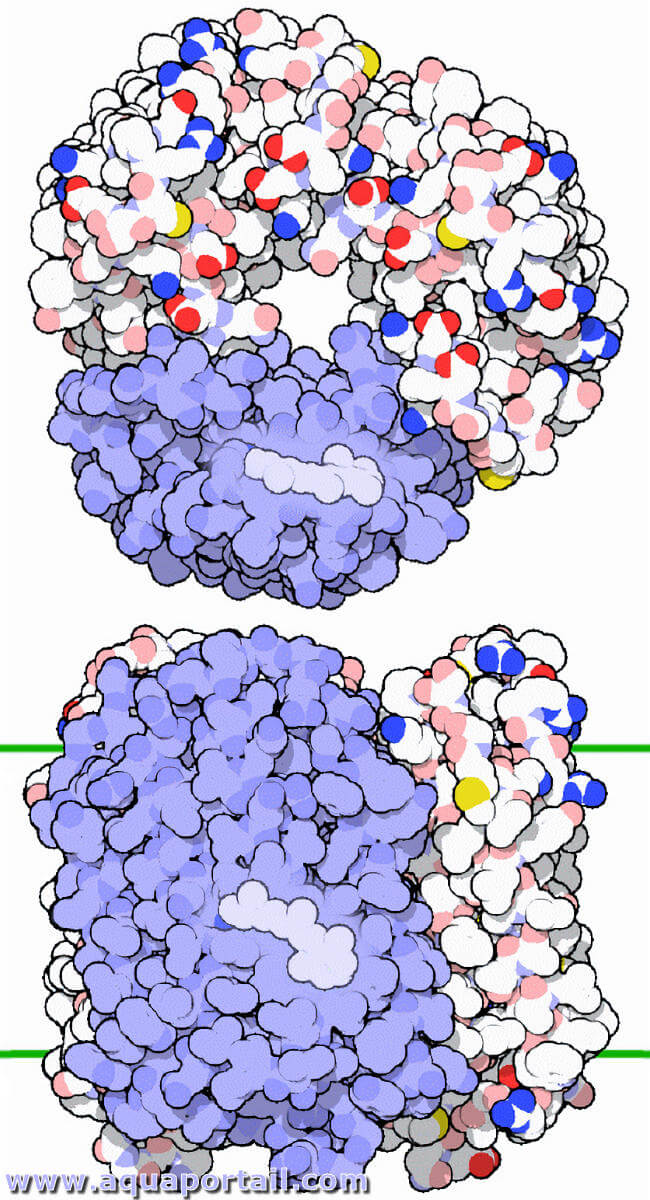
Bacteriorhodopsin, with the chromophore in lighter blue. The membrane-spanning portion is represented schematically in the lower illustration with green lines.
Explanations
Bacteriorhodopsin is a protein capable of performing the entire chain of photosynthesis on its own.
The bacteriorhodopsin protein is the main photosynthetic protein of the archaeon Halobacterium salinarum. Once converted, it is used for ATP production by ATP synthase.
See also a bacteriochlorophyll and a purple bacterium.
Sunlight powers the biological world. Through photosynthesis, plants capture sunlight and produce sugars. These sugars then provide all the raw materials for our growth and energy needs. As seen in last October's Molecule of the Month, photosynthesis requires a complex collection of molecular antennae and photosystems. However, some archaebacteria have found a simpler solution to capture sunlight.
A light pump
Bacteriorhodopsin is a compact molecular machine that pumps protons across a membrane powered by green sunlight. It is built by halophilic (salt-loving) bacteria, found in high-temperature brine pools.
They use sunlight to pump protons outward across their cell membranes, making the inside 10,000 times more alkaline than the outside. These protons are then allowed to flow back inward through another protein, ATP synthase, building much of the ATP that powers the cell.
Capturing light
Bacteriorhodopsin is composed of three protein chains. It is found embedded in dense networks in bacterial membranes. The membrane-spanning region is shown in the lower image (above) between the two green lines.
At the core of each protein chain is a retinal molecule, bound deep inside the protein and linked by a lysine amino acid. In the image, one of the three protein chains is shown in blue and the retinal molecule, which is buried inside, is shown in white. The retina contains a chain of carbons that strongly absorb light. When a photon is absorbed, it causes a change in the conformation of the molecule.
In bacteriorhodopsin, this is a change from a straight form to a curved form, as shown on a later page. This shape change powers proton pumping.
Uses
Light capture is so useful that these salt-loving (halophilic) archaebacteria actually produce four different types of rhodopsins. These four rhodopsins are built on similar principles, with a retinal molecule held securely inside a compact container of proteins.
Bacteriorhodopsin is used to generate energy.
Halorhodopsin is also a pump that channels chloride ions instead of protons. It is responsible for keeping the internal chloride concentration at high levels that match the saline conditions outside the cell.
The other two rhodopsins are sensory rhodopsins. These rhodopsins detect bluish light and send signals to the cell to move, finding an area with more useful greenish light.
Seeing light (in mammals)
We also make several forms of rhodopsin and use them in our eyes to see light. As in bacteriorhodopsin, our rhodopsin also contains a retinal molecule.
The retina is made in our body from retinol, or vitamin A, which is essential in the diet, because we cannot synthesize vitamin A on our own. When it absorbs a photon, the retinal in rhodopsin changes shape from curved to straight, just the opposite of retinal in bacteriorhodopsin!
This shape change then pushes the surrounding protein into a slightly different shape, which is detected by proteins inside the cell. Then, the message is passed through a cascade of proteins, each sending the message to the next, finally launching a nerve signal to the brain. The process is so sensitive that the eye can detect as few as 5 photons.
Synonyms, antonyms
Spanish translation: bacteriorrodopsina
1 synonym (similar meaning) for "bacteriorhodopsin":
0 antonyms (opposite meaning).
Related words and expressions to BACTERIORHODOPSIN are directly connected by general or specific meaning.
The word BACTERIORHODOPSIN is listed on page 1 of words starting with B in the dictionary glossary.
Related to "bacteriorhodopsin"
bacterial artificial chromosome
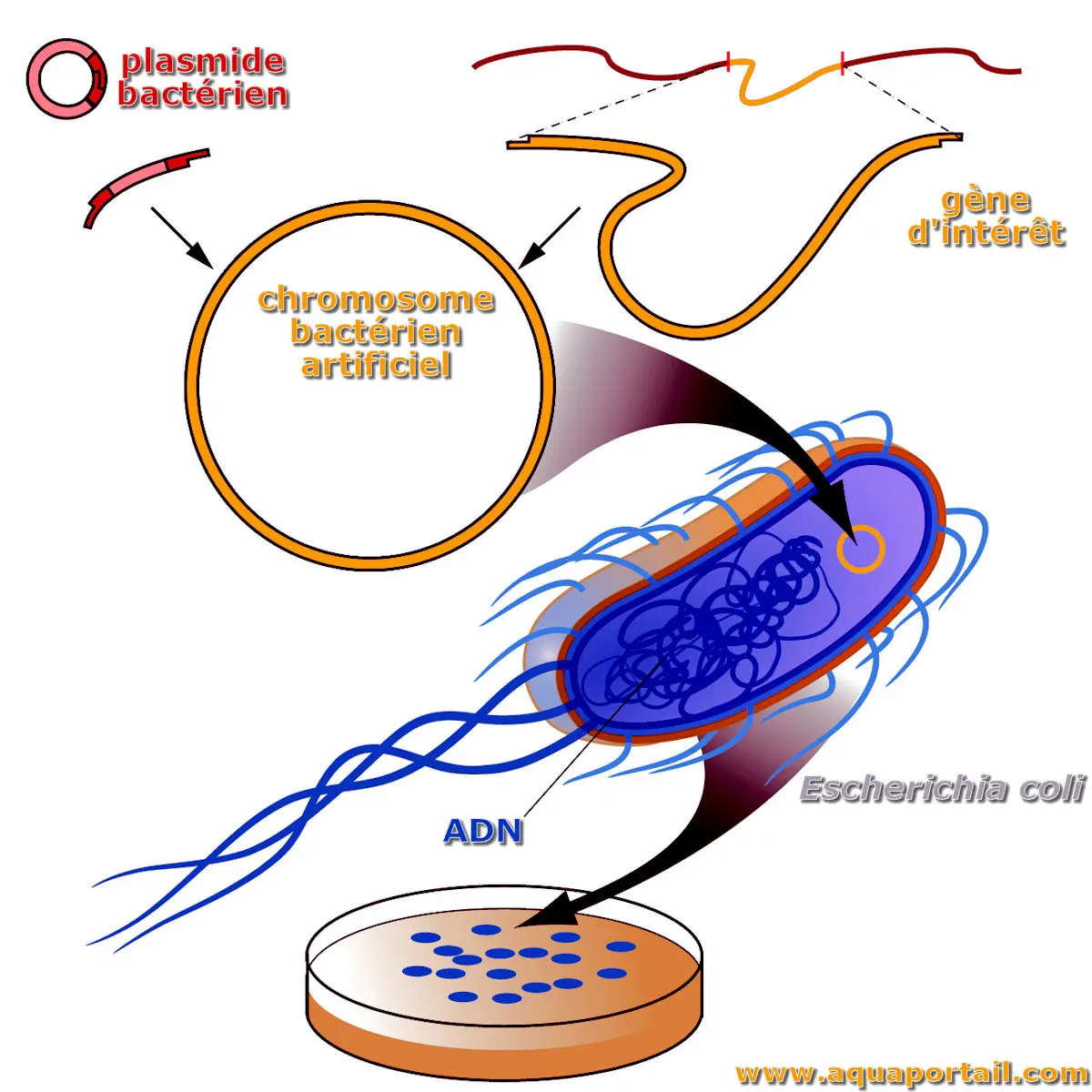
A bacterial artificial chromosome (BAC) is a DNA construct, based on a functional fertility plasmid or F-factor, used for transformation and bacterial cloning...
bacteriochlorophyll

A bacteriochlorophyll (BChl) is a pigment of photosynthetic eubacteria other than cyanobacteria, yet containing chlorophyll and able to carry...
bacterium

A bacterium is a unicellular prokaryotic microorganism, primarily round, spiral, or rod-shaped, that generally lives in soil, water, organic matter...
denitrifier bacteria
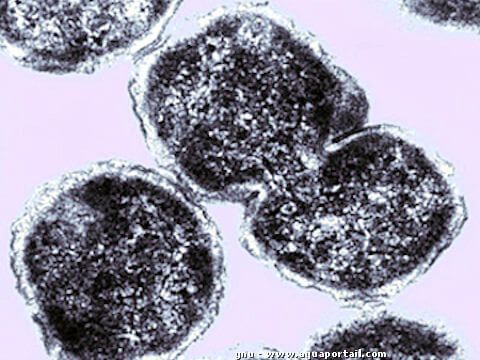
Denitrifying bacteria, following the nitrification phase, enable the denitrification of an environment, that is, removing nitrogen present in the form...
