Bacterial artificial chromosome
noun phrase (n. phr.)
Definition
A bacterial artificial chromosome (BAC) is a DNA construct, based on a functional fertility plasmid or F-factor, used for transformation and bacterial cloning in bacteria, usually E. coli. F-plasmids play a crucial role because they contain partition genes that promote the even distribution of plasmids after bacterial cell division. Usually, the insert size of a bacterial artificial chromosome is 150–350 kbp. A similar cloning vector called a PAC (P1-derived artificial chromosome) has also been produced from the bacterial plasmid P1.

A bacterial artificial chromosome is an engineered DNA molecule used to clone DNA sequences in bacterial cells (e.g., Escherichia coli). BACs are frequently used for DNA sequencing. Segments of an organism's DNA, from 100,000 to about 300,000 base pairs, can be inserted into BACs. The BACs, containing the inserted DNA, are then taken up by bacterial cells. As the bacteria grow and divide, they amplify the BAC DNA, which can then be isolated and used for DNA sequencing. There is a tendency for bacterial genes to be enriched on the leading strand in order to avoid head-on collisions between DNA transcription and replication machinery.
Explanations
Bacterial artificial chromosomes are often used to sequence the genome of organisms in genomics projects, such as the Human Genome Project. A short fragment of the organism's DNA is amplified as an insert in a BAC, and then sequenced. Finally, the sequenced parts are rearranged in silico, resulting in the genomic sequence of the organism.
In infectious disease research, the genomes of several large DNA viruses and RNA viruses have been cloned as BACs. These constructs are referred to as "infectious clones", because transfection of the BAC construct into host cells is sufficient to initiate viral infection. The infectious property of these BACs has made the study of many viruses such as herpesviruses, poxviruses, and coronaviruses more accessible. Molecular studies of these viruses can now be achieved using genetic approaches to mutate the BAC residing in bacteria. Such genetic approaches rely on either linear or circular targeting vectors to carry out homologous recombination.
In the context of hereditary disease, BACs are currently used to a great extent in modeling genetic diseases, often alongside transgenic mice. Bacterial artificial chromosomes have been useful in this field because complex genes may have several regulatory sequences upstream of the coding sequence, including various promoter sequences that will govern a gene's expression level.
BACs have been used with some success in mice when studying neurological diseases such as Alzheimer's disease or as in the case of aneuploidy associated with Down syndrome. There have also been instances where they were used to study the specificities of oncogenes associated with cancers. They are transferred into these genetic disease models by electroporation/transformation, transfection with a suitable virus, or microinjection.
BACs can also be utilized to detect genes or large sequences of interest and then used to map the human chromosome using BAC arrays. BACs are preferred for these kinds of genetic studies because they accommodate sequences without much risk of rearrangement, and are therefore more stable than other types of cloning vectors.
Related to "bacterial artificial chromosome"
bacteriochlorophyll

A bacteriochlorophyll (BChl) is a pigment of photosynthetic eubacteria other than cyanobacteria, yet containing chlorophyll and able to carry...
bacteriorhodopsin
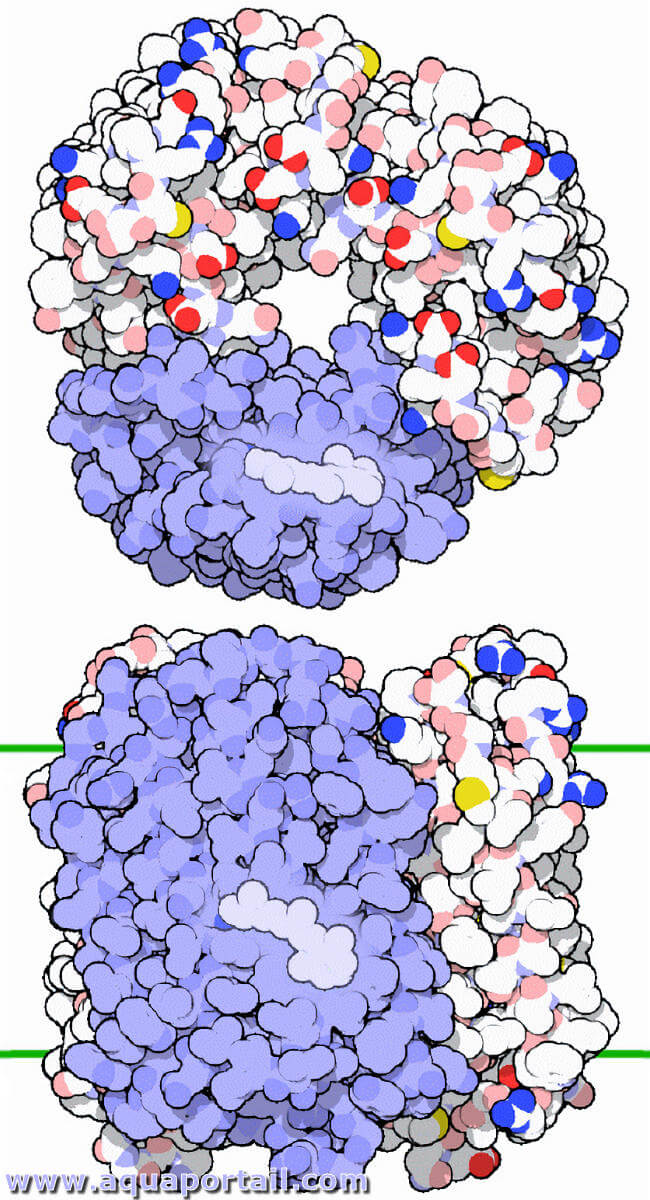
Bacteriorhodopsin (or proteorhodopsin) is a pigment of extreme halophilic photosynthetic archaebacteria.
bacterium

A bacterium is a unicellular prokaryotic microorganism, primarily round, spiral, or rod-shaped, that generally lives in soil, water, organic matter...
denitrifier bacteria
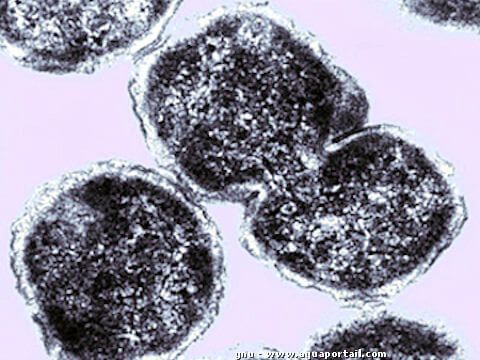
Denitrifying bacteria, following the nitrification phase, enable the denitrification of an environment, that is, removing nitrogen present in the form...
