DNA
abbreviation (abbr.)
Definition
DNA, or deoxyribonucleic acid, is a molecule that carries the genetic information essential for the growth, development, functioning, and reproduction of an organism. It is composed of two long strands forming a double helix, each strand consisting of smaller units called nucleotides. These nucleotides are composed of a sugar molecule, a phosphate group, and a nitrogenous base. The sequence of these nitrogenous bases (adenine, thymine, cytosine, and guanine) constitutes the genetic code that determines the characteristics and functions of an organism. In eukaryotes, DNA is primarily located in the cell nucleus, though it is also found in mitochondria and chloroplasts (and in the cytoplasm in prokaryotes).
The double-helix structure of DNA:

The structure of the DNA double helix shows the atoms color-coded by element, and detailed structures of two bases (pyrimidines and purines) are displayed at bottom right. The DNA structure shows in detail the structure of the four bases—adenine, thymine, guanine, and cytosine—and the location of the minor and major grooves.
Explanations
DNA is a molecule inside cells containing the genetic code unique to each individual, where it forms chromosomes. It contains the genetic information responsible for the development and functioning of an organism. DNA molecules enable the transmission of this information from one generation to the next.
The macromolecule is an extremely long chain of molecules containing all the information required for a cell to function. The units composing it are called nucleotides. Four nitrogenous bases characterize these nucleotides: adenine (A) and thymine (T), guanine (G) and cytosine (C).
DNA (deoxyribonucleic acid) and the cell nucleus:

The DNA of a eukaryotic cell is transmitted through the nucleus within a chromosome and detailed: this is nuclear DNA. It constitutes a major part of the genetic heritage.
Chromosomes contain proteins called histones that bind to DNA. Nucleotides pair with one another (A with T, and G with C) to form chemical bonds called base pairs, linking the two DNA strands together. Genes are short fragments of DNA carrying specific genetic information.
Synonyms, antonyms
Spanish translation: ADN
4 synonyms (similar meaning) for "DNA":
- deoxyribonucleic acid
- gene pool
- genetic heritage
- genome
2 antonyms (opposite meaning):
Related words and expressions to DNA are directly connected by general or specific meaning.
The word DNA is listed on page 1 of words starting with D in the dictionary glossary.
Related to "DNA"
dale

A dale is a small valley or glen that does not (or no longer) contains a watercourse. The concave hollowed space of a dale is not large enough to build...
daphnia
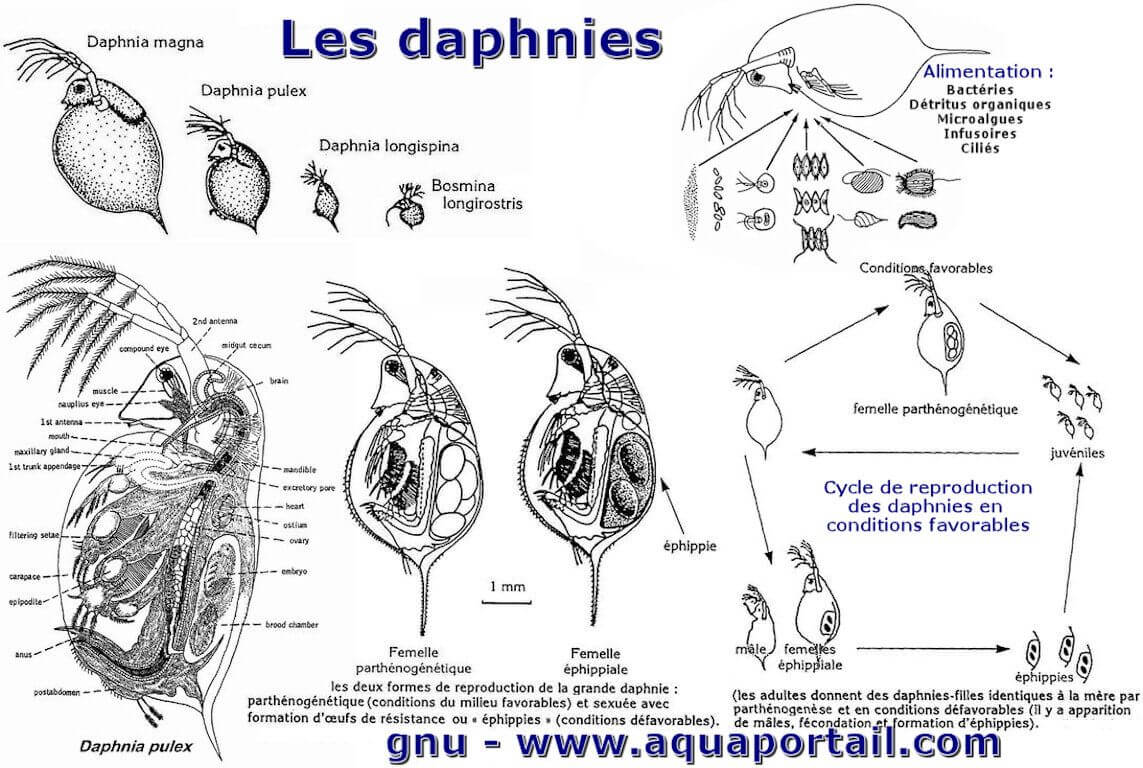
Daphnia is a planktonic branchiopod crustacean of the family Daphniidae, forming a dominant portion of freshwater plankton.
dawn

Dawn marks the transition between night and day, when the sky brightens and morning breaks in the East.
deltoid
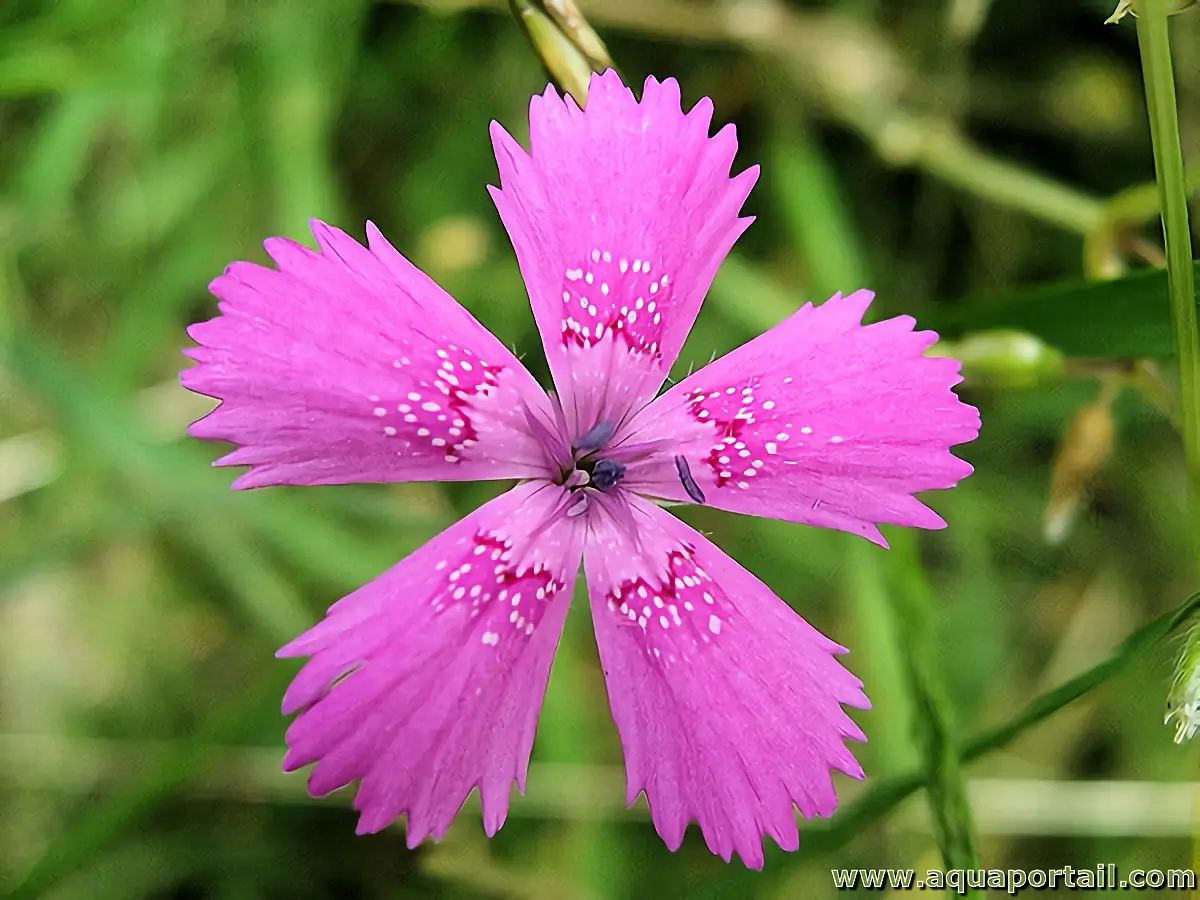
Generally, what is deltoid is triangular, having a shape that evokes the uppercase Greek letter delta Δ, delta-shaped.
Simple summary
DNA (deoxyribonucleic acid) is the molecule that carries the genetic information necessary for the development and functioning of an organism. DNA consists of two linked strands that wind around one another to form a twisted ladder, a shape known as a double helix.
