Dormancy
noun (n.)
Definition
Dormancy refers to a state of suspended or slowed life processes. Dormancy is the resting stage—vegetative in plants—intended to enable an organism to survive an unfavorable climatic period of the year, or more generally, a biologically unfavorable period. In insects, dormancy is diapause; in other animals, dormancy is hibernation; and in seed plants, the term stratification is often used for breaking seed dormancy.Dormancy is the resting period in an orchid:

The annual life cycle of orchids entering dormancy after flowering.
Explanations
Dormancy is a period in an organism's life cycle when growth, development, and (in animals) physical activity are temporarily halted. This minimizes metabolic activity and thus helps an organism conserve energy. Dormancy tends to be closely associated with environmental conditions.
✅ See also the germination lifespan of a plant seed.
Organisms can synchronize entry into a dormant phase with their environment through predictive or consequential means. Predictive dormancy occurs when an organism enters a dormant phase before the onset of adverse conditions.
For example, photoperiod and decreasing temperature are used by many plants to anticipate the onset of winter. Consequential dormancy occurs when organisms enter a dormant phase after adverse conditions have arisen. This is commonly found in regions with unpredictable climates. Although sudden shifts in conditions can lead to a high mortality rate among animals relying on consequential dormancy, its use can be advantageous because organisms remain active longer and are thus able to make better use of available resources.
In animals
Dormancy in animals manifests through 4 main phenomena: hibernation, diapause, estivation, and brumation (in cold-blooded animals).
Hibernation is a mechanism used by many mammals to escape cold and food scarcity during winter. Hibernation may be predictive or consequential. An animal prepares for hibernation by building up a thick layer of body fat in late summer and autumn that supplies energy during the dormant period. During hibernation, the animal undergoes numerous physiological changes, including a drop in heart rate (by up to 95%) and a decrease in body temperature. Hibernating animals include bats, ground squirrels and other rodents, mouse lemurs, the European hedgehog and other insectivores, monotremes, and marsupials. Although hibernation is observed almost exclusively in mammals, certain birds, such as the common poorwill, can also hibernate.
Diapause is a predictive strategy predetermined by an animal's genotype. Diapause is common in insects, allowing them to suspend development between autumn and spring, and in mammals such as the roe deer (Capreolus capreolus, the only ungulate exhibiting embryonic diapause), where a delay in embryo implantation into the uterine lining ensures offspring are born in spring when conditions are most favorable.
Estivation (aestivation) is an example of consequential dormancy in response to very hot or dry conditions. It is common in invertebrates such as the garden snail and earthworms, but also occurs in other animals such as the lungfish.
Brumation is an example of dormancy in reptiles similar to hibernation, differing in the metabolic processes involved. Reptiles generally begin brumation in late autumn (specific timing depends on the species). They often wake up to drink water and return to sleep, and can go months without food. Reptiles may eat more than usual prior to brumation, then eat less or refuse food as temperatures drop, though they still require water to drink. The brumation period lasts from one to eight months depending on air temperature and the reptile's size, age, and health. During their first year of life, many small reptiles do not brumate fully, instead slowing down and eating less frequently. Brumation is triggered by lack of warmth and decreasing daylight hours in winter.
✅ A dormant stage, in zoology, designates any period or phase during which an organism or some of its organs are inactive or exhibit markedly reduced activity. In botany, the dormant stage corresponds to the period of dormancy.
In plants
In botany, dormancy is a state of deep latent life in seeds and buds during which a return to active growth is impossible even when external conditions are favorable. During dormancy, metabolic activity is drastically reduced or even unmeasurable: there is no synthesis, exchange, growth, respiration, or heat production, and activity is restricted to the bare minimum required to maintain cellular structures. A distinction is made between true dormancy, in which the embryo does not develop even when isolated from its seed coats under favorable conditions, and coat-imposed (inhibition) dormancy.
Dormancy prevents plants from having their seeds germinate prematurely on the parent plant, or before the following year in the case of annual plants whose dormancy release requires winter cold.
In plant physiology, dormancy is a period of arrested plant growth. It is a survival strategy exhibited by many plant species, enabling them to survive in climates where part of the year is unsuitable for growth, such as winter or dry seasons.
Many plant species exhibiting dormancy possess a biological clock signaling when to slow activity and prepare soft tissues for freezing temperatures or water scarcity. Conversely, dormancy may be triggered after a normal growing season by falling temperatures, shortening day length, and/or reduced rainfall.
Chemical treatment of dormant plants has proven to be an effective method for breaking dormancy, particularly in woody crops such as grapes, berries, apples, peaches, and kiwifruit. Specifically, hydrogen cyanamide stimulates cell division and growth in dormant plants, inducing budbreak when the plant is poised to exit dormancy. Mild cellular injury may play a role in its mechanism of action: wounding is thought to increase cell membrane permeability and is associated with catalase inhibition, which in turn stimulates the pentose phosphate pathway. Hydrogen cyanamide interacts with the cytokinin metabolic cycle, triggering a new growth cycle.
In bacteria
Many bacteria can survive adverse conditions such as extreme temperatures, desiccation, and antibiotics via endospores, cysts, conidia, or states of reduced metabolic activity lacking specialized cellular structures. Up to 80% of bacteria present in environmental samples appear to be metabolically inactive (many of which can be resuscitated). Such dormancy accounts for the high biodiversity levels of most natural ecosystems.
In viruses
Viruses of the herpesvirus family are notable for remaining dormant within human body cells—for example, the varicella-zoster virus, which first causes chickenpox and later shingles (Herpes zoster). In virology, this dormancy is commonly termed latency or latent infection. HIV establishes a latent infection in lymphocytes and, at this stage of its life cycle, is called a provirus. This must not be confused with clinical latency.
Synonyms, antonyms
Spanish translation: dormancia
4 synonyms (similar meaning) for "dormancy":
- diapause
- dormant stage
- hibernation
- stratification
0 antonyms (opposite meaning).
Related words and expressions to DORMANCY are directly connected by general or specific meaning.
The word DORMANCY is listed on page 1 of words starting with D in the dictionary glossary.
Related to "dormancy"
dale

A dale is a small valley or glen that does not (or no longer) contains a watercourse. The concave hollowed space of a dale is not large enough to build...
daphnia
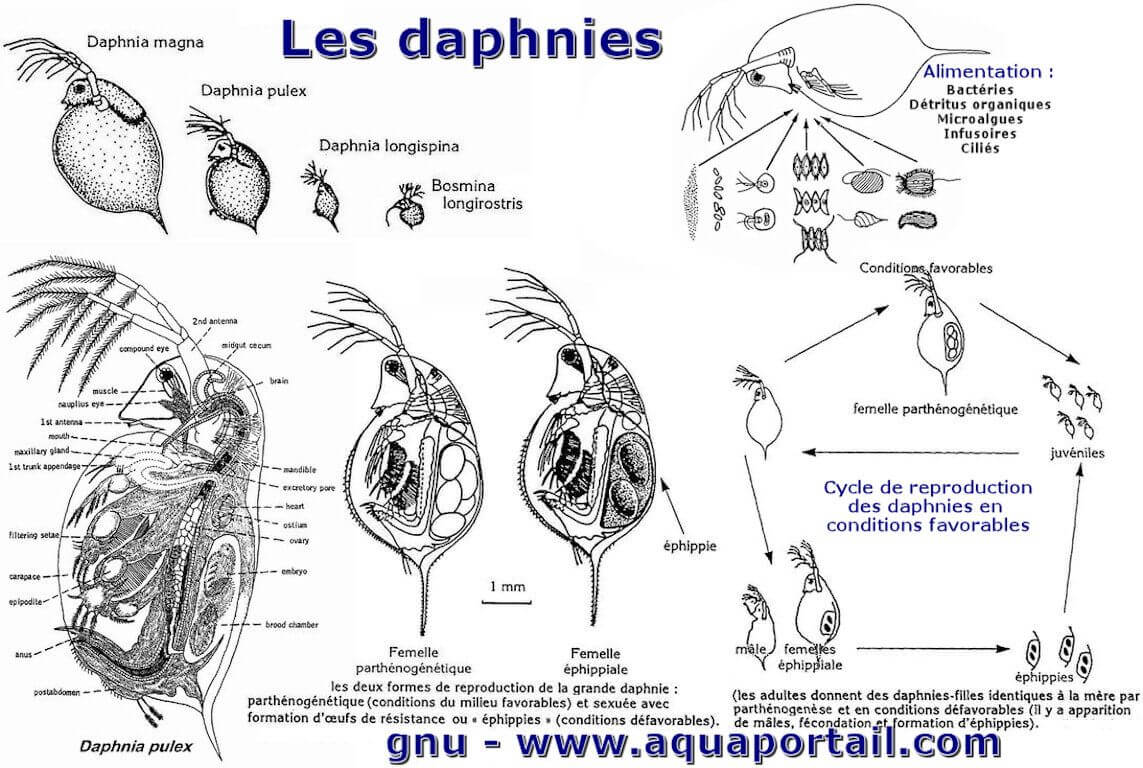
Daphnia is a planktonic branchiopod crustacean of the family Daphniidae, forming a dominant portion of freshwater plankton.
dawn

Dawn marks the transition between night and day, when the sky brightens and morning breaks in the East.
deltoid
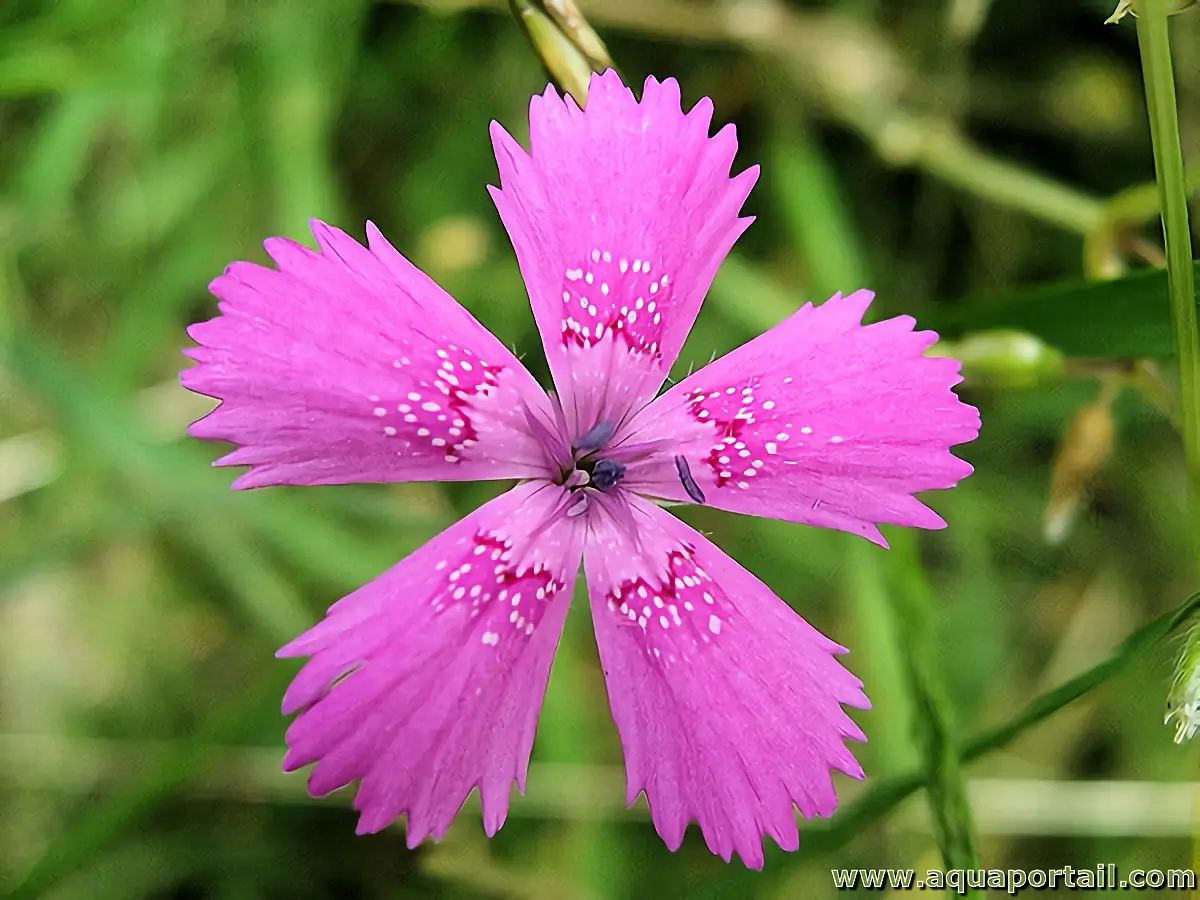
Generally, what is deltoid is triangular, having a shape that evokes the uppercase Greek letter delta Δ, delta-shaped.
