Cancer
noun (n.)
Definition
Cancer is a disease in which certain cells of the body grow uncontrollably and spread to other parts of the body.An ovarian cancer with cancerous cells:
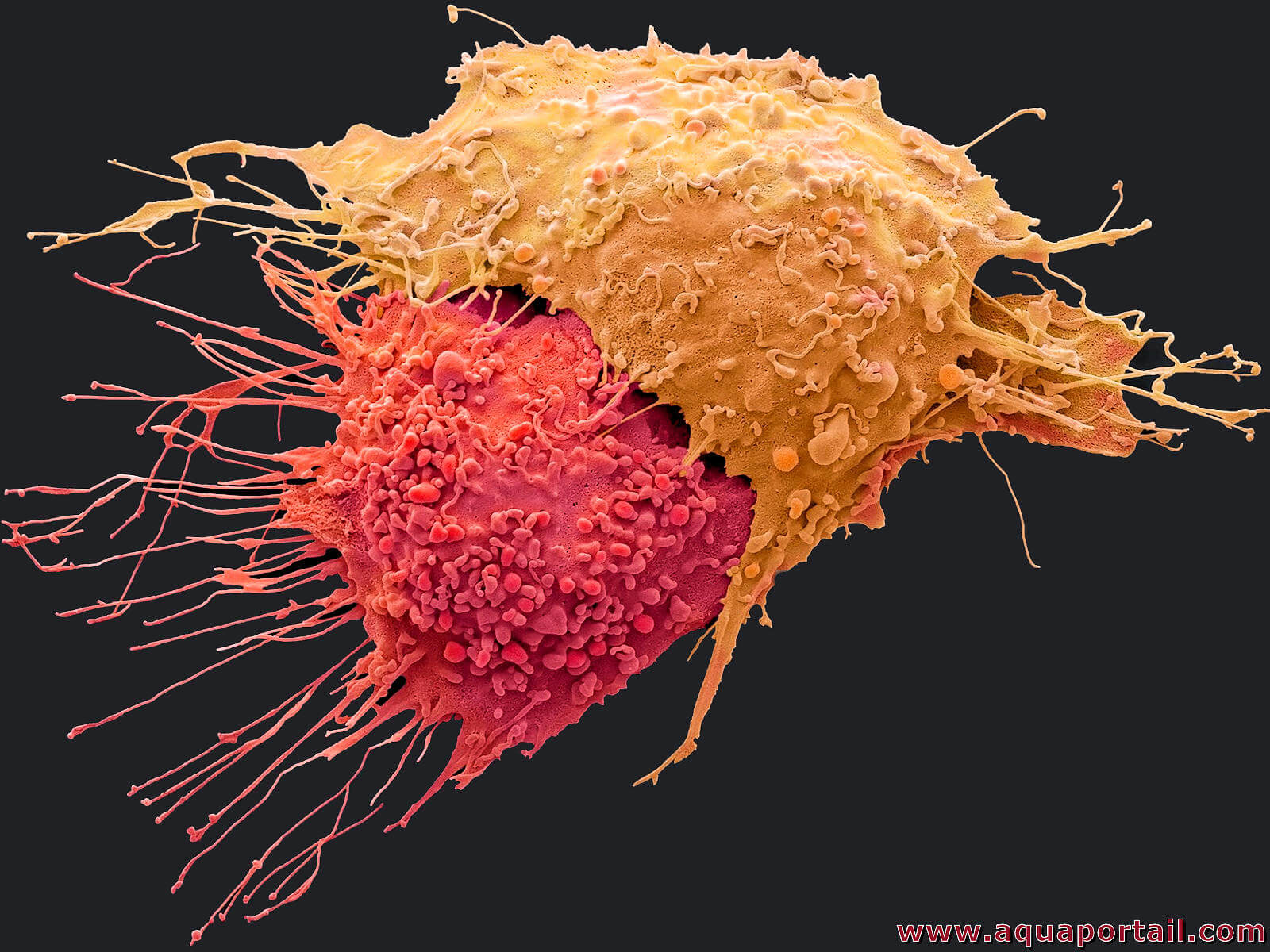
Ovarian cancer with cancerous cells. Ovarian cancer does not normally produce symptoms until it has reached an advanced stage.
Explanations
Cancer (a tumor or malignant neoplasm) is a group of diseases involving abnormal cell growth with the potential to invade and spread to other parts of the body beyond the primary site.
Cancer is a disease in which abnormal cells divide uncontrollably and destroy body tissues. Cancer is caused by changes in DNA. Most cancer-causing DNA changes occur in sections of DNA called genes.
There are more than 100 known different types of cancer affecting humans, though not all tumors are cancerous (malignant). Benign tumors do not spread throughout the body. Possible signs and symptoms include the appearance of a cancerous lump, abnormal bleeding, a persistent cough, unexplained weight loss, and changes in bowel habits, among others. While these symptoms may indicate cancer, they can also arise from other conditions.
Cancer cells are generally large, have an irregular surface, and divide rapidly in a chaotic manner. Clusters (neoplastic tumors) of these cells can form and invade and destroy surrounding tissues.
Main types
The most common types of cancer are:
- breast cancer: cancer that forms in the cells of the breasts. The most common cancer in women.
- Prostate cancer: cancer of the prostate in men, a small walnut-sized gland that produces seminal fluid. The most common cancer in men (excluding skin cancer).
- bladder cancer: blood in the urine is a common symptom of bladder cancer. With all stages of bladder cancer combined, the five-year relative survival rate is 80%.
- Skin cancer: skin cancer is divided into non-melanoma (basal cell) and melanoma categories.
- Basal cell carcinoma: a cutaneous cancer originating in basal cells. Most forms of this cancer are curable.
- Melanoma: the most serious type of skin cancer. It accounts for roughly 5% of people diagnosed with skin cancer, yet is responsible for over 75% of all skin cancer deaths.
- Colorectal cancer: cancer of the colon or rectum, located at the lower end of the digestive tract.
- Lung cancer: cancer that starts in the lungs and occurs most frequently in smokers.
- kidney (renal) cancer: smoking is a major risk factor for kidney cancer, along with obesity and hypertension.
- Liver (hepatic) cancer: excessive alcohol consumption or certain medications cause jaundice, which can be an early sign of liver cancer.
- Leukemia: cancer of blood-forming tissues, impairing the body's ability to fight infections.
- Myeloma: multiple myeloma (plasma cell myeloma or Kahler's disease) is a cancer originating in plasma cells, another type of immune cell. Abnormal plasma cells accumulate in the bone marrow and form tumors in bones throughout the body.
- Lymphoma: cancer of the lymphatic system. One common symptom of non-Hodgkin lymphoma (NHL) is swollen lymph nodes. There are roughly 30 different types of NHL.
- Thyroid cancer: three out of four cases of thyroid cancer occur in women. Perhaps surprisingly, it is the fastest-increasing cancer in both men and women. A lump in the neck is the most common symptom of thyroid cancer.
Initial symptoms
The signs and symptoms of cancer depend on where the cancer is located, its size, and the extent of its effects on nearby organs or tissues. If a cancer has spread (metastasized), signs or symptoms may appear in different parts of the body.
A cancer may grow or begin pushing on nearby organs, blood vessels, and nerves. This pressure causes some of the signs and symptoms of cancer.
Cancer may also cause symptoms such as fever, extreme fatigue, or weight loss. This may be because cancer cells consume a large portion of the body's energy supply, or because the cancer releases substances that alter how the body produces energy. Cancer can also trigger an immune system reaction that produces these signs and symptoms.
Most signs and symptoms are not caused by cancer, but may be triggered by other factors. If you have signs and symptoms that do not go away or worsen, you should see a doctor to determine the cause. If cancer is not the cause, a doctor can help identify what is causing them and treat it if necessary.
For example, lymph nodes are part of the body's immune system and help trap harmful substances in the body. Normal lymph nodes are tiny and can be hard to find.
However, in the event of infection, inflammation, or cancer, the nodes may enlarge. Those close to the body's surface may become large enough to be felt with the fingers, and some may even be noticed as a swelling or lump beneath the skin.
One reason lymph nodes may swell is if cancer becomes trapped there. Therefore, if you have unusual swelling or a lump, you should consult your physician to understand what is happening.
If you notice major changes in how your body functions or how you feel – especially if they last a long time or get worse – let a doctor know. If it has nothing to do with cancer, the doctor can find out more about what is happening and treat it if needed. If it is cancer, you give yourself the chance to have it treated early, when treatment is most effective.
Sometimes it is possible to detect cancer before symptoms appear.
And keep in mind that even if you undergo cancer screening tests, it is still important to see a doctor if you experience new or worsening signs or symptoms. Signs and symptoms may indicate cancer or another illness requiring treatment.
Synonyms, antonyms
Spanish translation: cáncer
2 synonyms (similar meaning) for "cancer":
- malignant neoplasm
- malignant tumor
2 antonyms (opposite meaning):
- benign neoplasm
- benign tumor
Related words and expressions to CANCER are directly connected by general or specific meaning.
The word CANCER is listed on page 1 of words starting with C in the dictionary glossary.
Related to "cancer"
cactus

A cactus is a thick, fleshy plant that grows in many hot, dry regions of the world. Cacti do not have leaves, and many are covered with spines.
caecilian

A caecilian (gymnophione) is a limbless, burrowing, worm-like amphibian whose legs are vestigial or absent.
capsule

A hard capsule (gelcap) is a small, hollow, hard-shelled capsule made of two interlocking halves containing a medication, nutraceutical, or dietary...
carbonic anhydrase
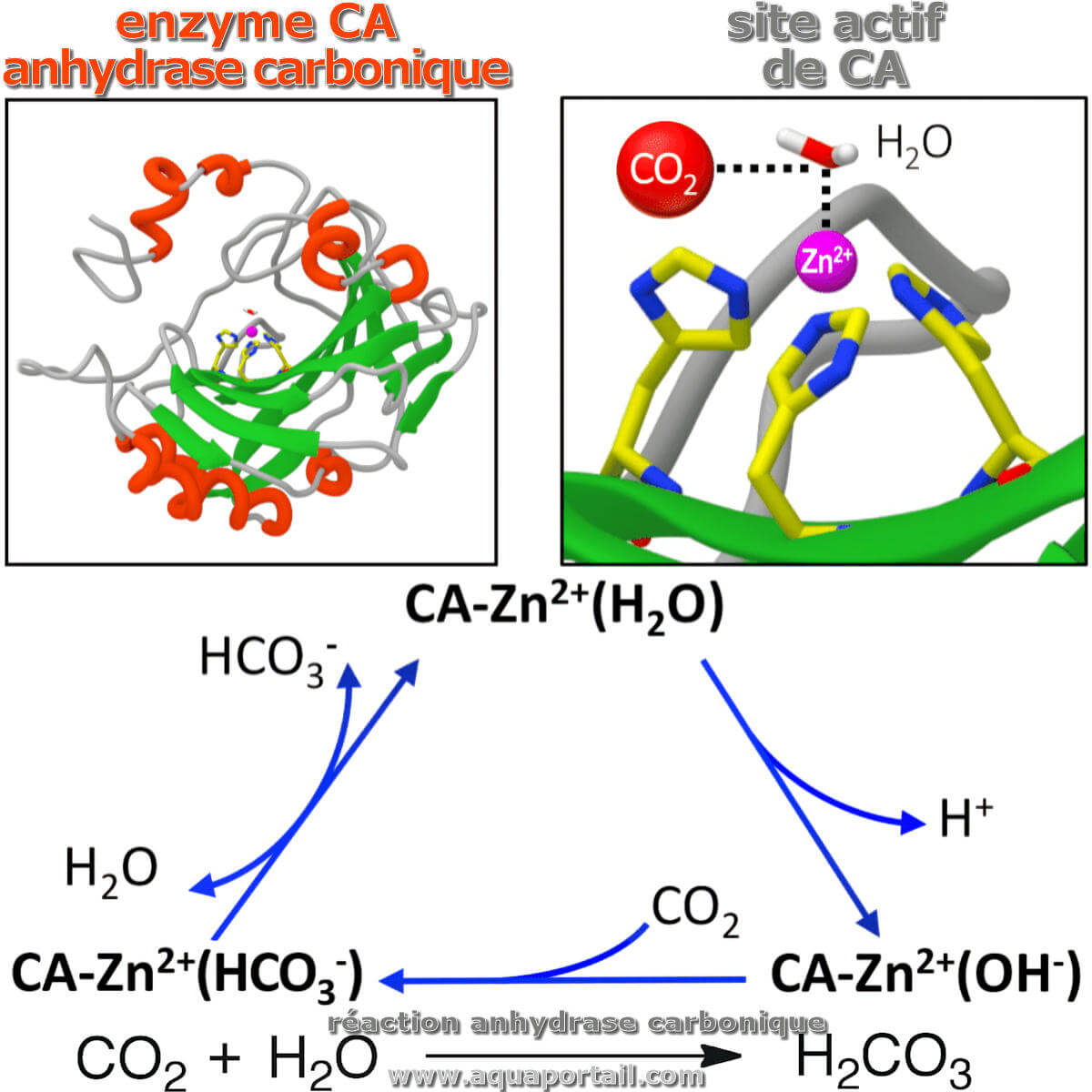
Carbonic anhydrase (CA) catalyzes the reversible hydration and dehydration reactions of CO₂/H₂CO₃.
