Bacteriochlorophyll
noun (n.)
Definition
A bacteriochlorophyll (BChl) is a pigment of photosynthetic eubacteria other than cyanobacteria, yet containing chlorophyll and able to carry out photosynthesis. Bacteriochlorophyll is the general name given to photoconversion pigments, which transform light energy into chemical energy, present in photosynthetic bacteria among which cyanobacteria.
The chemical structure of some bacteriochlorophylls:

This view of the chemical structures of bacteriochlorophylls c, d, e, and f shows structural features that differentiate these four pigments (circled).
Explanations
A bacteriochlorophyll, a chemical compound, is a chlorophyll unit of phototrophic bacteria that differs from eukaryotic chlorophyll a by a few external substitutions on the pyrrole rings. The types of bacteriochlorophylls are:
- bacteriochlorophyll a (a bacteriochlorin) in all bacteria: they are bacteriochlorins
- bacteriochlorophyll b (a bacteriochlorin) in purple sulfur (proteobacteria) or non-sulfur bacteria
- bacteriochlorophyll c (for chloramination with a chlorin) in green sulfur or non-sulfur bacteria
- bacteriochlorophylls d and e (chlorins) in green sulfur bacteria
- bacteriochlorophyll g is a heliobacterium.
Bacteriochlorophylls a, b, and g are bacteriochlorins, meaning their molecules have a bacteriochlorin macrocycle ring with two reduced pyrrole rings (B and D). Bacteriochlorophylls c, d, e, and f are chlorins, meaning their molecules have a chlorin ring with a reduced pyrrole (D).
Bacteriochlorophylls are the primary pigments in certain plants, algae, and cyanobacteria. Groups containing bacteriochlorophylls conduct photosynthesis, but do not produce oxygen. They use wavelengths of light not absorbed by plants or cyanobacteria.
Bacteriochlorophyll acts as a chromatophore or pigment cell in certain bacteria.
A much greater diversity of chlorophyll derivatives (bacteriochlorophylls) is found among the various groups of anoxygenic phototrophic bacteria. Chemically, they differ in the side groups on the tetrapyrrole ring and the nature of the ester: phytyl, phytadienyl, farnesyl, or geranylgeraniol. They all have their long-wavelength absorption maximum in the infrared wavelength range. The in vivo spectrum depends on the location in the membrane of the bacteriochlorophyll-protein complexes; consequently, the same pigment can have different absorption maxima in different organisms. All bacteriochlorophylls show a very significant redshift of the absorption maximum when removed from photosynthetically active membranes by extraction in organic solvents.
Bacteriochlorophyll a, with in vivo absorption peaks at 800–805 nm and around 870 nm, is particularly widespread: it is found in many types of photosynthetic proteobacteria, including anaerobic sulfur-oxidizing bacteria (Chromatium, Ectothiorhodospira) and others such as Rhodobacter and Rhodospirillum.
Most anoxygenic phototrophs require anaerobic conditions for bacteriochlorophyll production; there are also anoxygenic phototrophs (Erythrobacter, Roseobacter, Roseovarius, Staleya, Rubriomonas, Roseivivax, and others) that produce bacteriochlorophyll a in the presence of oxygen. Recommended standards for describing new species of anoxygenic phototrophic bacteria include recording the color of cell suspensions, in vivo absorption spectra from 370 to 1,020 nm, and information on the type of bacteriochlorophyll present.
Synonyms, antonyms
Spanish translation: bacterioclorofila
1 synonym (similar meaning) for "bacteriochlorophyll":
0 antonyms (opposite meaning).
Related words and expressions to BACTERIOCHLOROPHYLL are directly connected by general or specific meaning.
The word BACTERIOCHLOROPHYLL is listed on page 1 of words starting with B in the dictionary glossary.
Related to "bacteriochlorophyll"
bacterial artificial chromosome
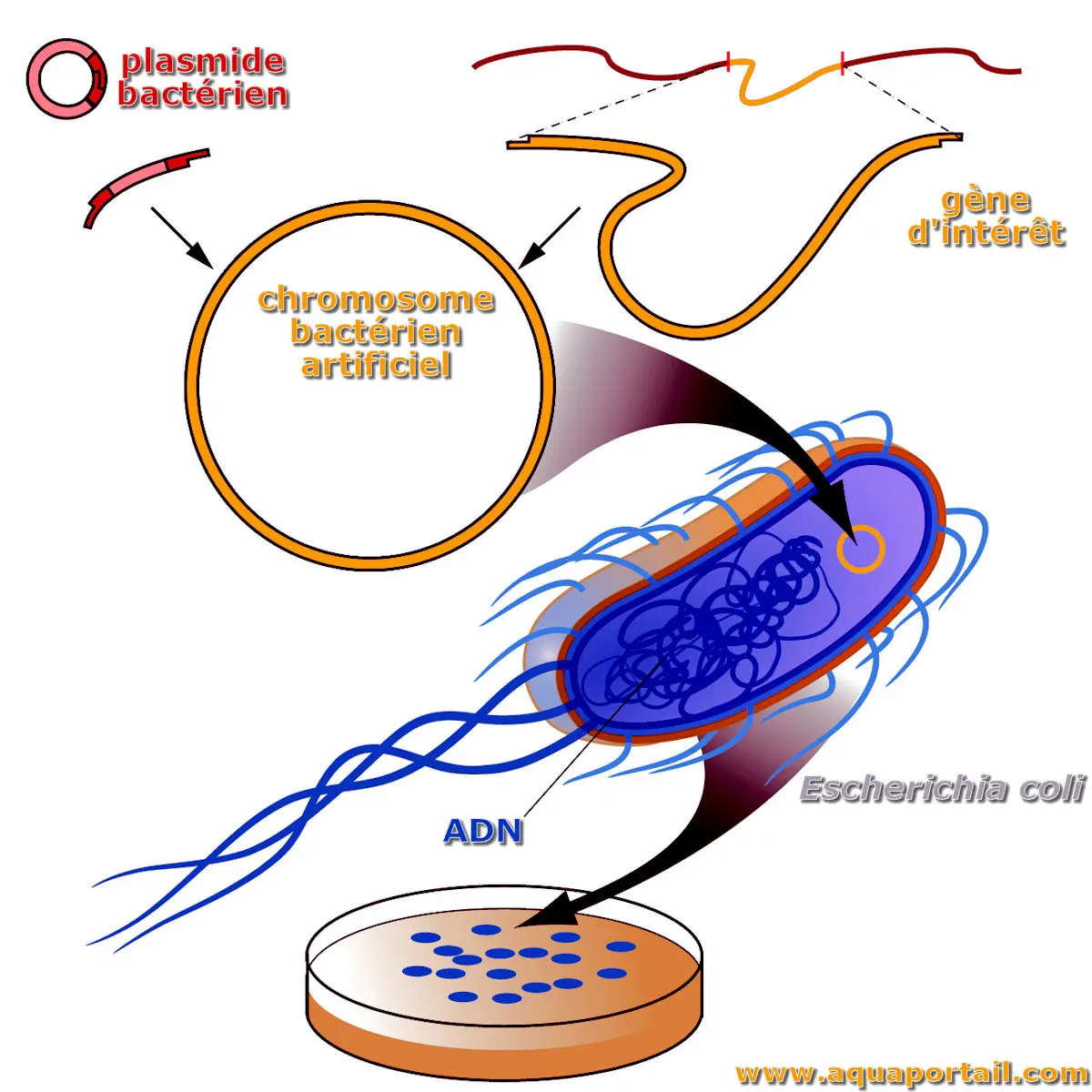
A bacterial artificial chromosome (BAC) is a DNA construct, based on a functional fertility plasmid or F-factor, used for transformation and bacterial cloning...
bacteriorhodopsin
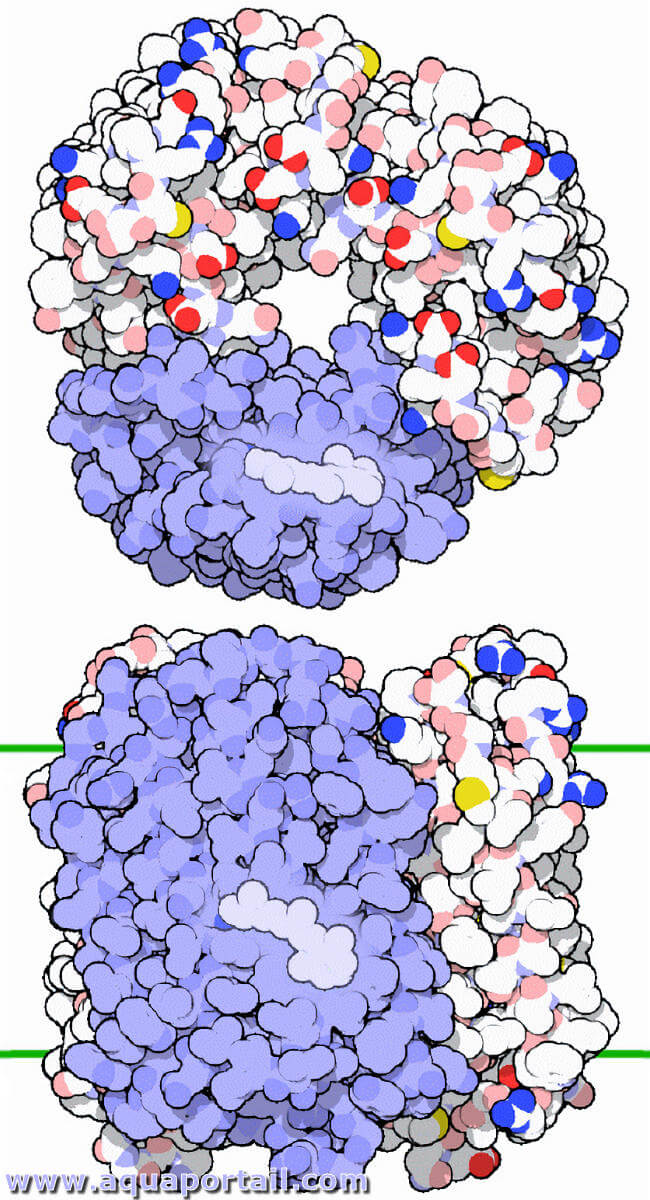
Bacteriorhodopsin (or proteorhodopsin) is a pigment of extreme halophilic photosynthetic archaebacteria.
bacterium

A bacterium is a unicellular prokaryotic microorganism, primarily round, spiral, or rod-shaped, that generally lives in soil, water, organic matter...
denitrifier bacteria
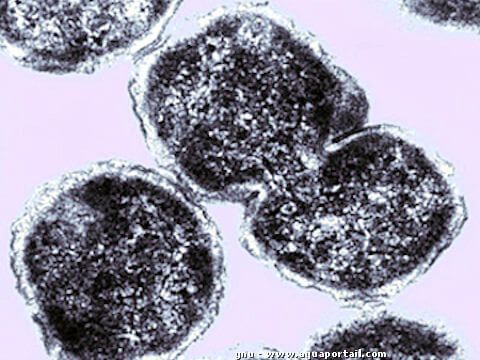
Denitrifying bacteria, following the nitrification phase, enable the denitrification of an environment, that is, removing nitrogen present in the form...
