Basic
adjective (adj.)
Definition
In Earth and water sciences, a basic environment has a pH greater than 7 (neutral zone), as opposed to acidic, due to the presence of dissolved salts, generally calcium and magnesium. An environment rich in bases is termed basic or alkaline.
A pH scale with acidic and basic :
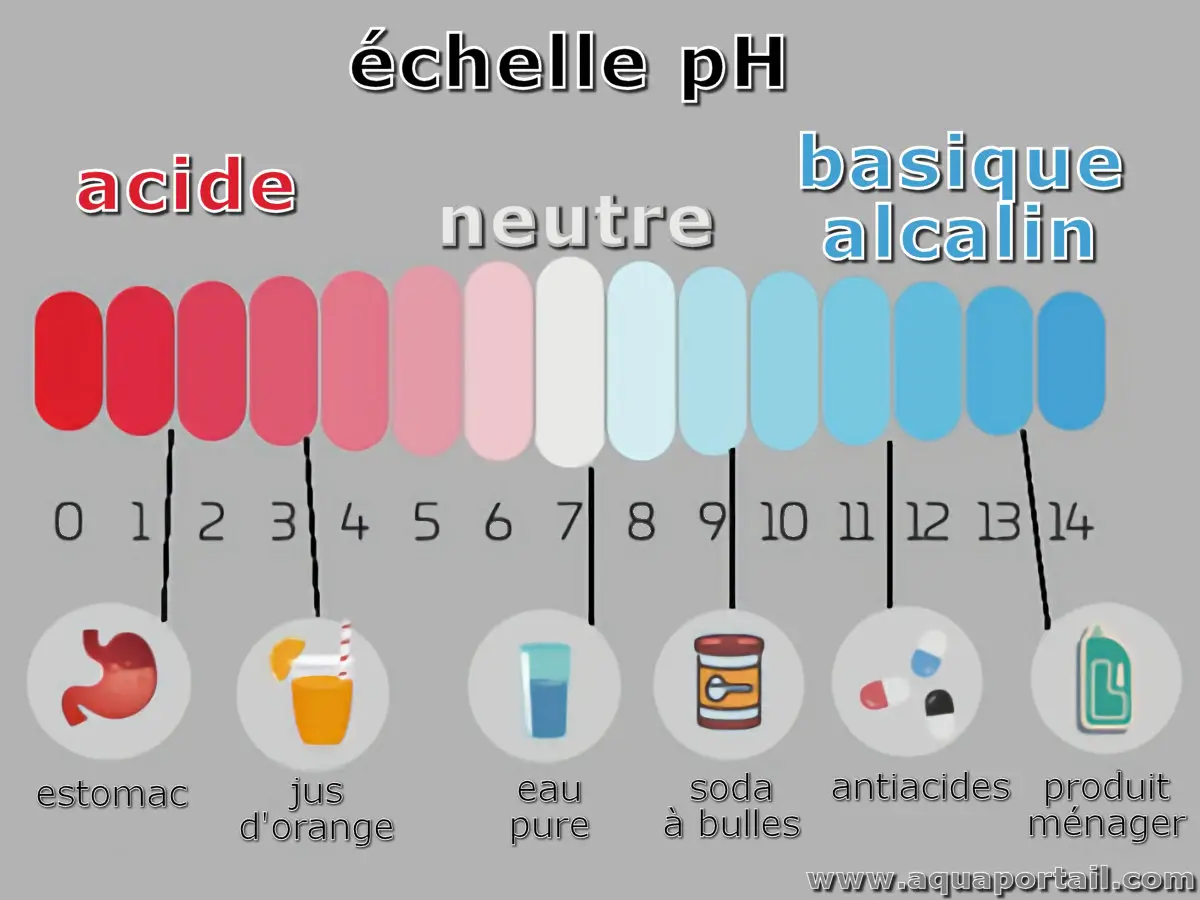
The basic or alkaline part of a pH scale is on the right, with a value greater than the neutral pH of 7—it is that simple.
Explanations
Basic carbonates are compounds combining a metal cation with OH- (hydroxide) and CO32- (carbonate) anions.
In geology, a basic (or mafic) rock describes an igneous rock whose silica (SiO2) content is between 45 and 52% by weight, resulting in the absence of quartz crystals (as opposed to an acidic rock). Basic rocks contain 20 to 45% iron, magnesium, and calcium. The main basic rocks (mafic rocks) are ophiolites, gabbros, and basalts.
Mafic to ultramafic rock
Ultramafic or ultrabasic rocks are igneous and meta-igneous rocks with very low silica (SiO2) content (less than 45%), generally above 18% MgO, high FeO content, low potassium content, and typically composed of more than 90% mafic minerals (dark coloration, high magnesium and iron content). The Earth's mantle is considered to be composed of ultramafic rocks.
Mafic minerals (dark minerals, basic minerals) are minerals that contain a high amount of magnesium and iron. Accordingly, the word "mafic" is derived from "ma" for magnesium and "f" for iron (ferrum). Mafic minerals are found primarily in igneous rocks and their metamorphic equivalents. Mafic rocks include volcanic rocks such as basalt and plutonic rocks such as gabbro.
For example, basalt is an aphanitic mafic igneous rock.
Synonyms, antonyms
Spanish translation: básico, alcalino
2 synonyms (similar meaning) for "basic":
1 antonym (opposite meaning):
Related words and expressions to BASIC are directly connected by general or specific meaning.
The word BASIC is listed on page 1 of words starting with B in the dictionary glossary.
Related to "basic"
acid

An acid is a substance that, when dissolved in water, produces an increased concentration of hydrogen ions.
bacterial artificial chromosome

A bacterial artificial chromosome (BAC) is a DNA construct, based on a functional fertility plasmid or F-factor, used for transformation and bacterial cloning...
bacteriochlorophyll

A bacteriochlorophyll (BChl) is a pigment of photosynthetic eubacteria other than cyanobacteria, yet containing chlorophyll and able to carry...
bacteriorhodopsin
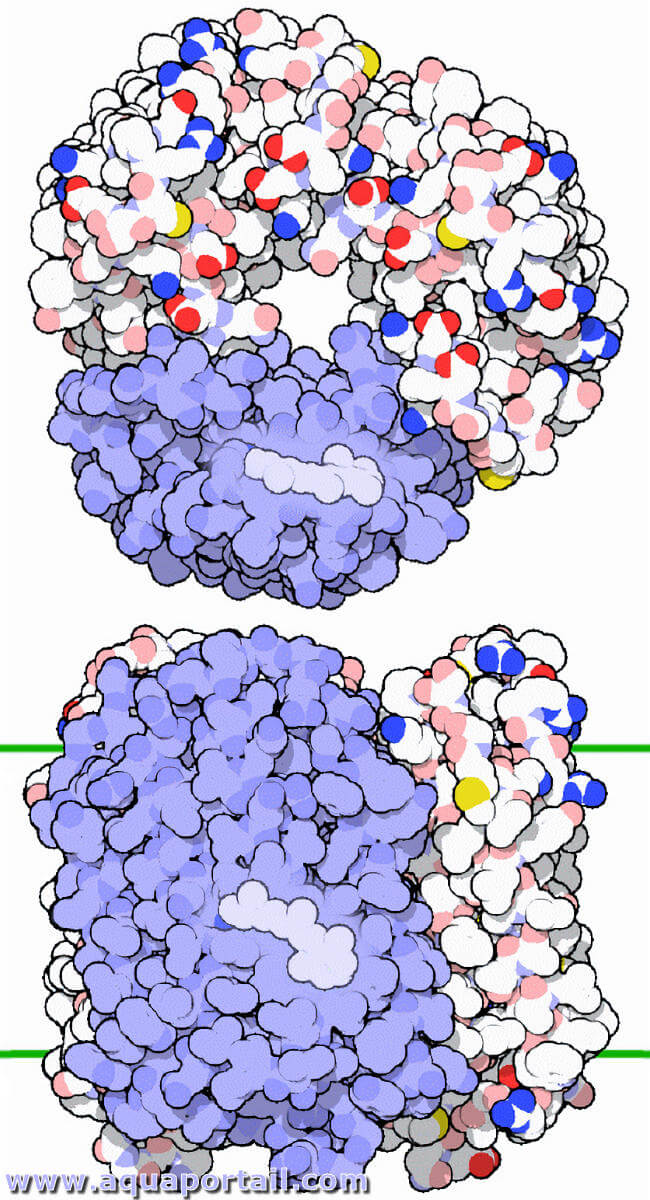
Bacteriorhodopsin (or proteorhodopsin) is a pigment of extreme halophilic photosynthetic archaebacteria.
