The basilar papilla, in tetrapods, refers to an auditory organ of the membranous labyrinth, formed of ciliated auditory hair cells covered by a tectorial membrane. It is poorly developed in amphibians (disappearing in most urodeles and caecilians) and reptiles, whereas this basilar papilla elongates into an organ of Corti in crocodilians, birds, and mammals. See also amphibian papilla.
bacterial artificial chromosome
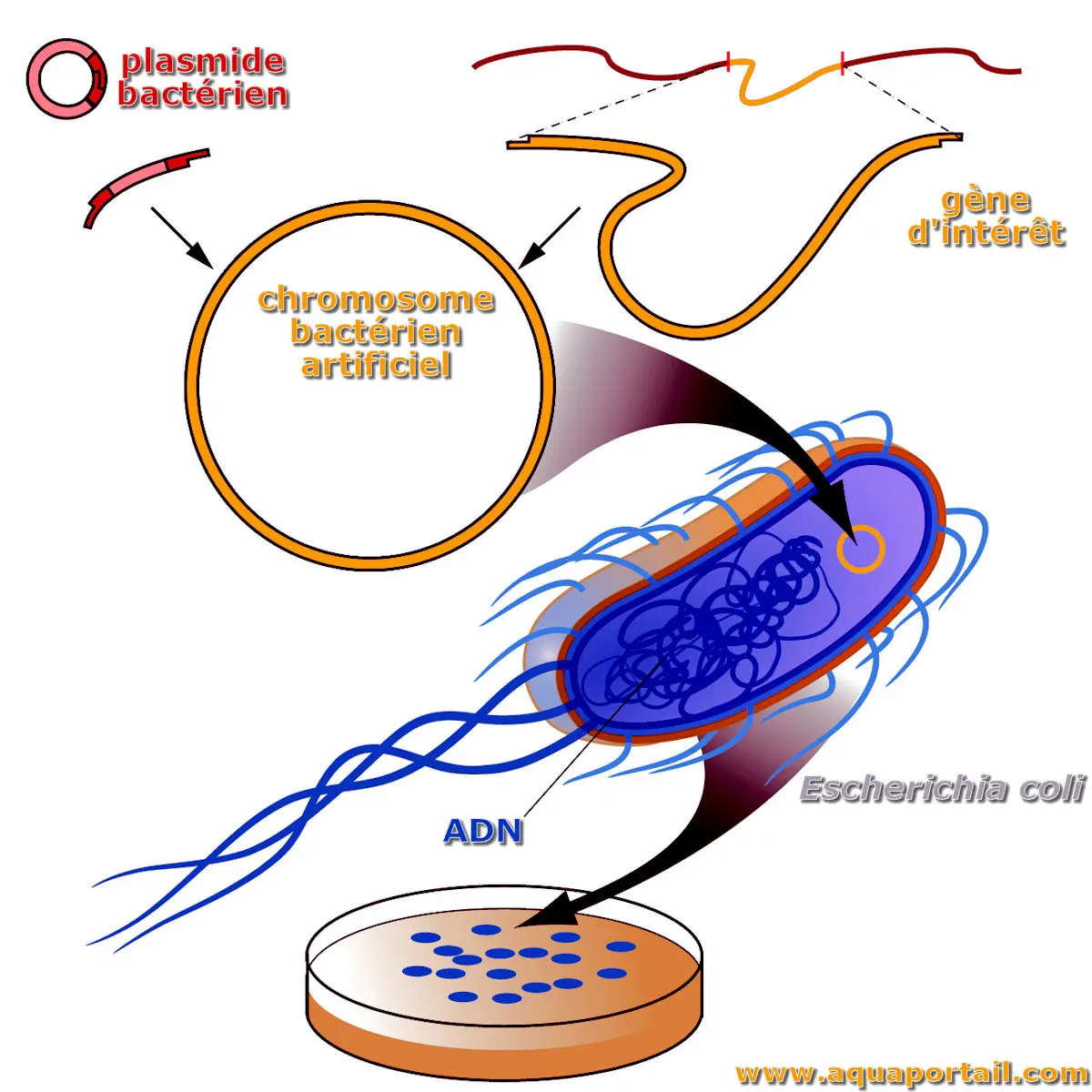
A bacterial artificial chromosome (BAC) is a DNA construct, based on a functional fertility plasmid or F-factor, used for transformation and bacterial cloning...
bacteriochlorophyll

A bacteriochlorophyll (BChl) is a pigment of photosynthetic eubacteria other than cyanobacteria, yet containing chlorophyll and able to carry...
bacteriorhodopsin
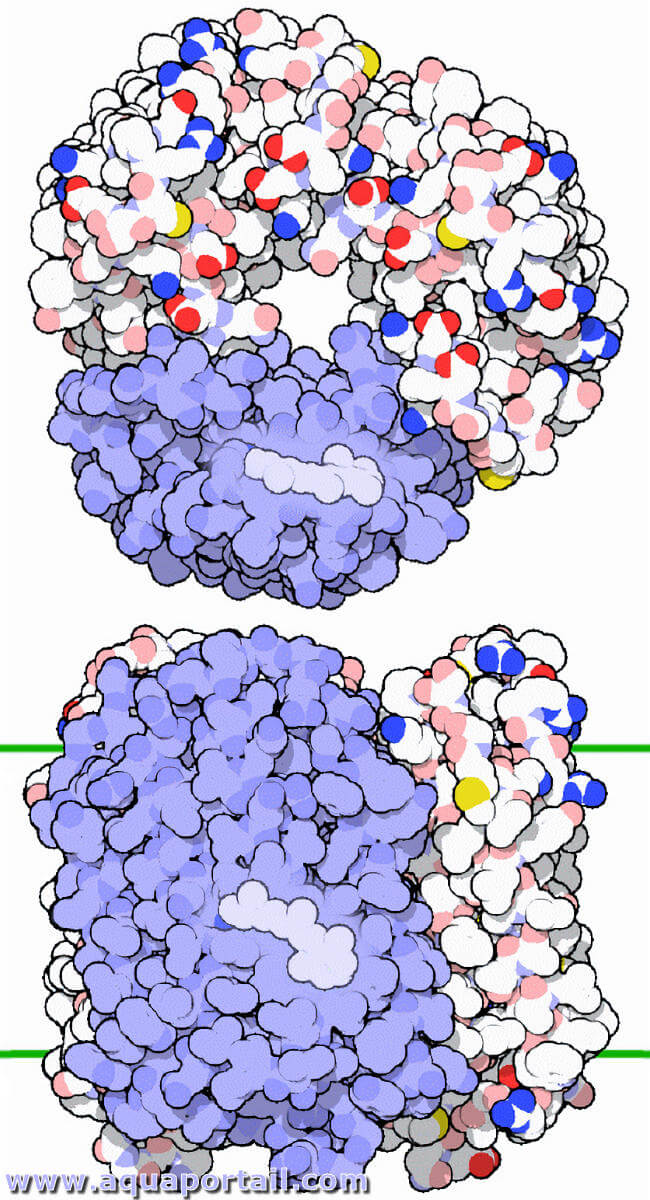
Bacteriorhodopsin (or proteorhodopsin) is a pigment of extreme halophilic photosynthetic archaebacteria.
bacterium

A bacterium is a unicellular prokaryotic microorganism, primarily round, spiral, or rod-shaped, that generally lives in soil, water, organic matter...
