Biogeographic zone
noun phrase (n. phr.)
Definition
A biogeographic zone is a geographically defined area based on its floristic and/or faunistic composition, its biocenosis, its biotope, and the ecology of its habitat (ecotone, for example).
See also bioclimatic region.
Biogeographic zones according to Wallace:

The biogeographic zone is represented by a biogeographic map that transposes the zone into two dimensions, dividing regions into bioclimatic zones (as established by Alfred Wallace in 1876).
Explanations
A biogeographic zone designates a specific region of the Earth's surface characterized by a distinct assemblage of flora and fauna, shaped by ecological, climatic, and geographic factors. These zones constitute unique habitats where the evolutionary history of species, environmental conditions, and geographic features converge to create diverse ecosystems.
Each biogeographic zone is bounded by its own natural borders, such as mountain ranges, watercourses, or climatic transitions, which influence the distribution and interaction of the life forms composing it. This concept plays a crucial role in biodiversity studies, conservation efforts, and understanding natural relationships within and between different environments.
A biome is the set of ecosystems characteristic of a biogeographic zone defined by its vegetation and predominant animal species. It is the expression of local ecological conditions at the regional or continental level: climate and soil determine the ecological conditions to which the plant and animal communities of the biome in question respond.
An allochoric stand refers to populations of the same species that are isolated even though they live within the same biogeographic region.
The biome (macroecosystem, biotic area, ecozone, or ecoregion) is an assemblage of ecosystems characteristic of a biogeographic area.
Every species in the world has a unique geographic distribution. Yet many species have similar ranges. Numerous factors can cause two (or more) species to have similar ranges - for example, shared evolutionary histories, physical barriers (mountains, oceans, etc.), or ecological barriers limiting their dispersal. Consequently, different regions of the globe are inhabited by different assemblages of living organisms.
History
In the mid-19th century, ecologists recognized that the Earth could be divided into distinct biogeographic regions. Alfred Russel Wallace (1823–1913) played a key role in defining and recognizing biogeographic regions. He improved existing maps of biogeographic regions and provided basic rules for identifying them. His observation that some of these regions harbor similar species, even though they are far apart and separated by major barriers, inspired Alfred Wegener's theory of continental drift.
Since the beginning of the 21st century, regionalization has been used to understand the spatial drivers of biological evolution and to protect regions characterized by particularly unique flora and fauna.
Synonyms, antonyms
Spanish translation: zona biogeográfica
3 synonyms (similar meaning) for "biogeographic zone":
- biogeographic domain
- biogeographic region
- geographic area
0 antonyms (opposite meaning).
Related words and expressions to BIOGEOGRAPHIC ZONE are directly connected by general or specific meaning.
The expression BIOGEOGRAPHIC ZONE is listed on page 1 of words starting with B in the dictionary glossary.
Related to "biogeographic zone"
bioclimatic region

A bioclimatic region designates a specific geographic area characterized by distinct climatic conditions supportive of particular ecosystems, vegetation...
growth zone
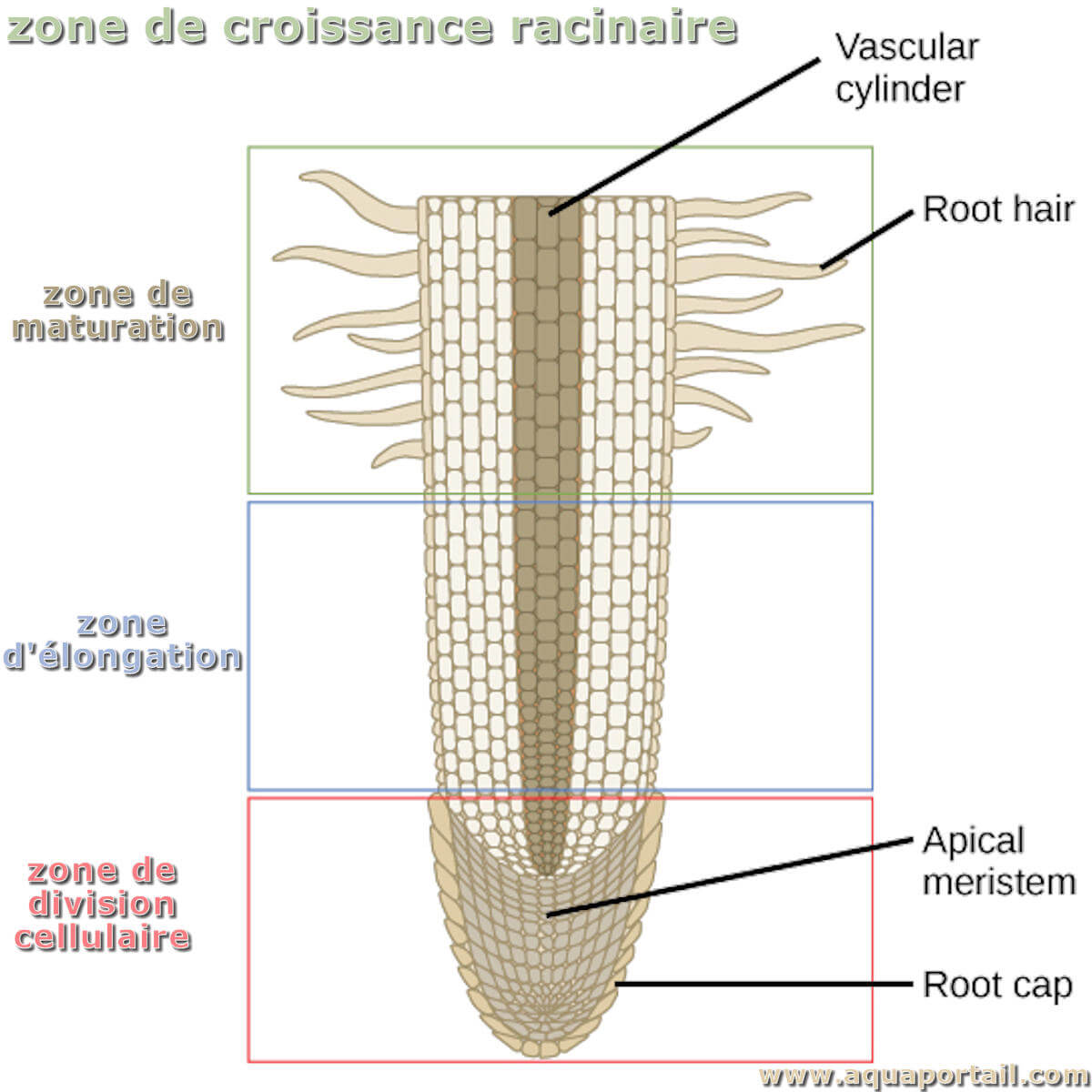
A growth zone, in biology, is a region where tissues grow through cell division and/or an increase in the size of these cells.
intertidal zone
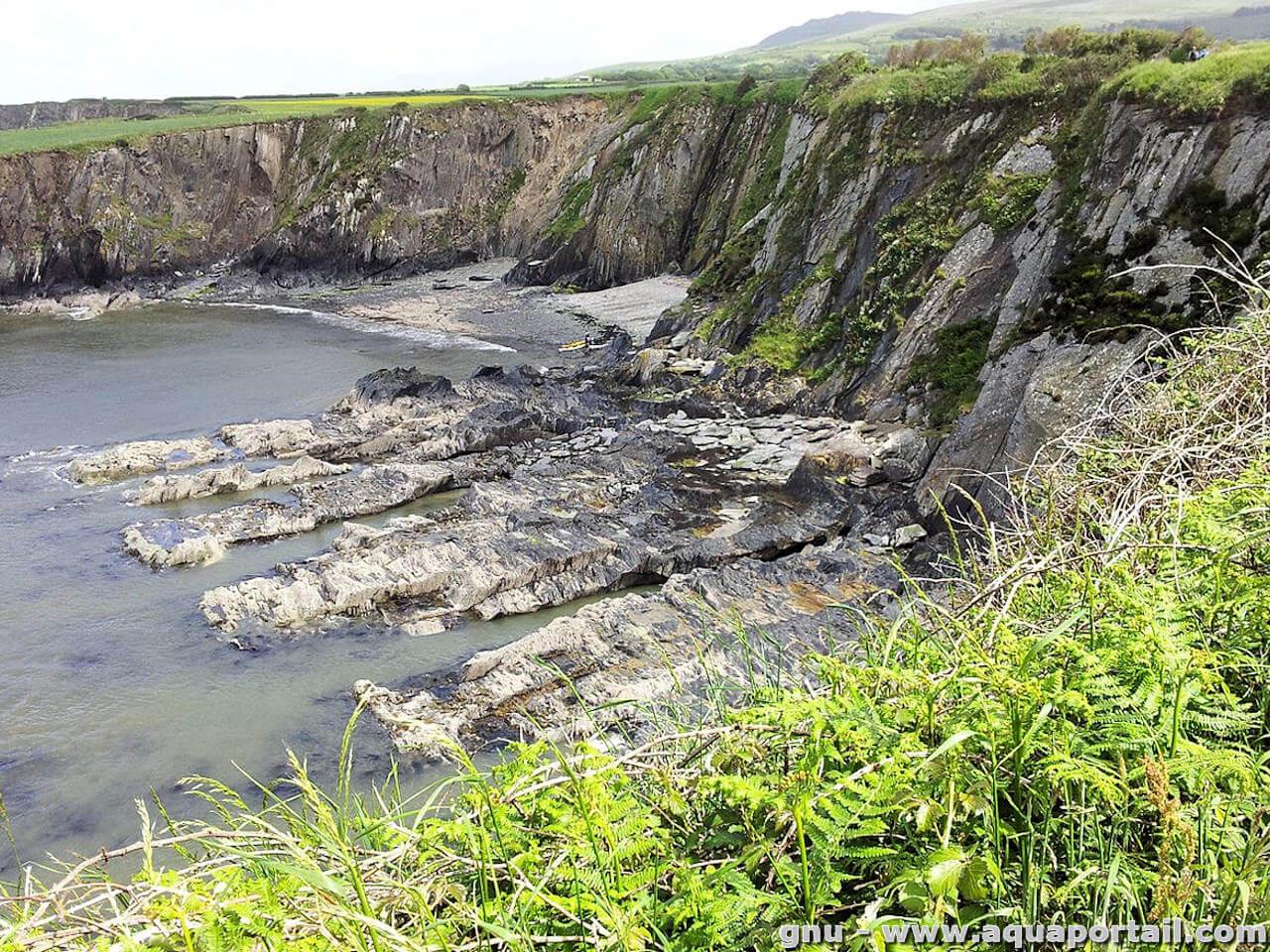
The intertidal zone is an area of the foreshore subjected to tides, often in the spring tidal range zone.
meristematic zone

A meristematic zone is directly related to a meristem, which is a plant tissue. The meristematic growth zone bears meristematic cells that provide rapid...
