Evolution
noun (n.)
Definition
Evolution refers to development—a process of change across all forms. Change in the genetic composition of a biological population across successive generations, driven by natural selection, genetic drift, hybridization, or mutation, constitutes biological evolution.The sequence of events describing the evolutionary history of a species or group of related organisms is phylogeny.
The evolution of insect mouthparts:

Evolutionary modifications of insect mouthparts. The evolution of insect mouthparts illustrates specialization from the ancestral chewing mouthparts of the grasshopper in the center (A), to the lapping type (B) and the siphoning proboscis type (C). Legend: a, antennae; c, compound eye; lb, labium; lr, labrum; md, mandibles; mx, maxillae.
Explanations
In cosmology and astronomy, tied to cosmic origins, evolution also refers to the development of the cosmos, solar system, stars, and galaxies; in Earth sciences, it similarly describes the geological history of Earth alongside biological evolution.
In biology, evolution encompasses the hereditary biological transformations that living organisms undergo across generations, leading to the emergence of new species or extinction. These changes originate primarily from genetic mutations in the genomes of germ cells.
Mutations that improve an individual's adaptation to its environment enhance survival and reproductive success, thereby increasing the likelihood of transmission across generations: this is selection, encompassing both natural selection and artificial selection (selective breeding and cultivation), and involving convergent evolution or parallel evolution within evolutionary biology.
Lamarckism was one of the earliest transformist theories of evolution, formulated by Jean-Baptiste Lamarck prior to Charles Darwin's work, in contrast to fixism.
See also adaptive evolution.
Tachytely identifies an accelerated rate of evolution in a given lineage, while tachymorphism denotes a marked acceleration in speciation rates during evolution.
See also evolutionism, evolutionary theory, resistance, resilience, involution, revolution, convergent evolution, divergent evolution, coevolution...
In religion and philosophy, emanationism is an ontological concept within certain traditions positing that beings manifest in the material world from a spiritual source.
Finally, in mechanical engineering and geometry, the term "involute" (and "evolute") is used as a geometric construction method for shaping gear teeth: as a straight line unrolls around a base circle, a point traces an involute curve.
Evolution of animals (including humans):

Jawed vertebrate evolution is rooted near cartilaginous fishes. The lungfish is more closely related to tetrapods (four bony limbs) than is the coelacanth, whose protein sequences evolve slowly.
🚩 When we hear "evolution," we often think of gradual change; in a broad sense, evolution refers to progressive development.
In a biological context, evolution can be understood as the sequence of events describing gradual shifts in the genetic makeup of a biological population across successive generations, or genetic change itself over time.
Evolution thus involves changes in the genetic composition of biological populations over successive generations, driven by core mechanisms including mutation, natural selection, genetic drift, and gene flow.
Biologically, evolution is vital because it drives biodiversity: certain traits become prevalent while others grow rare or vanish over time. Without evolution, life on Earth would not exist as we know it today.
3 types of evolution
There are three primary patterns of evolution: divergent evolution, parallel evolution, and convergent evolution. Grouping multiple taxa together may reflect either divergent evolution from a common ancestor (monophyletic group) or parallel or convergent evolution (polyphyletic group); phylogenetic methods allow researchers to distinguish between these alternatives.
Comparison of divergent, parallel, and convergent evolution:

Diagram comparing divergent, parallel, and convergent evolution.
Parallel evolution occurs when independent related species acquire similar traits while evolving separately from comparable ancestral genetic and developmental backgrounds.
Convergent evolution occurs when distantly related organisms independently evolve similar or analogous traits as adaptive responses to similar environmental pressures.
Devolution (de-evolution)
Devolution (or de-evolution)—the notion of "backward" evolution—suggests that a species can revert to a more primitive form over time. In modern biology, the term is scientifically inaccurate because it assumes an inherent hierarchy of structure and function and falsely equates evolution with linear "progress" toward "more advanced" organisms.
This misconception rests on two conceptual errors: the belief that evolution makes species inherently "higher" rather than "primitive," and the assumption that modern species that have lost organs or functions (such as eyesight in cave-dwelling animals) are degenerate forms of their ancestors.
Its usage is therefore largely historical or confined to non-scientific contexts.
A well-known aquariology example of adaptive trait regression occurs in the blind cave tetra Astyanax mexicanus.
Ancestral state reconstruction
Evolution has left its signature on the molecules and morphology of living organisms. Ancestral reconstruction offers a powerful tool for understanding evolutionary processes using comparative data, traditionally focusing on inferring ancestral states at internal nodes of a phylogeny.
Often, researchers are interested not merely in individual nodes of a phylogeny, but in the entire evolutionary history of a trait. Probabilistic and Bayesian methods estimate these evolutionary histories—or mutational pathways—across phylogenetic trees.
Mutational-mapping methods differ from standard approaches in their ability to estimate not only ancestral states at internal nodes of a phylogeny, but also the sequence and relative timing of evolutionary changes along branches.
Synonyms, antonyms
Spanish translation: evolución
1 synonym (similar meaning) for "evolution":
0 antonyms (opposite meaning).
Related words and expressions to EVOLUTION are directly connected by general or specific meaning.
The word EVOLUTION is listed on page 1 of words starting with E in the dictionary glossary.
Related to "evolution"
E=mc2
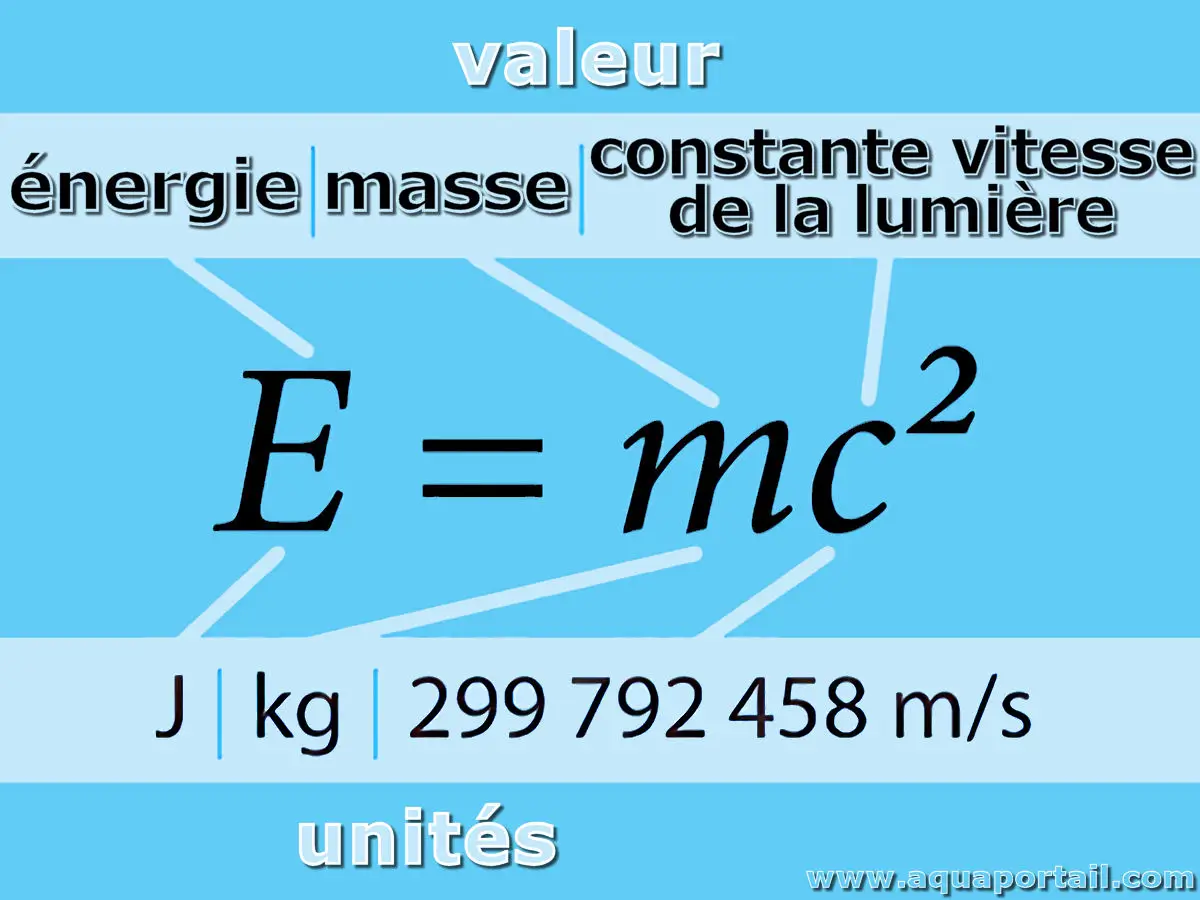
The formula E=mc2 (E = m. c²) is a mass-energy equivalence equation according to the theory of relativity developed by Albert Einstein. It expresses that...
Ecdysozoa

Ecdysozoans, of the superphylum Ecdysozoa, are protostomes undergoing ecdysis within Bilateria.
echinoderm
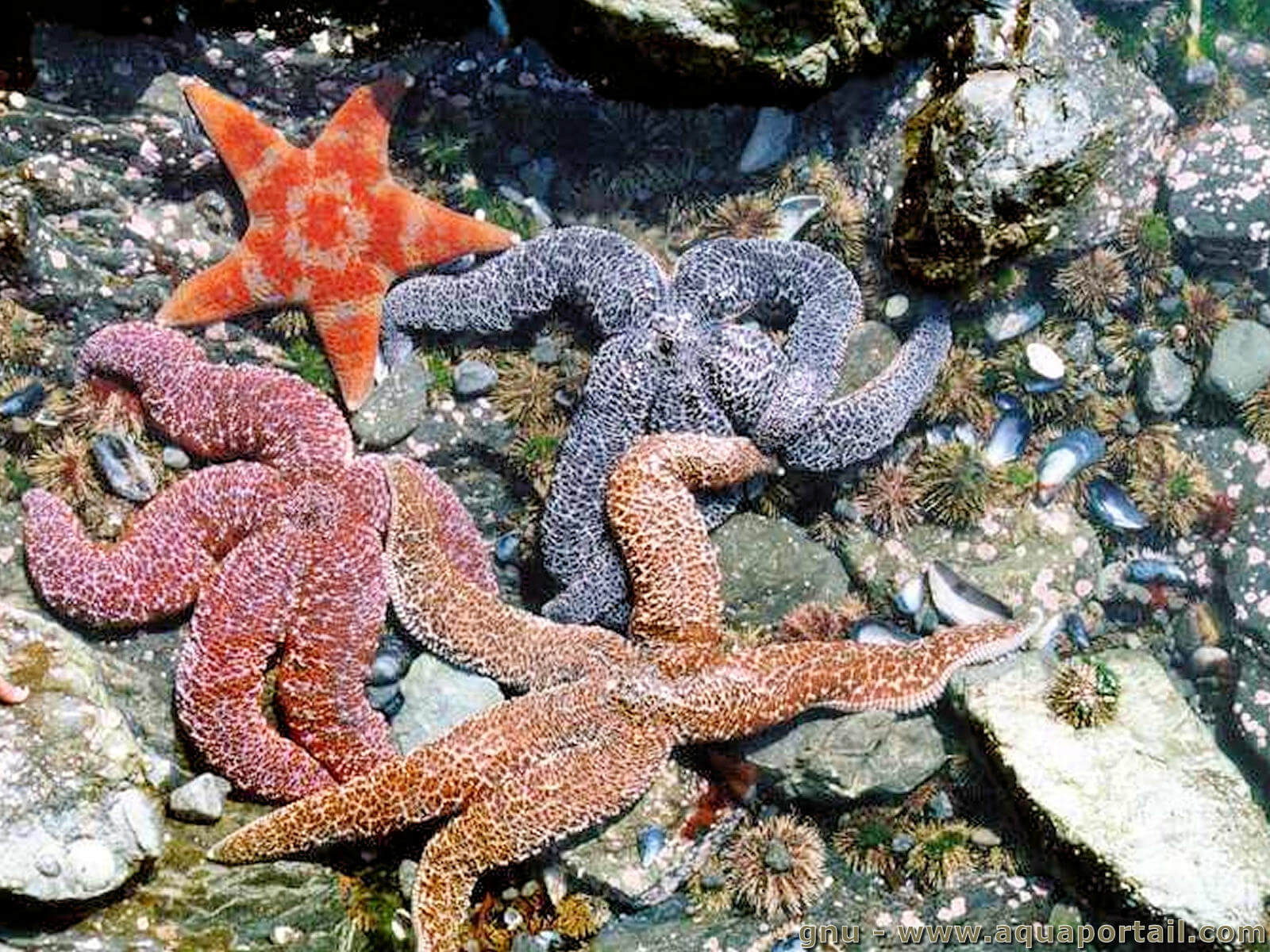
An echinoderm belongs to a lineage of invertebrates, the phylum Echinodermata, found exclusively in the world's oceans : starfish, brittle stars, sea urchins...
eco-grazing
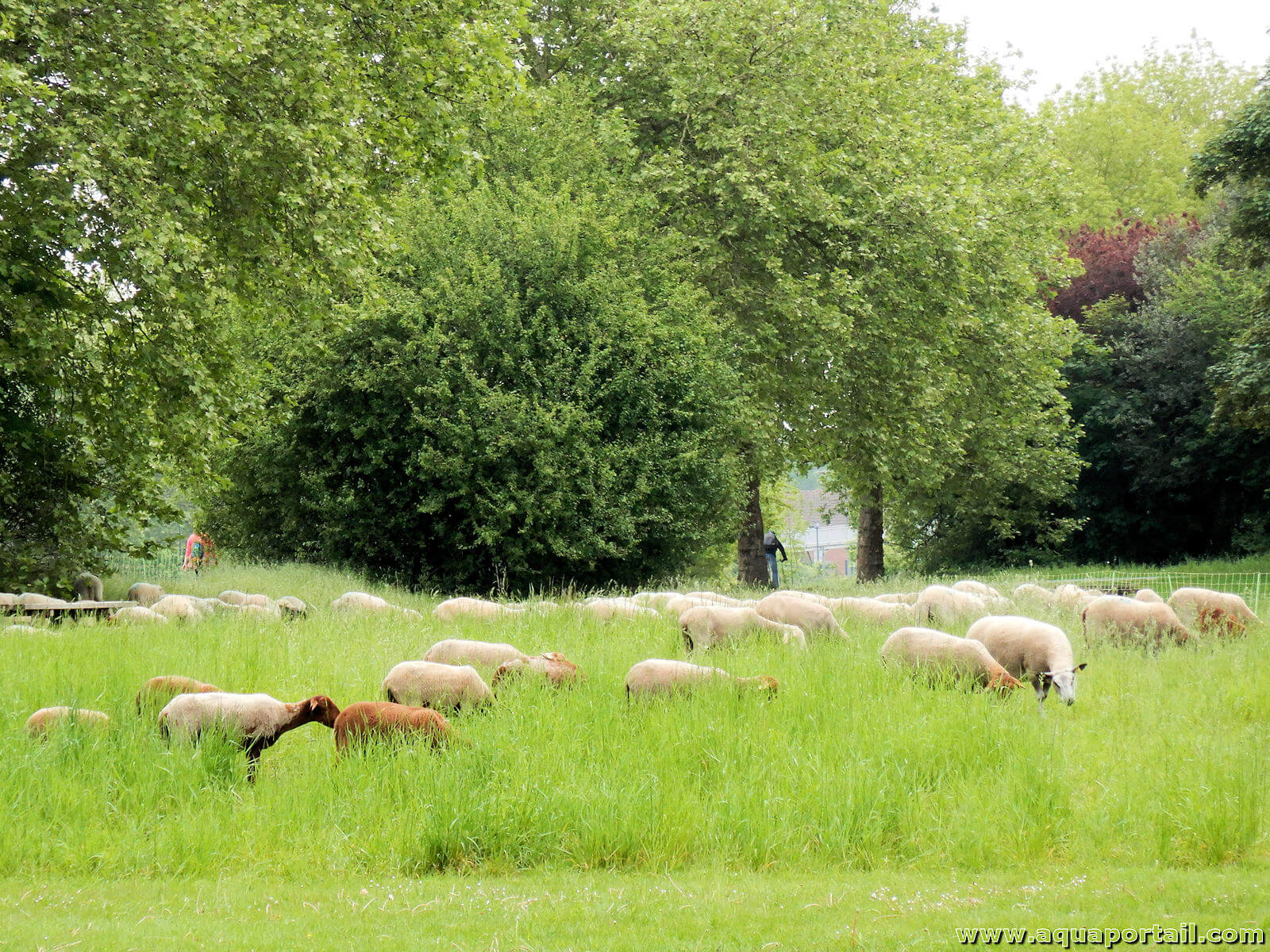
Eco-grazing is ecological grazing carried out with small ruminants on a meadow or green space in an urban environment.
