Extrafloral nectary
noun (n.)
Definition
An extrafloral nectary (or pseudonectary) is a nectar-secreting plant gland that develops outside flowers and is not directly involved in pollination. Extrafloral nectaries vary widely in shape, location, size, and structure, occurring on nearly all aerial plant organs, including leaves (foliar nectaries), petioles, stipules, cotyledons, fruits, and stems.
Extrafloral nectar on a leaf :

Extrafloral nectaries range from unicellular trichomes to complex cup-shaped structures that may or may not be vascularized.
Explanations
Unlike floral nectar produced by floral nectaries to attract pollinators, extrafloral nectar secreted outside the flower generally serves a defensive function. Extrafloral nectar attracts predatory arthropods that feed on both the nectar and herbivorous insects, effectively acting as "bodyguards" for the plant. Foraging by predatory insects, particularly certain species of ants and wasps, provides indirect defense against herbivores; in passionflowers (Passiflora), for example, extrafloral nectaries attract ants that deter herbivores and discourage Heliconius butterflies from laying eggs on the foliage. In many carnivorous plants, extrafloral nectaries also lure insect prey toward traps.
Extrafloral nectaries were initially thought to be simple excretory pores (hydathodes). Their defensive role was first recognized by Italian botanist Federico Delpino in his landmark 1886 monograph on plant-ant interactions, sparked by a scientific debate with his regular correspondent Charles Darwin. Darwin believed extrafloral nectaries were merely excretory organs, whereas Delpino demonstrated their defensive mutualistic function, particularly in myrmecophilous plants.
Extrafloral nectaries are documented in roughly 4,000 species of vascular plants spanning about 750 genera and over 100 families: 99.7% occur in flowering plants (angiosperms), accounting for 1.0% to 1.8% of all known angiosperm species.
Foliar nectaries have also been observed in roughly forty species of ferns across seven genera and four families within the orders Cyatheales and Polypodiales, whereas they are absent in bryophytes, gymnosperms, basal angiosperms, magnoliids, and members of the Apiales. Phylogenetic analyses and their broad distribution across vascular plants point to multiple independent evolutionary origins across at least 457 distinct lineages.
Synonyms, antonyms
Spanish translation: pseudonectario, nectario extrafloral
1 synonym (similar meaning) for "extrafloral nectary":
0 antonyms (opposite meaning).
Related words and expressions to EXTRAFLORAL NECTARY are directly connected by general or specific meaning.
The expression EXTRAFLORAL NECTARY is listed on page 1 of words starting with E in the dictionary glossary.
Related to "extrafloral nectary"
extracellular

In cell biology, extracellular indicates the exterior, or outside, of a cell's plasma membrane.
E=mc2

The formula E=mc2 (E = m. c²) is a mass-energy equivalence equation according to the theory of relativity developed by Albert Einstein. It expresses that...
Ecdysozoa

Ecdysozoans, of the superphylum Ecdysozoa, are protostomes undergoing ecdysis within Bilateria.
echinoderm
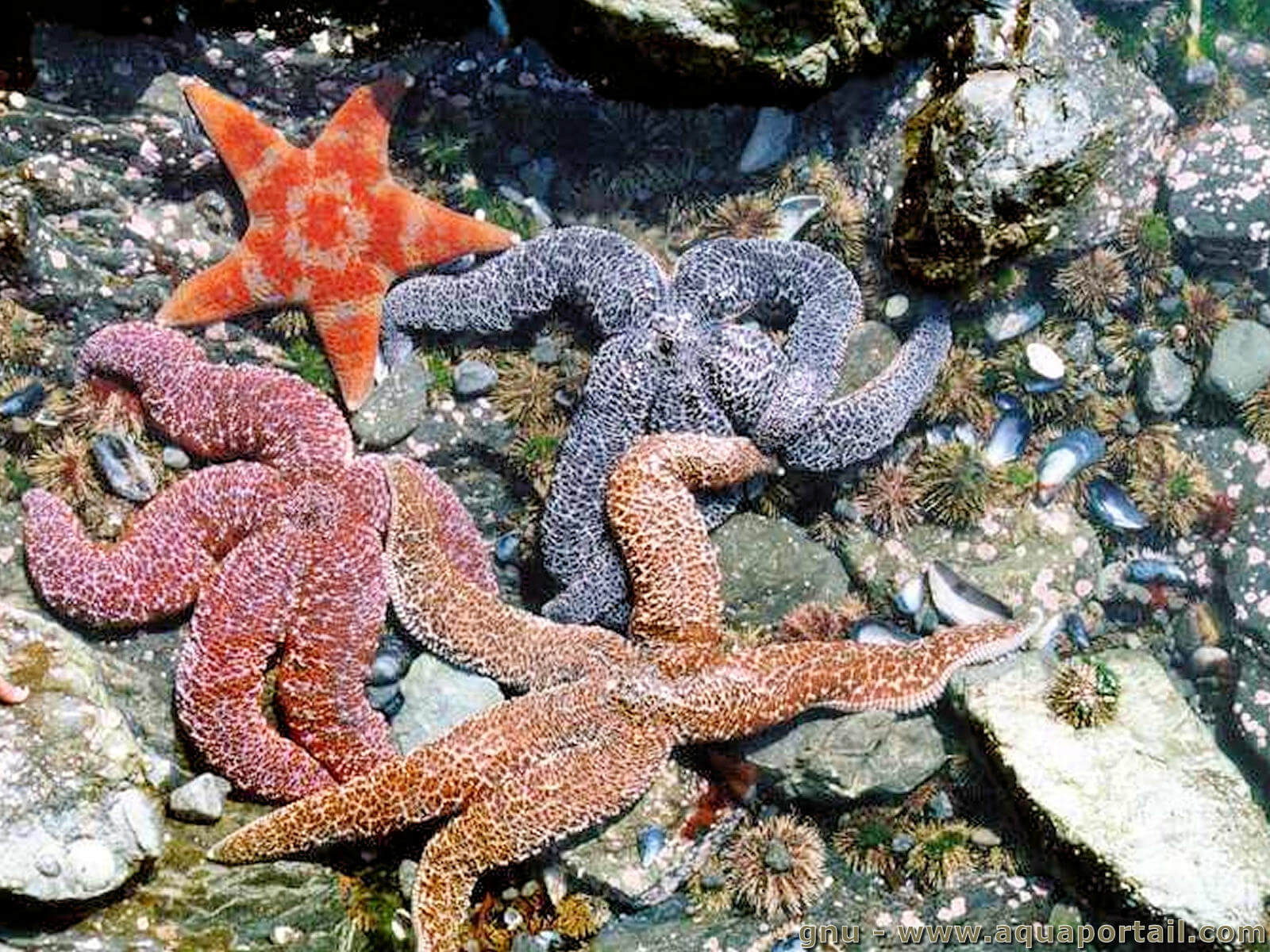
An echinoderm belongs to a lineage of invertebrates, the phylum Echinodermata, found exclusively in the world's oceans : starfish, brittle stars, sea urchins...
