Floral
adjective (adj.)
Definition
In botany, floral refers to anything closely associated with flora or an inflorescence, such as a flower or a flower scape. The floral parts of an angiosperm plant consist of the perianth, petals, sepals, tepals, and labellum, stamens, pistils, carpel, etc., which determine a floral formula. A flower may produce floral nectar.
The floral elements of an orchid:
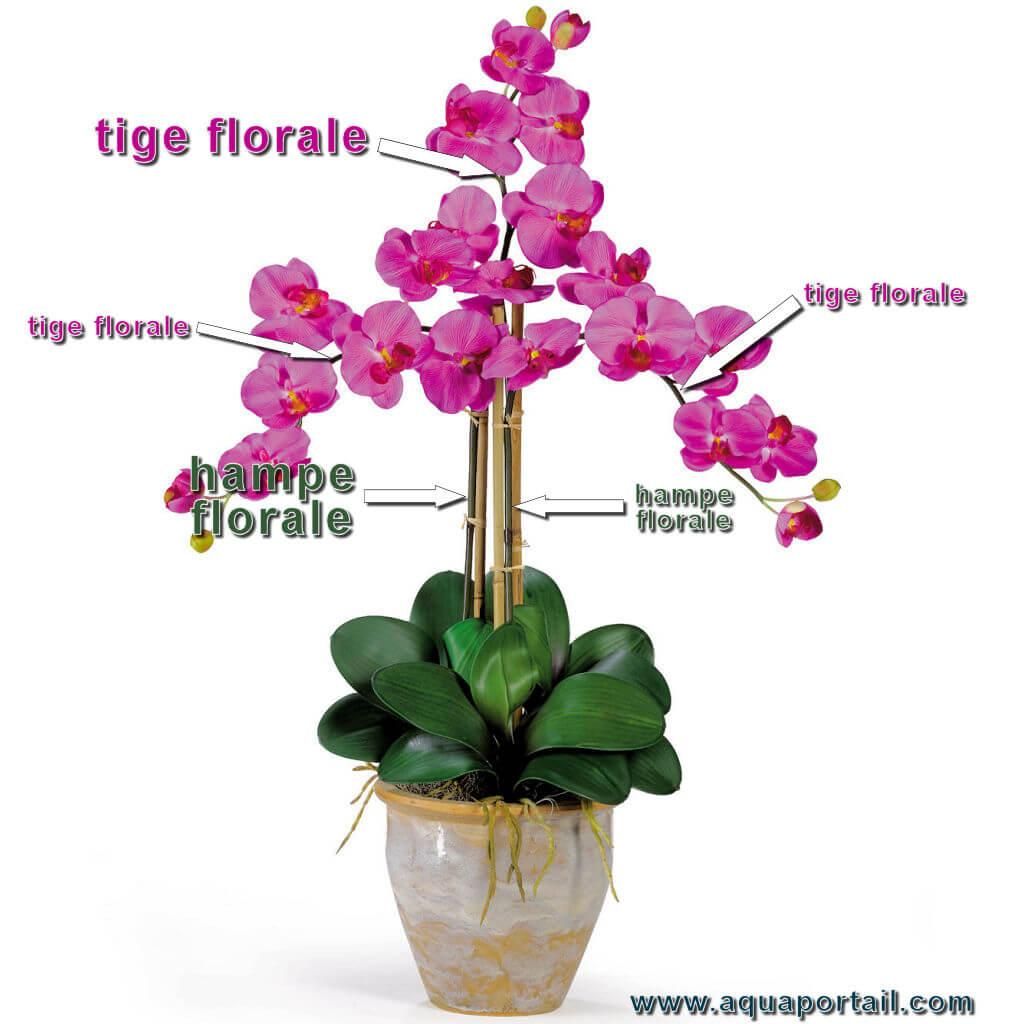
A flowering plant often features a flower scape supporting a flower stem in the case of inflorescence-bearing plants.
Explanations
Extrafloral refers to what lies outside the flower yet derives from it; for example, pseudonectaries produce extrafloral nectar.
A floriferous organism bears floral structures. A floral arrangement is simply a bouquet of flowers or cut flowers. The floral formula specifies the composition in petals, sepals, and tepals, alongside the floral diagram. The term is used in various expressions such as the floral limb receptacle, floral plane, floral receptacle...
In microbiology, the adjective floral is rarely used but may designate a zone harboring microbial flora. Floral position may be terminal, apical, etc.
✅ A floral plane identifies a botanical plane defined by the midrib of the floral bract, the floral peduncle, and the inflorescence axis.
Synonyms, antonyms
Spanish translation: floral
1 synonym (similar meaning) for "floral":
0 antonyms (opposite meaning).
Related words and expressions to FLORAL are directly connected by general or specific meaning.
The word FLORAL is listed on page 1 of words starting with F in the dictionary glossary.
Related to "floral"
extrafloral nectary

An extrafloral nectary (or pseudonectary) is a nectar-secreting plant gland that develops outside flowers and is not directly involved in pollination.
fabrication

Fabrication is the act or process of making, constructing, or inventing something. The manufacturing or fabrication process, whether artisanal or industrial...
fang
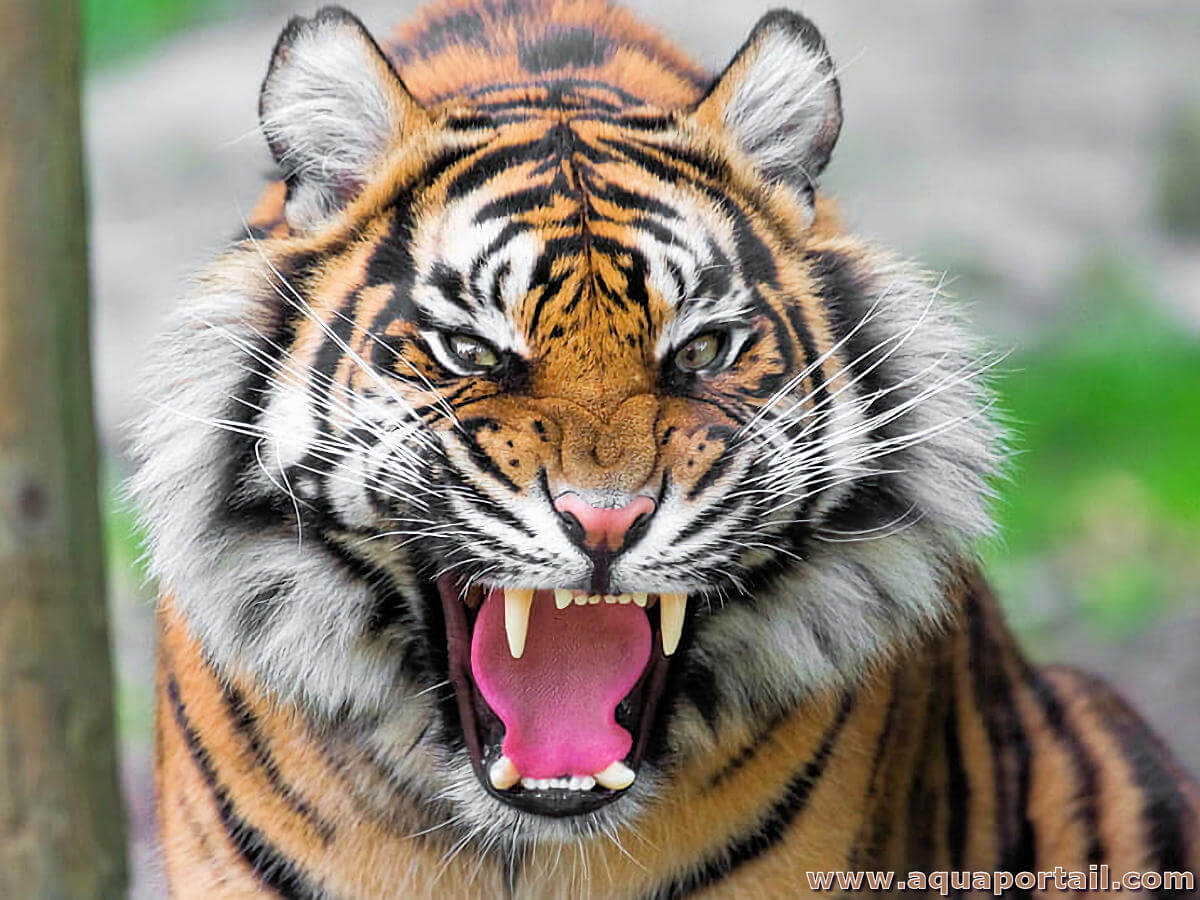
A fang is a long, pointed, and curved tooth. All animals equipped with fangs use them to bite. Whereas in mammals the upper-jaw fangs (called canines)...
fatty acids

Fatty acids are molecules possessing a long hydrophobic hydrocarbon chain and a highly hydrophilic carboxyl group at one of its ends.
