Morphology
noun (n.)
Definition
Morphology is the field dealing with form, shape (morph), external appearance, or the study thereof. Morphology defines the general appearance of an animal, plant, organism, or mineral based on its external structure, and describes its varieties, homologies, and evolutionary changes. It includes morphometric and biometric data of the species and complements physiology.Types of morphology :

In the 1940s, psychologist William H. Sheldon introduced the concept of different morphological types, or somatotypes. Morphology classifies bodies according to their muscle mass and fat-storage capacity. There are three morphological types: ectomorph, mesomorph, and endomorph.
Explanations
The scientific morphological study examines the relationships between the form of an animal or plant and its living environment, as well as the configuration and external structure of an organ or living organism.
The science associated with morphology is morphogenesis, alongside morphometrics. In geography, it is termed geomorphology, and in microbiology, it concerns micromorphology.
Morphology is the discipline responsible for studying the structure of an organism or system and their respective characteristics. It encompasses aspects of external appearance (shape, color, structure) through the theory of forms, as well as aspects of the internal structure of the organism (theory of organs) such as bones and organs. It is the branch of biology that studies the structure and form of organisms (theory of forms), their organs (theory of organs), and tissues (histology and anatomy), in contrast to physiology, which primarily studies the function of these structures.
Key concepts in morphology include:
- allometry
- body plan
- homology
- modularity
- symmetry: radial symmetry, bilateral symmetry, axial symmetry
- segmentation
Subdisciplines include:
- descriptive morphology (comparative anatomy)
- theoretical morphology (morphometrics)
- functional morphology
- evolutionary morphology
Morphology accompanies anatomical data:

Morphology, a branch of anatomy alongside osteology, encompassing zootomy and zoonomy, denotes externally visible traits without requiring internal anatomical data. A dog's morphology is characterized by numerous quantitative measurements, notably height at the withers, coat color, etc. These external features sometimes suffice to define a breed or variety.
The build and shape of an organism are primarily determined by its species and a given genotype (genetic makeup), and are thus fixed by inheritance (heredity). Genotype-dependent traits include, for example, double-flowered forms, monoecious or dioecious habit, and apple or pear fruit shapes.
However, the external structure (phenotype) and shape of an individual organism are not determined solely by its genotype, but are also influenced by its environment (biotope).
The phenotype is thus the sum of a species'properties: the outcome of the interaction between genotype and environment. For instance, long-term environmental influences also determine individual body size (dwarfism of plants in high mountains), animal growth rates, and the pattern and degree of tree branching. In the short term, light-green or yellow discoloration of leaves may occur due to nitrogen deficiency or after a night frost.
A central theme in biology is the link between form and function. The evolutionary study of this connection notably falls within evolutionary morphology and phylogeny. Morphological structures can often be viewed as adaptations: inherited adaptations to the species'habitat.
Traits that do not represent a clear adaptive fit arise from mutations without selective benefit (neutral theory of evolution). Conversely, mutations carrying a selective disadvantage disappear more or less rapidly from populations due to selection pressure.
In studying phylogenetic relationships, morphological traits have traditionally played a major role alongside knowledge of life cycles, ontogeny, and embryology.
Increasingly, however, biochemical characteristics, particularly genomic data, have come to play a predominant role. Nevertheless, in the case of fossil organisms, genomic traits play virtually no role and anatomo-morphological features remain decisive.
Eidonomy
Eidonomy is the study of the external appearance of an organism, its external morphology and phenotypes (phenotypic traits). It is therefore the opposite of anatomy, which refers to internal morphology.
Eidonomy is the scientific study of the visible outer parts of living beings. This contrasts with anatomy, which deals with hidden structures inside a living body.
In eidonomy, the shape, size, and color of whole organisms are examined, along with substructures such as body appendages, shell formations, segmentation, body openings, and the like.
Although dominant in the early history of biology, eidonomy is little studied today except for morphoses such as anemomorphosis and photomorphosis in ecomorphology, largely because it is confounded by convergent evolution. It therefore yields less novel information about organisms than anatomy, and consequently the external appearance of life forms is usually investigated within broader morphological studies, such as phylogenetic research.
Eidonomy thus helps establish life-form types, as these characteristics are generally closely tied to organisms'lifestyles. In comparative morphology, it provides insight into homologies and evolutionary phylogenetics.
In modern science, eidonomy is a fairly static field, as anatomy typically offers greater insight and discovery potential. However, it remains important for studying inherited traits in genetics, because eidonomic traits such as eye color, hair color, and skin color are easily traced and mapped to specific gene groups. It can also be valuable for assessing speciation and defining new species.
In linguistics
Morphology is the branch of linguistics that studies the structure, form, and internal organization of words. It examines how words are formed from smaller meaningful units called morphemes, which include roots, prefixes, and suffixes. Morphology also explores how these elements combine to convey meaning, as well as the grammatical relationships between words in a language.
Synonyms, antonyms
Spanish translation: morfología
4 synonyms (similar meaning) for "morphology":
- eidonomy
- micromorphology
- morph
- somatotype
1 antonym (opposite meaning):
Related words and expressions to MORPHOLOGY are directly connected by general or specific meaning.
The word MORPHOLOGY is listed on page 1 of words starting with M in the dictionary glossary.
Related to "morphology"
apomorphic

An apomorphic character, as opposed to plesiomorphic, distinguishes an organism or taxon from others sharing the same ancestor.
autapomorphy

In phylogenetic classification, an autapomorphy is a distinctive anatomical characteristic, known as a derived character unique to a given terminal group...
ceratomorph
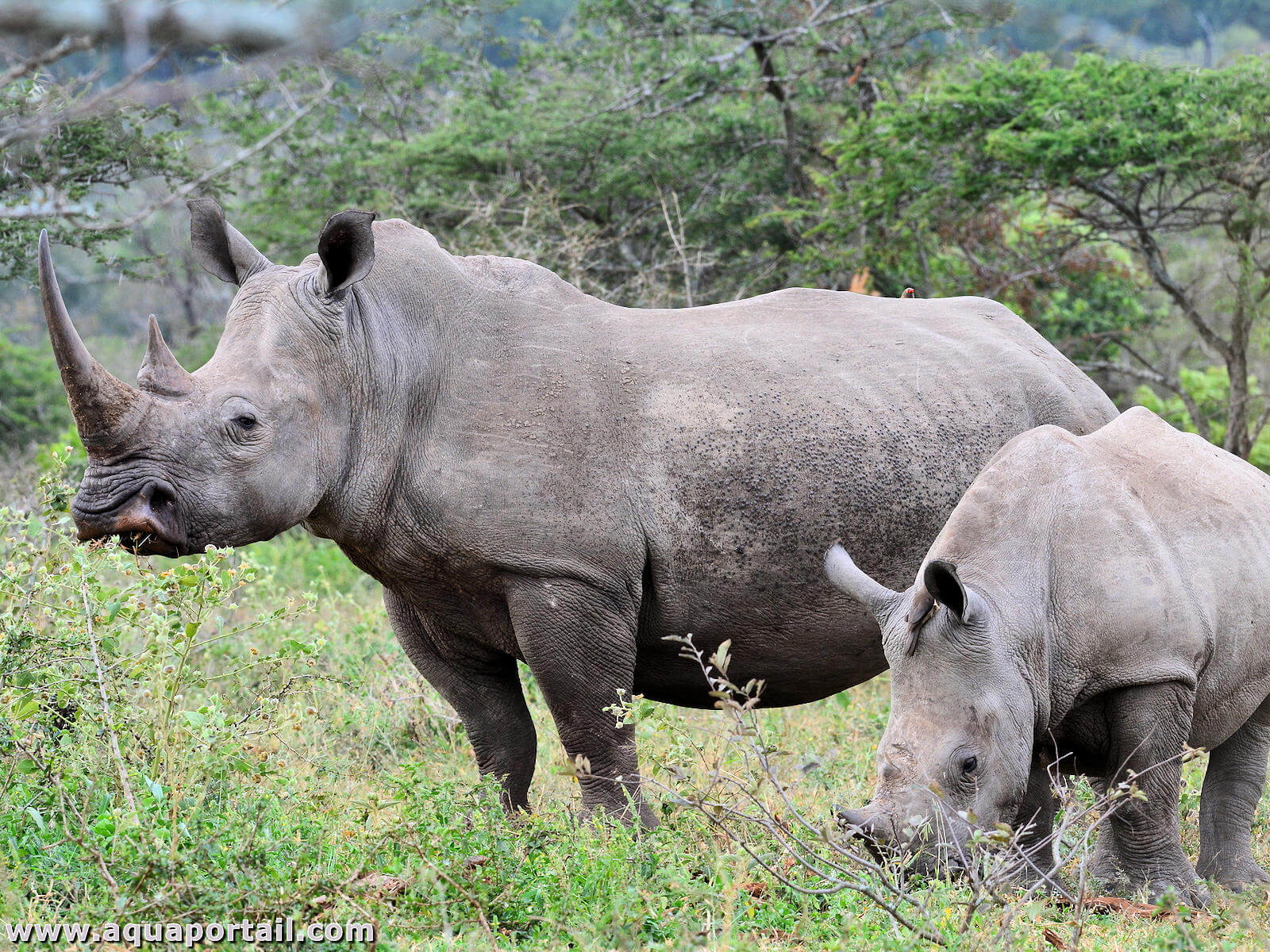
A ceratomorph is a species of the suborder Ceratomorpha, which comprises tapirs and rhinoceroses among extant members of the order Perissodactyla.
ecophysiology
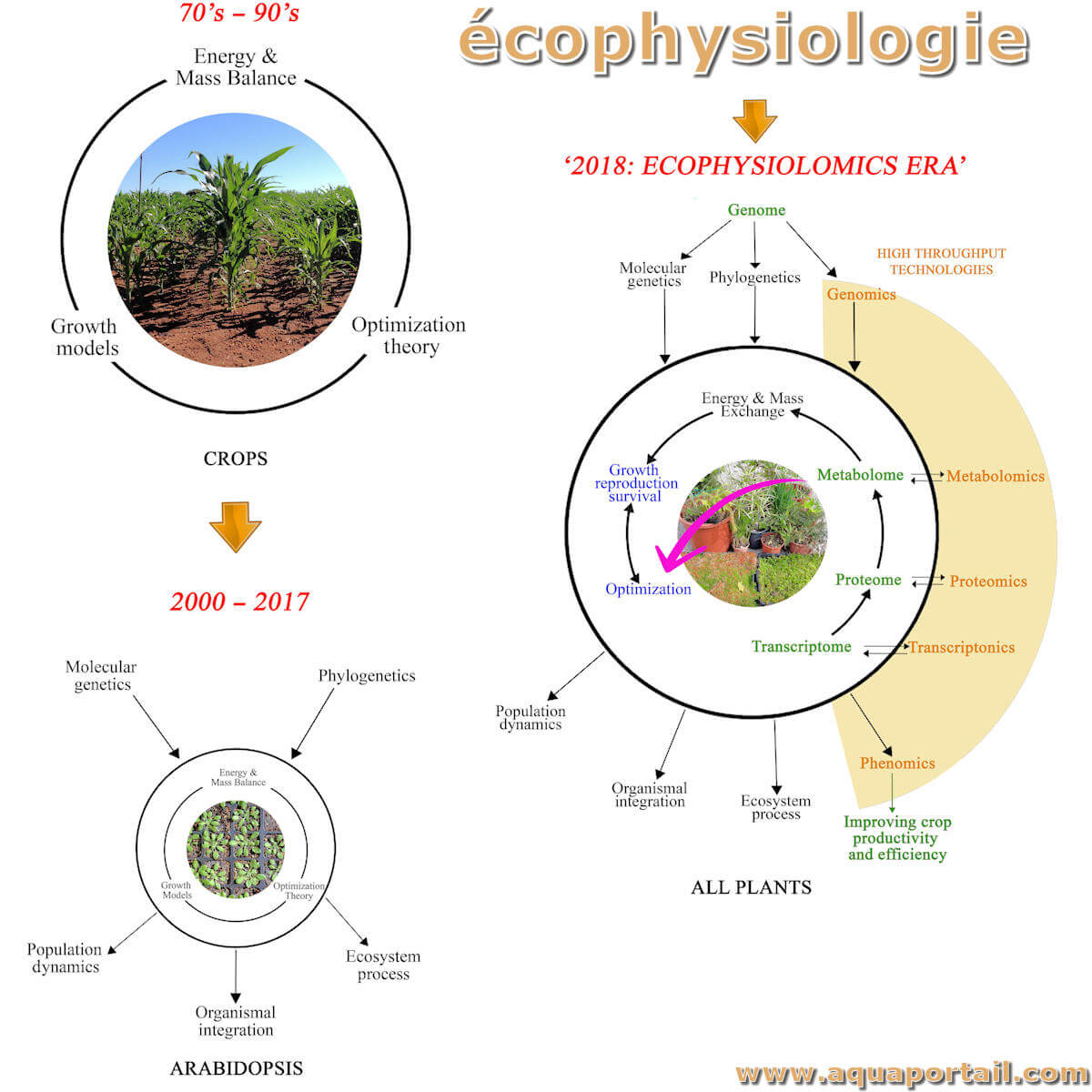
Ecophysiology is the study of the interrelationship between an organism's normal physical function and its environment.
Simple summary
Morphology is the scientific branch studying the form, structure, and physical characteristics of organisms, including their external appearance and the organization of their internal structures. It examines how organisms are shaped, how their various anatomical features are arranged, and how these features relate to their function and evolution.
