Dioecious
adjective (adj.)
Definition
An organism is dioecious when male and female reproductive organs are borne on separate individuals; thus, dioecious organisms are termed unisexual. Dioecious reproduction is consequently biparental reproduction, contrasting with monoecious and especially hermaphroditic species.
In zoology, a dioecious species may be contrasted with a hermaphroditic species, meaning the individual is of a single sex; in this case, the synonym gonochoric is more commonly used. The majority of warm-blooded animals are dioecious or gonochoric.
In botany, dioecious plants have male and female reproductive structures on separate plants. The meaning of male and female in the context of plants differs from its usage in animal groups. Dioecy, the condition of being a dioecious organism, occurs across a wide variety of plant families, though it is more common in woody plants and heterotrophic species.
The toxic plant Bryonia dioica is a strictly dioecious plant:

The white bryony Bryonia dioica is a representative species of dioecy.
Explanations
In other terms, a dioecious plant is one whose staminate (male) flowers and pistillate (female) flowers occur on two separate individuals. However, several variants exist:
- strict dioecy (dioecious plant): each individual is strictly unisexual, bearing either exclusively male flowers or exclusively female flowers
- androdioecy, or androdioecious plant: one individual bears only male flowers, while another bears hermaphroditic flowers
- gynodioecy, or gynodioecious plant: one individual bears only female flowers, while another bears hermaphroditic flowers
- trioecy, or trioecious plant: some individuals are hermaphroditic, others bear only female flowers, and still others bear only male flowers
In mycology, monoecy and dioecy in fungi refer to the roles of donor and recipient partners in reproduction, where a nucleus is transferred from one haploid hypha to another, and the two nuclei then present in the same cell fuse via karyogamy to form a zygote. The definition of dioecy avoids any reference to male and female reproductive organs, which are rare in fungi. An individual of a dioecious fungal species not only requires a partner for sexual reproduction, but performs only one nuclear transfer role, either donor or recipient. Certain monoecious fungal species can perform both roles, yet may not be self-compatible.
✅ A 1995 study found that approximately 6% of angiosperm species are dioecious and that 7% of genera contain some dioecious species.
✅ An autoecious parasite is also autoxenous. A pseudautoecious organism is dioecious, though occasionally autoecious. An autoxenous (autoecious) organism describes a parasite that develops at the expense of a single host. An autoicous organism refers to a moss gametophyte producing antheridia and archegonia on different branches belonging to the same individual.
Synonyms, antonyms
Spanish translation: dioico
1 synonym (similar meaning) for "dioecious":
2 antonyms (opposite meaning):
Related words and expressions to DIOECIOUS are directly connected by general or specific meaning.
The word DIOECIOUS is listed on page 1 of words starting with D in the dictionary glossary.
Related to "dioecious"
precocious

What is precocious occurs before a usual time, date, or age, done ahead of the scheduled time.
dale

A dale is a small valley or glen that does not (or no longer) contains a watercourse. The concave hollowed space of a dale is not large enough to build...
daphnia
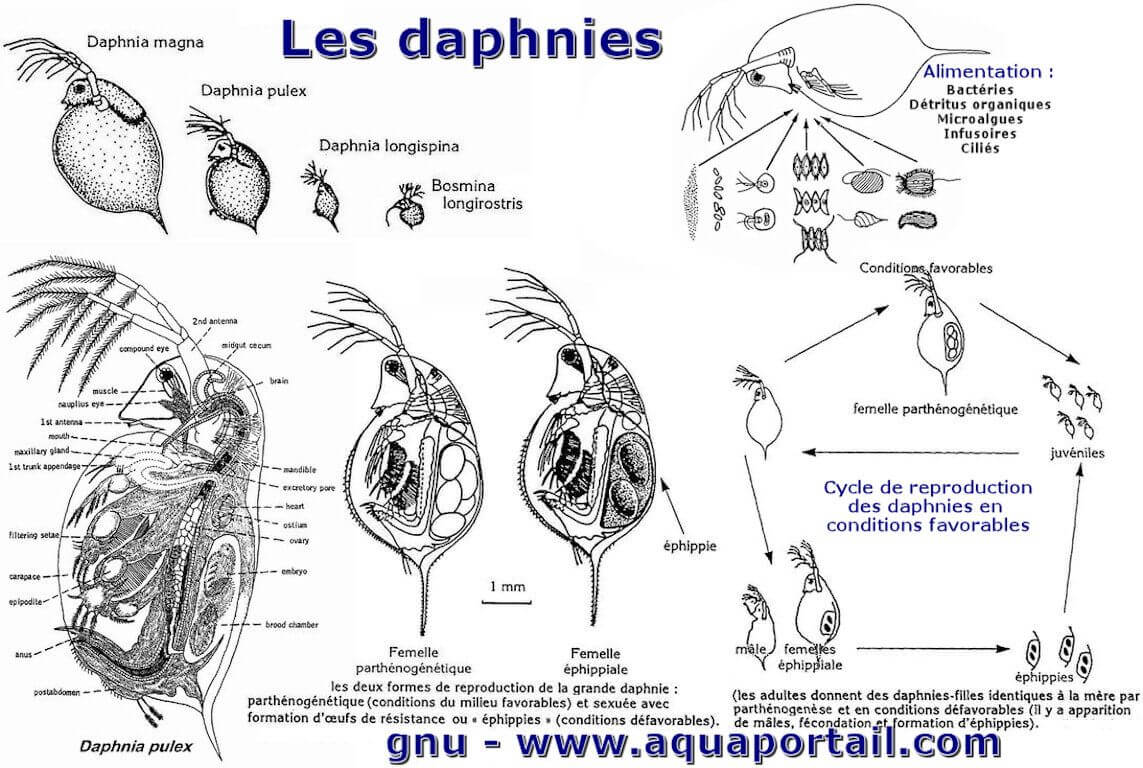
Daphnia is a planktonic branchiopod crustacean of the family Daphniidae, forming a dominant portion of freshwater plankton.
dawn

Dawn marks the transition between night and day, when the sky brightens and morning breaks in the East.
