Zygote
noun (n.)
Definition
The zygote is the diploid cell resulting from the fusion of two haploid gametes, one male and the other female. It is the egg at the earliest stage of development immediately following fertilization. A zygote is the fertilized egg cell resulting from the fusion of a female gamete (ovum, oocyte) and a male gamete (spermatozoon, antherozoid).
Fertilization produces a zygote:

The zygote, a fertilized egg cell, results from the fertilization of an ovum by a spermatozoon. Cell division of the zygote gives rise to the embryo, which transforms into a morula and then into a blastocyst.
Explanations
The zygote occurs in the sexual reproduction of organisms (animals, plants, fungi, and certain unicellular eukaryotes). In eukaryotes, the gametes involved in sexual reproduction are the female ovum and the male spermatozoon.
This fertilized oocyte consists of a single cell, and this single diploid cell results from the fertilization of the ovum by the spermatozoon (gametes). It is a cell with male and female pronuclei or with a nucleus containing 2n chromosomes.
In biology, the cell bears the name "zygote" until the first division is complete, after which it becomes an embryo.
See also homozygote, heterozygote, hemizygote, monozygote, dizygote, planozygote, sporozygote, merozygote, azygote, hypnozygote, coenozygote...
Process
Gamete fusion is followed by nuclear fusion, meaning the zygote nucleus possesses two complete sets of genetic determinants (chromosomes), each originating from a gamete nucleus. Its cytoplasm and organelles are always of maternal origin when derived from the ovum.
The resulting zygote undergoes a process called cleavage, in which several consecutive mitoses take place and a mass of embryonic cells, the blastomeres, composing the morula, which will subsequently transform into a blastula, originates. All animals experience this phenomenon. The ovum, and subsequently the zygote, has a specific polarity, distinguishing the germinal or animal pole, where the cell nucleus is located and most metabolic activity occurs, from the vegetal pole, which is the region where nutritive reserves or yolk reserves accumulate.
Cleavage
About thirty hours after fertilization, the zygote undergoes a series of mitotic divisions leading to a rapid increase in the number of cells composing it, called blastomeres. First, the zygote divides into two blastomeres, then into 4, into 8, and so on during the passage of the zygote along the corresponding Fallopian tube into the uterus. The zygote remains within the zona pellucida. Divisions beyond 12 cells give rise to the morula.
Genetic explanation
Zygosity refers to the genetic state of a zygote. In genetics, zygosity describes the similarity or dissimilarity of DNA between homologous chromosomes at a specific allelic position or gene.
The terms homozygosity, heterozygosity, and hemizygosity are used to simplify the description of a diploid organism's genotype at a single genetic locus. At a given gene or position along a chromosome (a locus), the DNA sequence may vary among individuals in the population. Variable DNA segments are called alleles, and diploid organisms generally have two alleles at each locus, one allele for each of the two homologous chromosomes. Simply put, homozygous describes two identical alleles or DNA sequences at a locus, heterozygous describes two different alleles at the same locus, and hemizygous describes the presence of only a single copy of the gene in an otherwise diploid organism.
Zygosity is also used to describe the genetic state of the zygote(s) from which twins emerge, where it refers to the similarity or dissimilarity of the twins' DNA. Identical twins are monozygotic - they develop from one zygote (one fertilized egg that develops into two embryos). Fraternal twins are dizygotic - they develop separately from two zygotes (two fertilized eggs).
Sporozygote
A sporozygote is a zygote that is released and functions like a spore by germinating directly. Coalescence and germination take place.
In some cases, the sporozygote may be released from the carpogonium envelope and develop into an independent tetrasporophyte, whereas in other species (even within the same genus) it may transform in situ into a tetrasporocyst.
Initially, the difference between a zygote and a spore lies in the fact that a zygote is a fertilized ovum, whereas a spore is a reproductive particle, generally a single cell, released by a fungus, alga, or plant that can germinate into a new organism. With the sporozygote, both elements are combined across two phases.
Synonyms, antonyms
Spanish translation: cigoto
9 synonyms (similar meaning) for "zygote":
- dizygote
- fertilized egg cell
- fertilized ovum
- heterozygote
- homozygote
- merozygote
- monozygote
- planozygote
- sporozygote
0 antonyms (opposite meaning).
Related words and expressions to ZYGOTE are directly connected by general or specific meaning.
The word ZYGOTE is listed on page 1 of words starting with Z in the dictionary glossary.
Related to "zygote"
zygotospore

A zygotospore is a spore resulting directly from the division of the zygote (as in Porphyra).
zeaxanthin
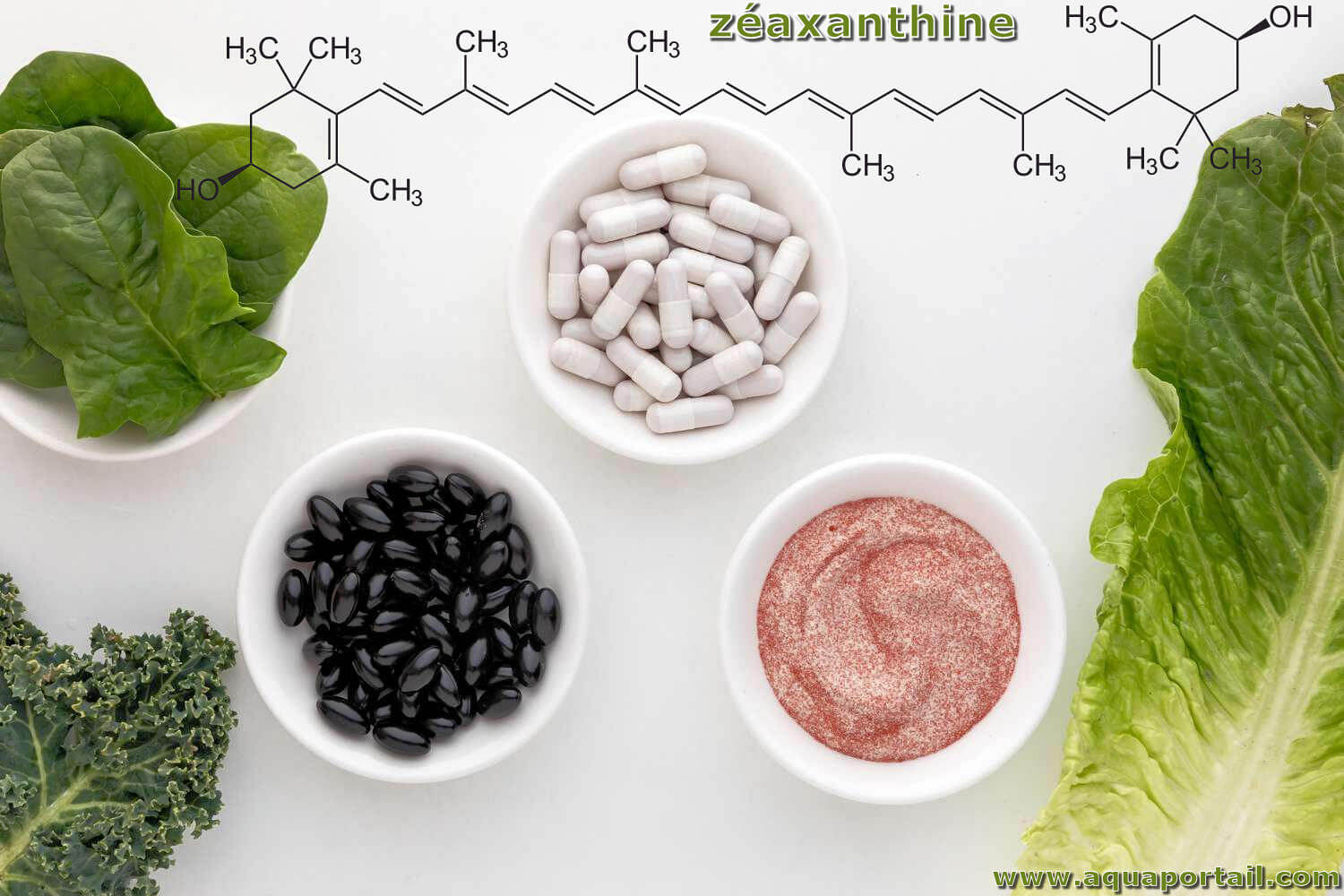
Zeaxanthin is a carotenoid pigment of certain algae such as red algae, cryptophytes, and others.
ZEOvit method
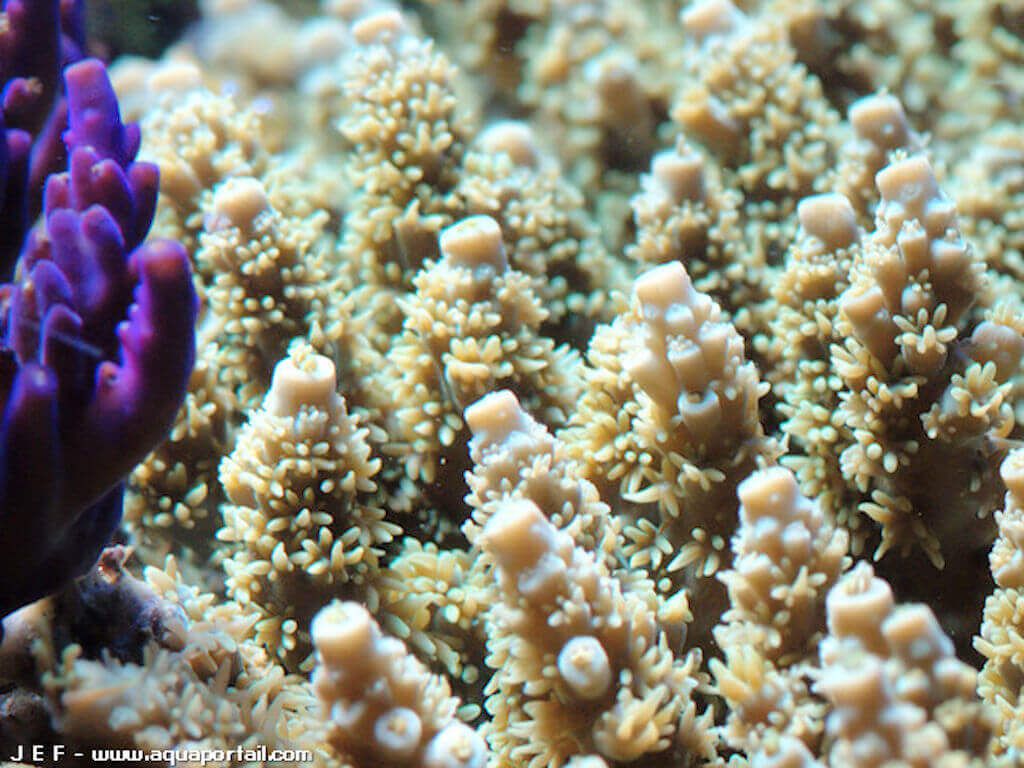
In marine aquariology, the ZEOvit method is a form of saltwater aquarium management aimed at enhancing the coloration of stony corals, though without using...
zoanthid

A zoanthid (or zoantharian) is a small, soft-bodied anthozoan lacking a calcareous skeleton, resembling a sea anemone, either solitary or colonial.
Simple summary
A zygote is the initial cell called a fertilized egg formed when a male gamete fertilizes a female gamete, marking the beginning of the development of a new organism. This single cell contains genetic material from both parents (male and female) and undergoes numerous divisions, eventually developing into a multicellular organism.
